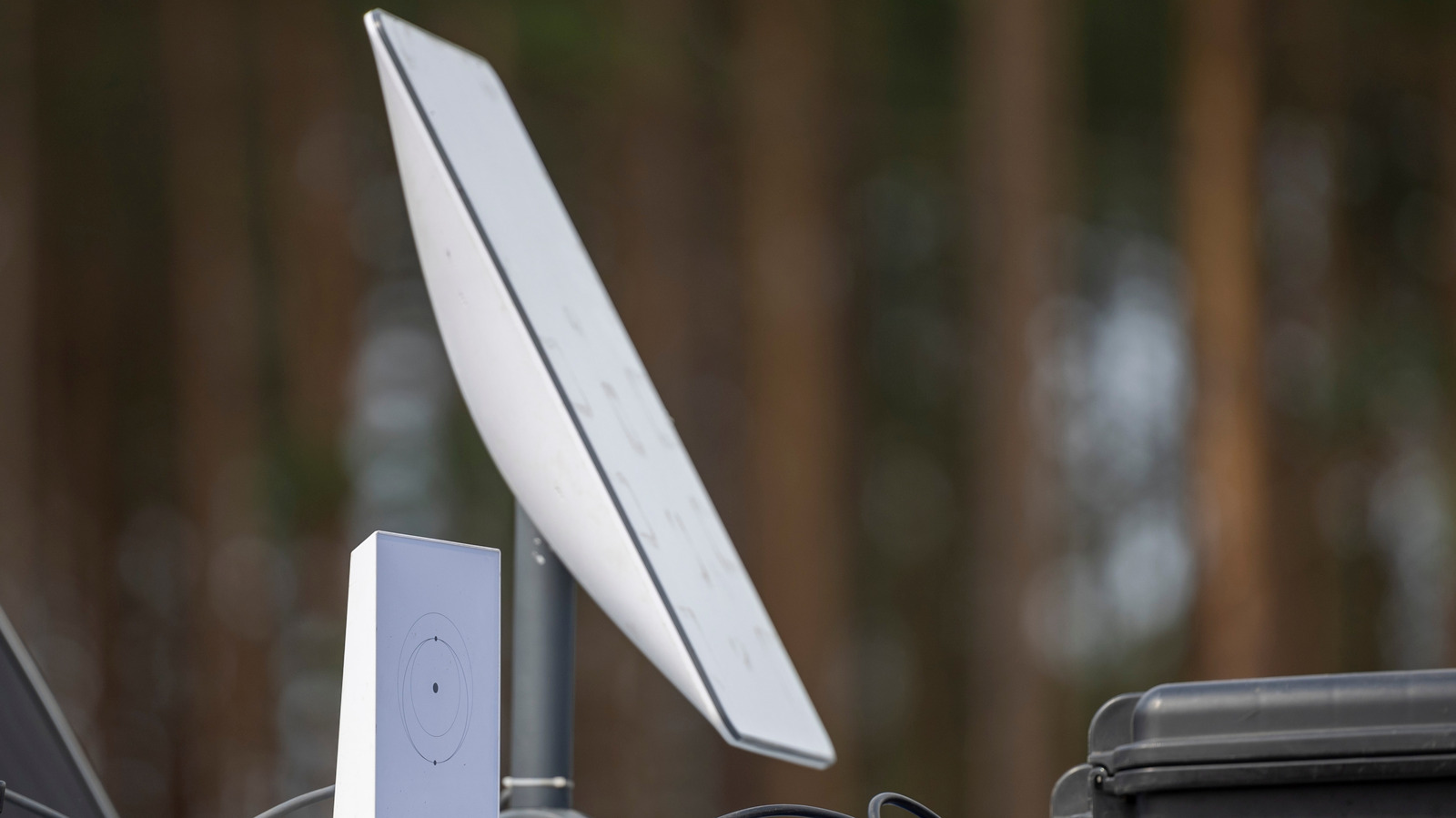
It's debatable as to whether Starlink markets its services properly. Anyone who's seen some of the company's ads probably understands the basics, namely that, regardless of which Starlink setup you think best suits you, you're getting the internet via a satellite dish instead of a cable or phone line. Also, if you choose the right plan, like one of the wildly different $55 plans, you can get internet access virtually anywhere in the world. However, until you dig a little deeper, many details remain mysterious, such as important specs like expected speed.
One of those gaps is why you might want satellite internet when you're not roaming or otherwise isolated. In a country like the US, UK or Canada, it's rare to find a community that doesn't have at least some basic landline option. Given that Starlink can get quite expensive with its equipment costs, there has to be serious incentive to sign up.
For some consumers, there is, and it's an adaptability that traditional internet lacks. It's baked into the nature of Starlink, and it could save your bacon if you value resiliency over raw speed. There are some important exceptions, which we'll get into.
Starlink's network is based around clusters of small satellites inserted into low Earth orbit (LEO). As of October 2026, there were over 11,000 working satellites, flying at altitudes ranging from about 205 to 311 miles (330 to nearly 500 kilometers). SpaceX continues to launch more, whether to expand the network or replace malfunctioning units.
Source link