When I started hosting a podcast this year, I assumed the guests whose message would travel furthest would be the ones with the biggest followings. That’s how I’d been taught to think about talent for 20 years, since the MySpace days, but it turned out to be the other way round.
One clip of the Irish Nigerian author Emma Dabiri, explaining with care how the language of race was invented, passed a million views on its own. Another of the most shared conversations was with Clare Rewcastle Brown, an unassuming British journalist who broke the 1MDB scandal in Malaysia from a spare room with a blog and a shortwave radio and watched the prime minister at the center of it end up in prison.
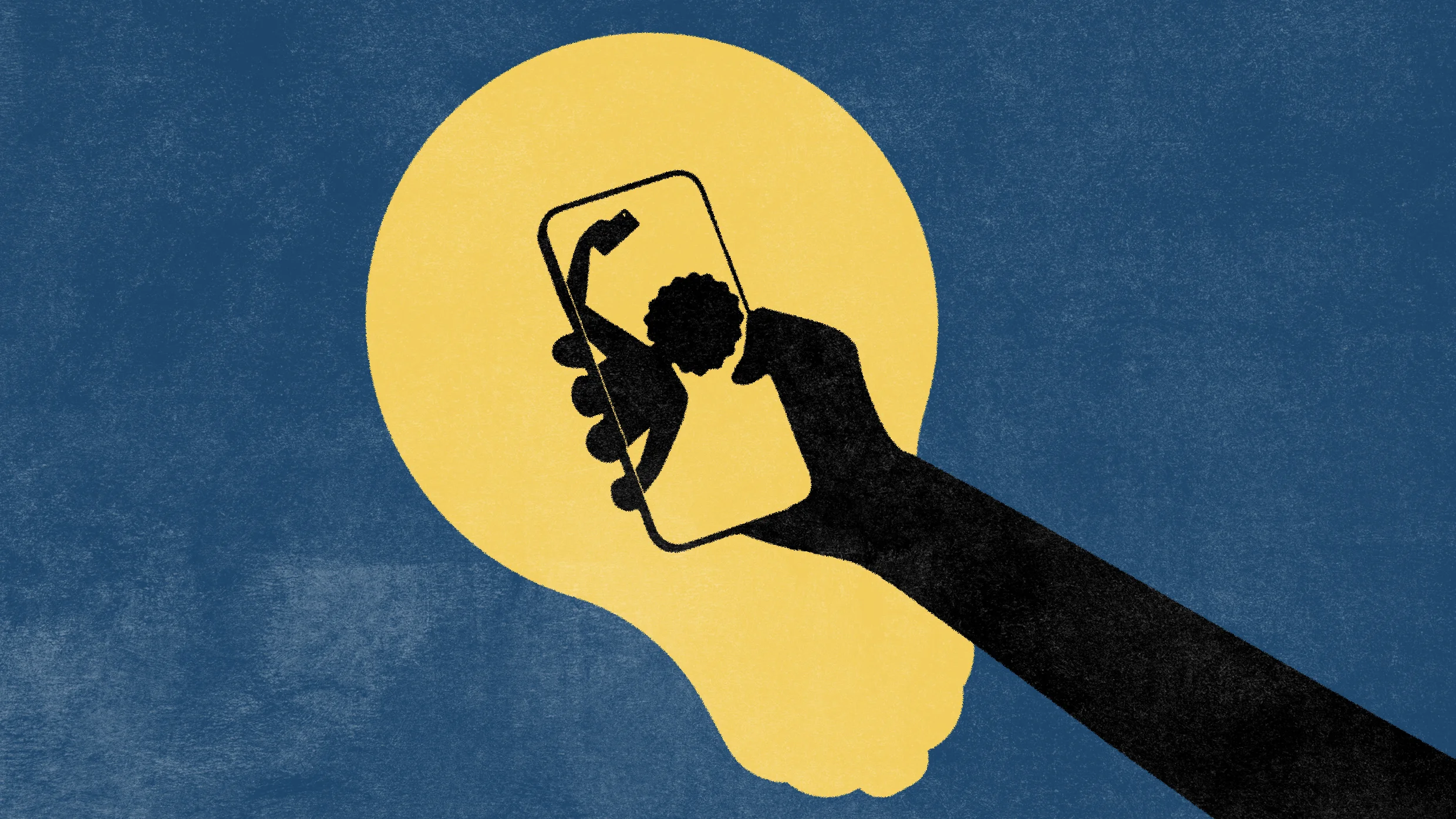
Neither woman is trying to be famous, and that seems to be the point. After a decade of feeds tuned to whoever is best at being watched, audiences are hungry for people who actually know things. I think it’s a direct reaction to how much of what we scroll past now is confident, polished, and empty. The people who have spent decades on the slow work are suddenly the ones traveling fastest, and that should change who brands pay to speak for them.
None of this is an argument against the creator economy, which has become the engine room of modern marketing . Unilever’s chief executive talks about building an “army of creators,” and the company now works with close to 300,000 of them, up from around 10,000 two years ago.
Source link