Elon Musk has made no secret of his hopes of turning SpaceX into a viable competitor to mobile companies like Verizon and AT&T. But with the Democrats’ resounding victory in the 2026 midterm elections, that plan is suddenly thrown into question.
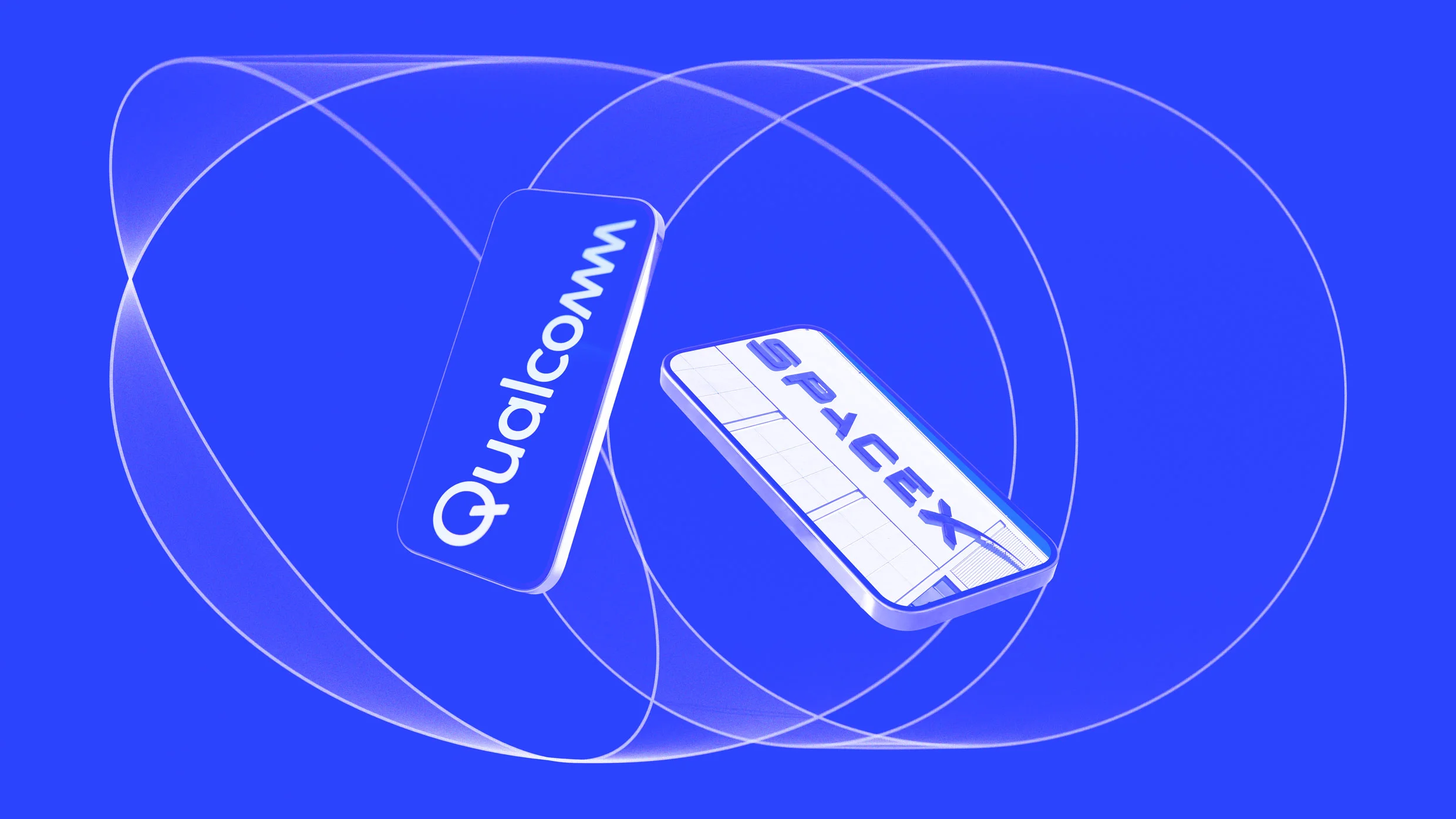
SpaceX has been busy over the past month making deals and positioning itself to step into the mobile space. In October, it bought an 800 MHz spectrum portfolio from private equity firm Grain Management, which had acquired it from T-Mobile following its 2020 merger with Sprint. And earlier this week, SpaceX struck a deal with Qualcomm to build out base stations for its planned mobile carrier. Taken together, those moves bring the company closer to entering the market.
But to launch the new division, SpaceX will also have to jump through legislative hoops, something that could be significantly more challenging with the Democrats in charge.
Several Democratic candidates made it clear they planned to target Musk—who spent $500 million trying to stop the blue wave—should the party gain a majority in the midterms.
Some lawmakers want to explore potential conflicts of interest in the billions of dollars Musk’s companies receive in federal contracts and subsidies. Others have questions about his possible role in throttling internet access to Ukraine’s army. And several want to do a deep dive into Musk’s role at DOGE (the Department of Government Efficiency that he spearheaded)—which accessed tremendous amounts of sensitive data.
Last December, Democratic Senator Elizabeth Warren of Massachusetts and Democratic Representative Greg Casar of Texas began warning about SpaceX’s possible entry into the mobile market amid a proposed deal to acquire some wireless spectrum licenses from EchoStar.
Source link