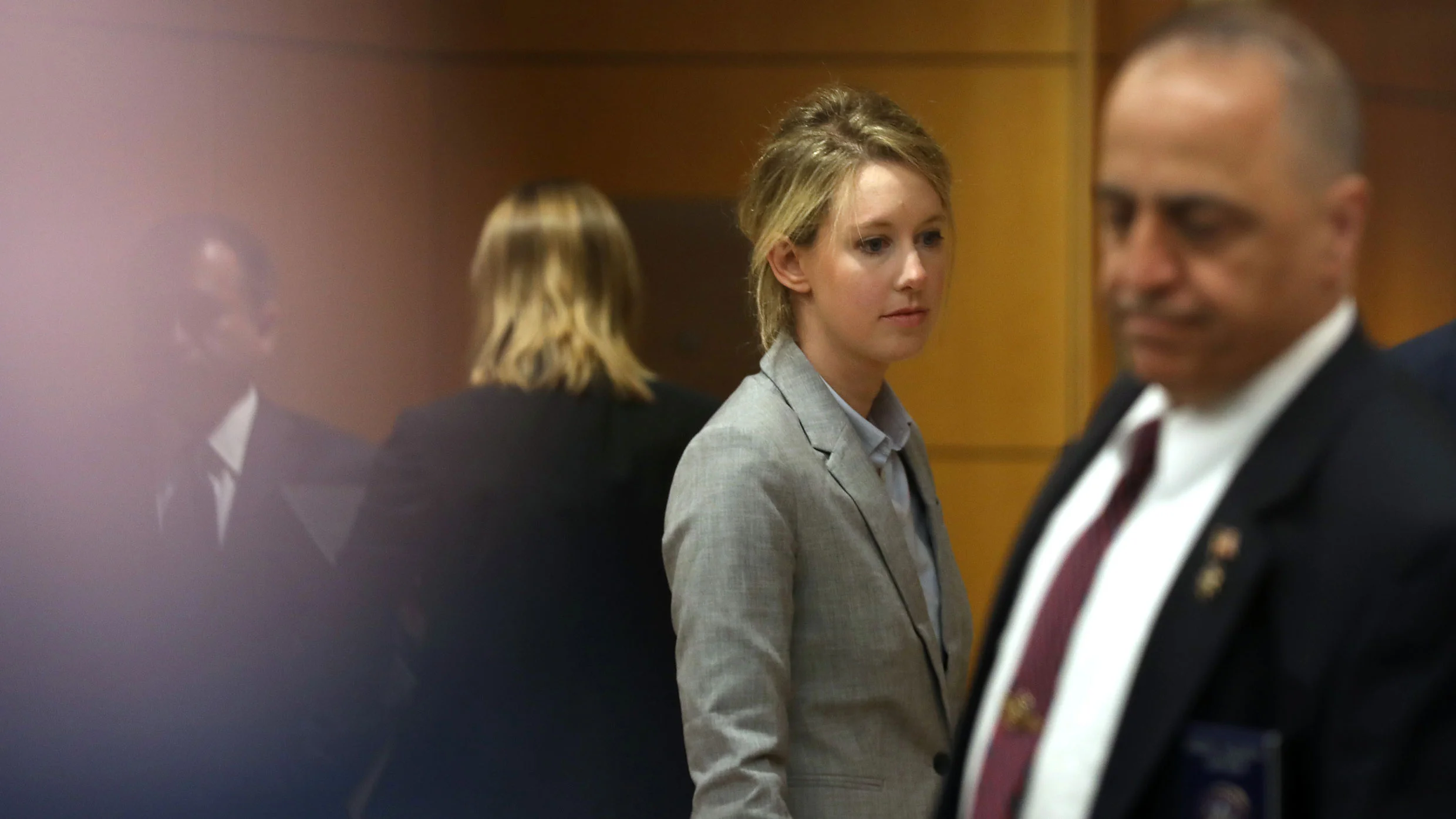
Thirty-four days before reporting to federal prison, Elizabeth Holmes opened her private life to a film crew. Nathan Fielder and Lance Oppenheim kept filming for about three years, and the result, You Can See Everything, opened in theaters this month to huge box office and wide acclaim. The title echoes a scene in which Holmes and her partner, Billy Evans, promise the camera it can indeed see everything.
The film invites a true-crime reading. But as someone who builds agentic customer experiences for brands, I see a story about how trust is won and what happens when the product can’t justify it. Theranos was a brand long before it had a working product, and every signal it sent said the same thing: Trust us. The product couldn’t back any of it up. That should worry anyone writing a brand promise right now, especially one about artificial intelligence.
Theranos collected trust the way some brands collect logos. In 2014, Fortune described its board as three former cabinet secretaries, two former senators, a retired Navy admiral, and a retired Marine general. Holmes wore the black turtleneck and called her invention the iPod of health care, and the Steve Jobs comparisons followed.
Each of those signals lent credibility. None of them created it. Borrowed trust works like a loan; the product eventually has to repay it, and when it can’t, the brand pays. Any brand that leans on a famous partner, endorser, or technology name to carry a claim should ask what happens the day the product gets examined on its own.
Source link