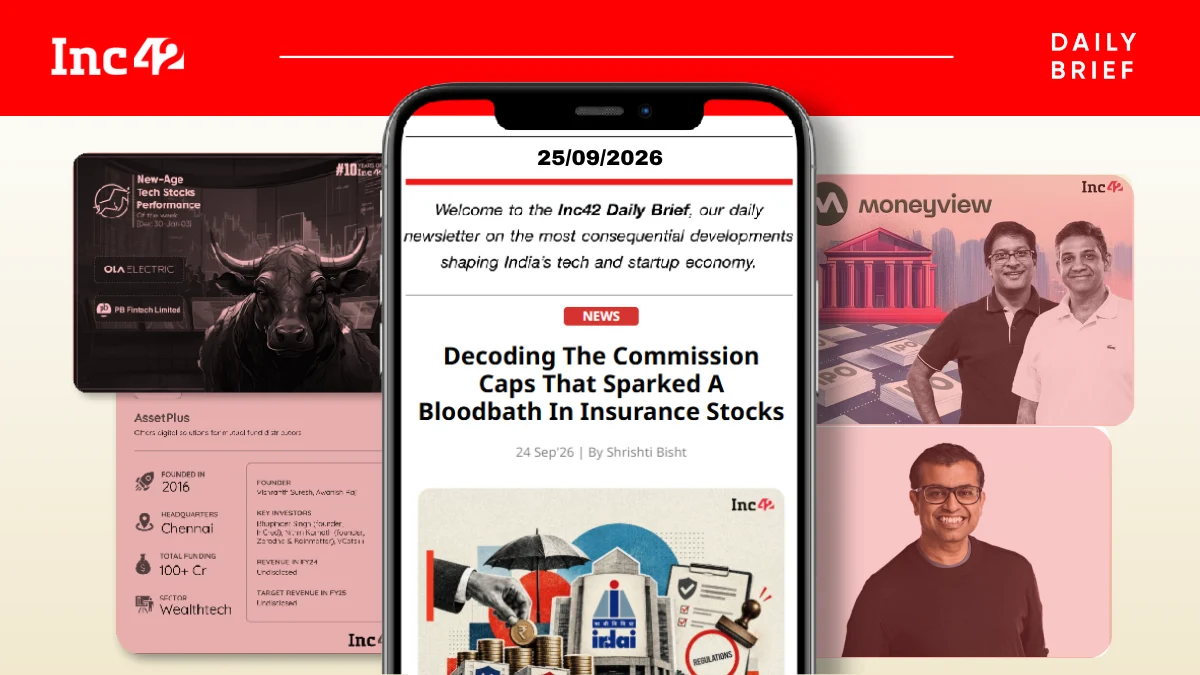
The IRDAI has proposed a radical overhaul of the insurance tech sector. The draft norms threaten to dismantle lucrative payout structures, impose commission caps and introduce tighter expense limits for insurance distributors. Can the sector adapt to this new regime?
The Commission Reset: IRDAI’s consultation paper seeks to re-introduce product-level commission ceilings. Under the proposed framework, mandatory or near-mandatory products will attract nil or low commissions for IDEs (such as PB Fintech and Turtlemint’s insurtech arm), while products requiring greater selling and servicing efforts will have 15% cap.
The IRDAI Eclipse: The regulator has also proposed lowering EoM limits for life and general insurers, while mandating cost audits for all IDEs above ₹100 Cr revenue. The draft norms also ban compulsory loan-insurance bundling, restrict employee incentives and introduce a three-tier distribution structure, with clawback provisions, to curb misselling.
Insurtechs On The Edge: For starters, the proposed caps could threaten the high upfront commissions of aggregators, which in turn could take a toll on their user acquisition strategies. Unbundling insurance from loans could also potentially lead to revenue compression across various categories, while pushing competition toward service, technology and product discovery.
Markets React Sharply: The draft norms resulted in a major sell-off. PB Fintech shares crashed 36% to ₹1,210, while Turtlemint stock tanked 20% to hit an all-time low of ₹109.1. Brokerages flagged severe margin compression. While Jefferies projected a 10-12% earnings cuts for distributors, Citi warned of 70–90% economics compression in high-margin categories like credit-linked insurance.
What’s Next? With stakeholder comments due by October 25, final rules may differ from current proposals.
Source link