
The great Inca Empire is survived by its legacy in economics, science, art, religion, and—an add-on to the last two—sacrificial rituals. According to a new study, these holy proceedings also included llamas and guinea pigs.
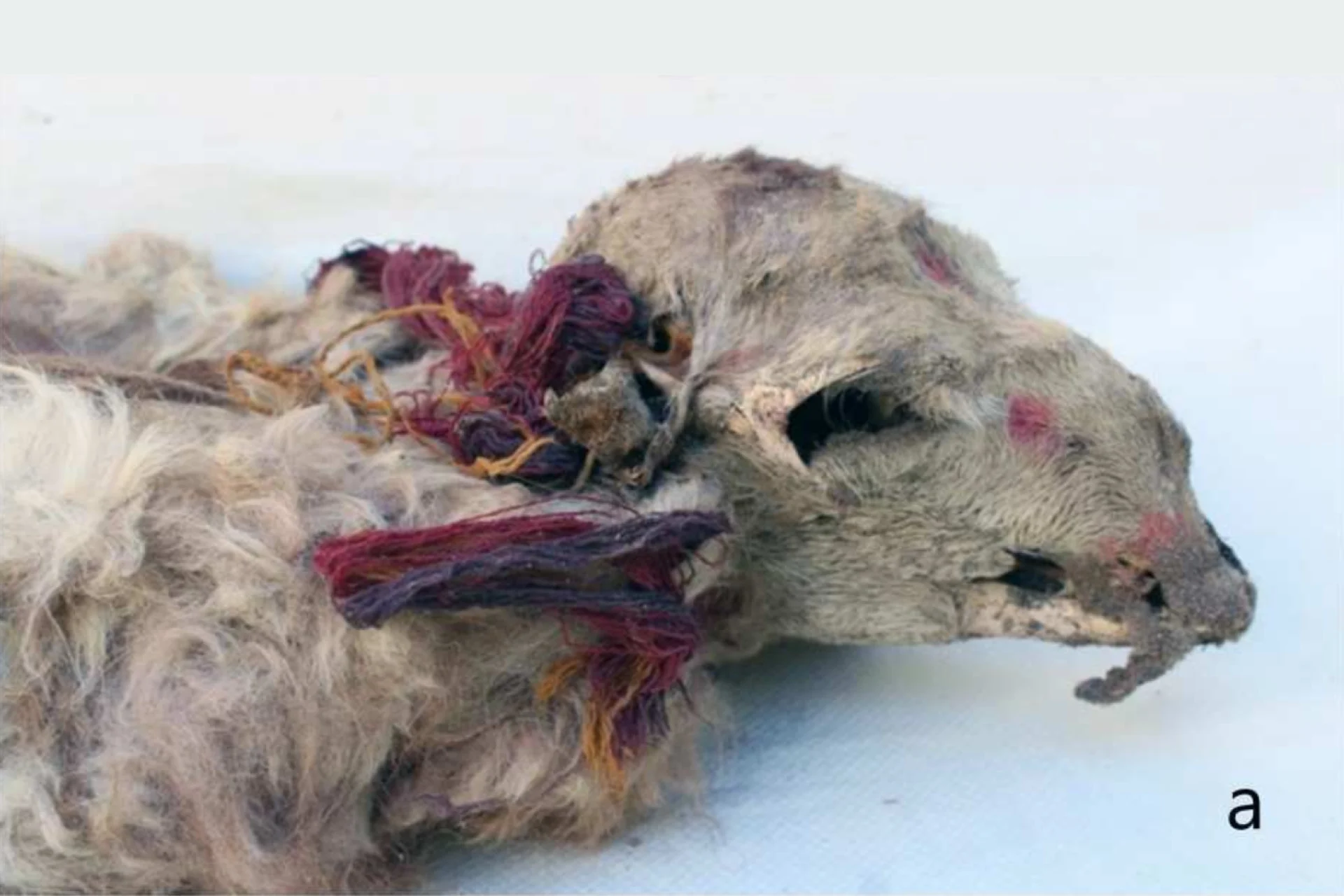
During recent investigations at Tambo Viejo, Peruvian archaeologist Lidio Valdez and colleagues unearthed an unusual collection of naturally mummified llamas and guinea pigs. The llamas in particular had colorful ear tassels and necklaces, red face paint, and most importantly, coca leaves stuck in their wool. The Inca considered coca a divine plant, and features such as the positioning of the llamas indicate that a sacrificial ritual took place here, as the team reported in a recent paper in Ñawpa Pacha. If valid, this interpretation complicates written sources that claimed coca leaves were burned during rituals.
Tambo Viejo, a site associated with Inca occupation, hosts a particularly special archaeological record, Valdez, currently with the University of Calgary in Canada, told Gizmodo. For instance, “nicely, naturally” mummified guinea pigs have only turned up at Tambo Viejo, he said, adding that “[N]othing similar has been reported from other Inka settlements.”
According to Valdez, archaeological records indicate that rituals and offerings were means to “negotiate” with deities who owned the land that the Inca lived on. The idea was that gifts “presented in a ritualized context” would prompt the deities to send back good fortune, the researchers explained in the paper. It appears that child sacrifices were the most valuable, but it was more common to offer domesticated animals like llamas and guinea pigs, they added.
Source link





