
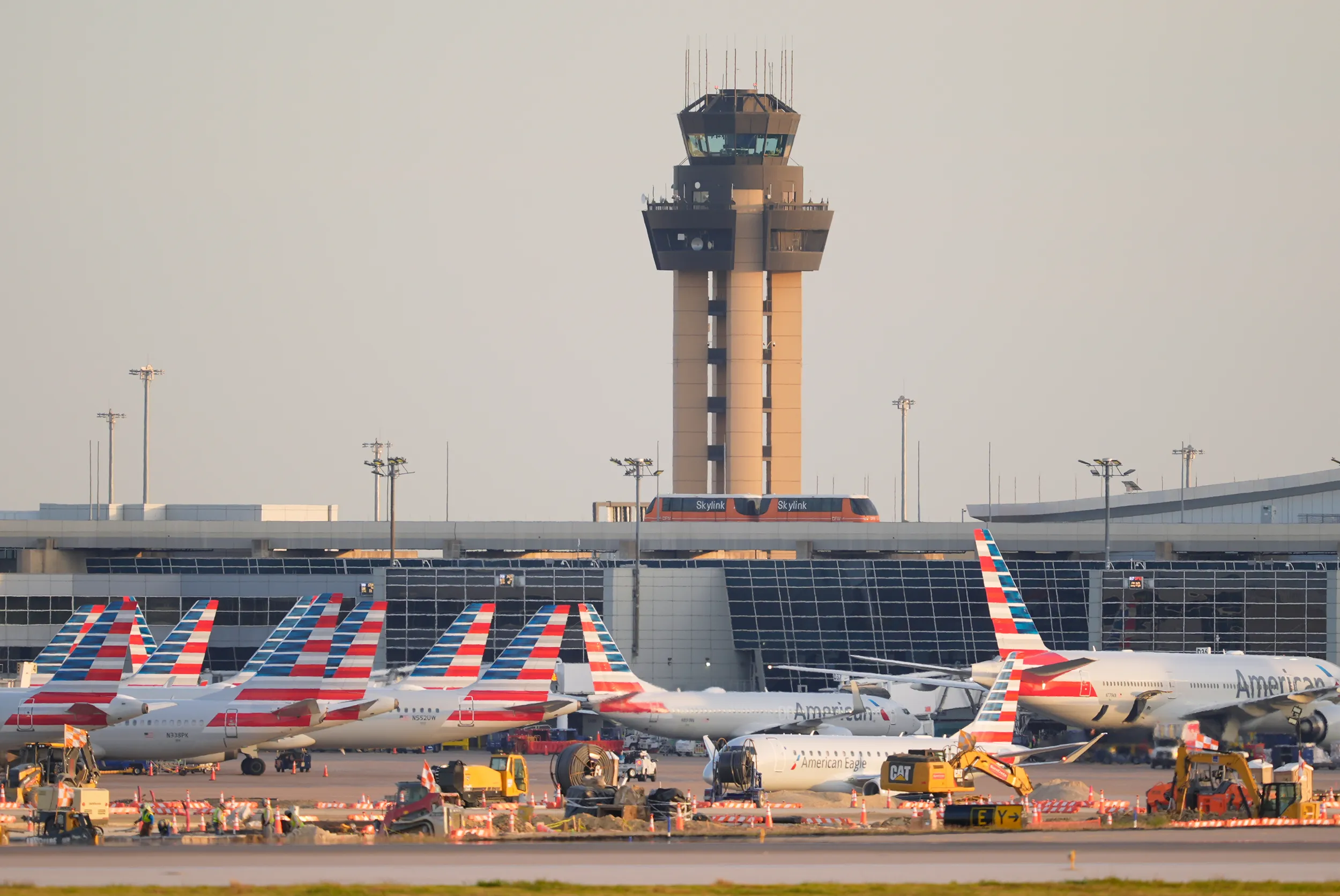
By Wednesday of this week—six days after a 4.5-hour nationwide ground stop that panicked onlookers and scrambled air travel—US transportation secretary Sean Duffy said he still wasn’t quite sure what led to the Friday meltdown. “The root cause of what happened, we don’t have clarity yet,” he said after a meeting with lawmakers.
Still, the Federal Aviation Administration has revealed that a few things did go wrong on Friday afternoon. It involved routine infrastructure replacement, a faulty router, data overload, and disruption in some regions in the radio communications that air traffic controllers use to speak to each other and pilots.
The agency has since described the ground stop as something executed “out of an abundance of caution.” On Wednesday, FAA administrator Bryan Bedford appeared to downplay the incident even as he took blame for it, calling the outage “a knee scrape, and I’m sorry.”
While aviation industry workers maintain that flyers were safe throughout the ground stop, some felt government officials downplayed the event, which left air traffic controllers scrambling to backup frequencies even as they tried to figure out what was going on.
“That was the hairiest 90 minutes of my career,” one air traffic controller told WIRED.
Contacted for comment, FAA spokesperson Steve Kulm didn't answer questions but referred WIRED to the agency’s ground stop Q&A web page , where the agency writes it has “clear, established, standard procedures to ensure safety during incidents such as this.” It says that some radio frequencies and radar feeds remained online during the communication issues, “allowing air traffic controllers to maintain communication with and track aircraft.”
Source link





