

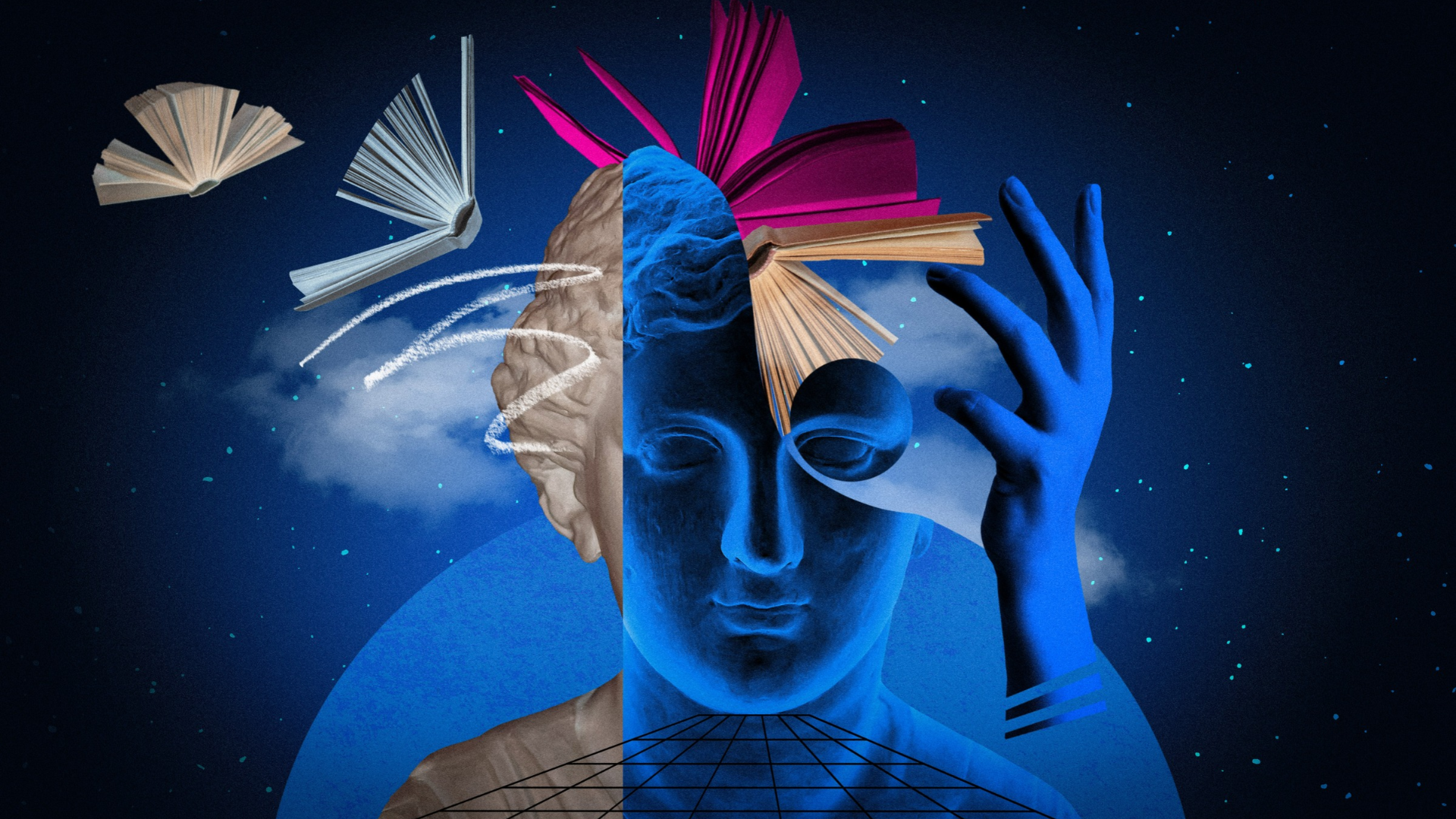
Change is in the air. Digital saturation is reshaping nearly every dimension of our lives in this age of artificiality, transforming how we work, communicate, and experience the world around us.
Amid this profound transformation, our desire for experiences that are deeply human has never been greater.
Technology can do so much, including simulating interaction and placing nearly limitless entertainment at our fingertips. But it cannot fully replicate formative live entertainment moments like the collective anticipation before a performance or the emotional release of thousands of people experiencing the same unforgettable moment together.
Human beings are fundamentally social. We are drawn to one another and transformed by shared experience. Gathering is part of who we are. That fundamental human desire places us on the precipice of a cultural renaissance.
Throughout history, moments of mass disruption have repeatedly created the conditions for extraordinary periods of advancement in art, science, architecture, technology, and design. These moments force societies to question familiar assumptions and search for new ways to understand one another.
In this emerging age of artificiality, human creativity will command a new premium. So will presence. The experiences we cannot download, automate, or predict will become more valuable precisely because they are real.
For designers (and any type of creative), this is an extraordinary opportunity. We have the ability—and responsibility—to shape the experiences that define the next era of culture.
History demonstrates that people are remarkably resilient. When confronted with uncertainty or moments of radical change, we search for reasons to believe in what comes next, then adapt accordingly.
Source link





