

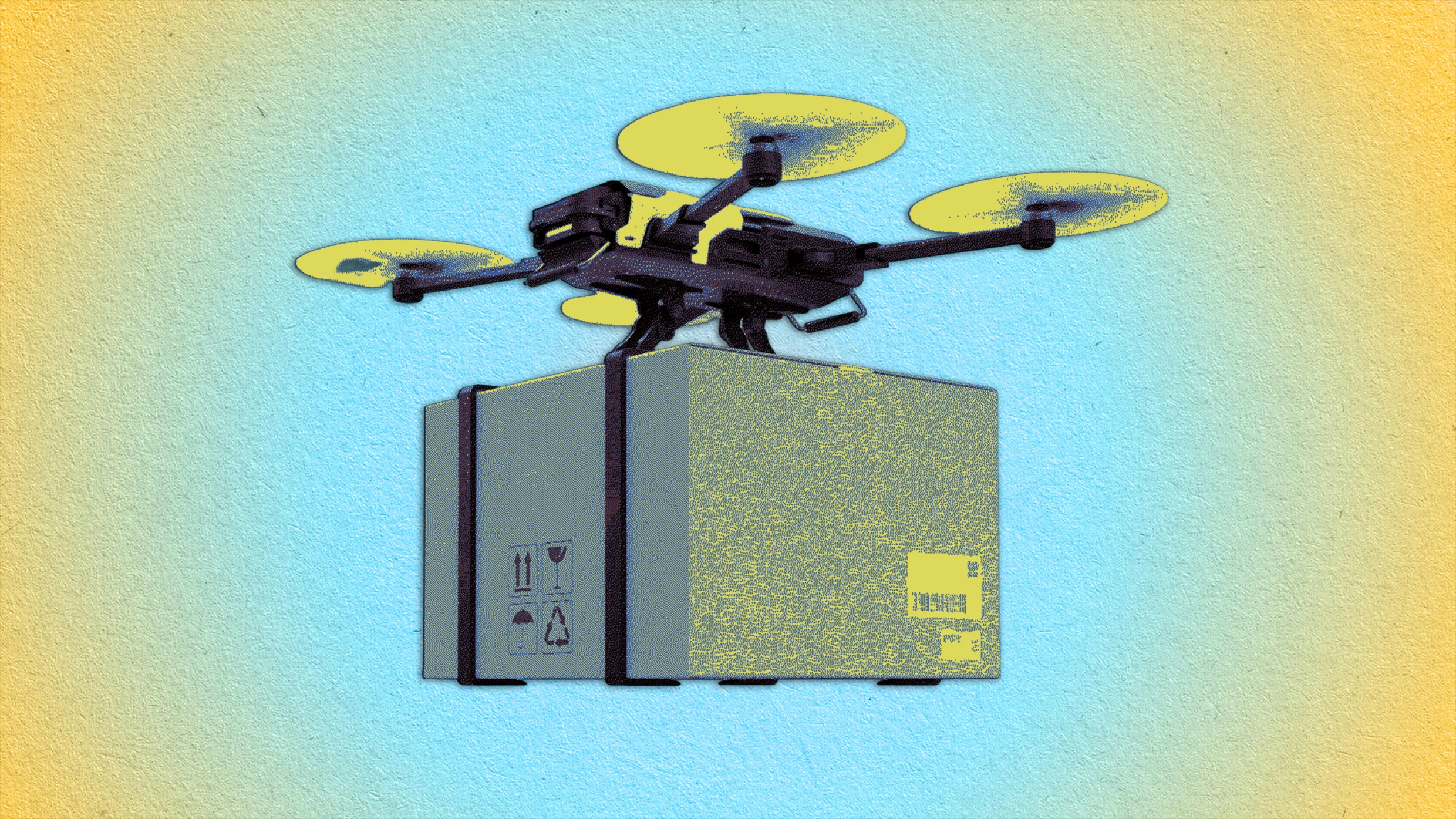
For more than a decade, the story of drone delivery was about improving the technology and getting federal permission for the drones to take to the airwaves. Could companies get the Federal Aviation Authority to approve flights beyond the operator’s line of sight? Would regulators let one pilot supervise many aircraft? The assumption was that once Washington said yes, the drone business would take off.
Washington is edging toward saying yes. What comes next is less predictable, because once drones are out in the wild, it’s hard to know how people will interact with them in real life. In Richardson, Texas, a Dallas suburb, residents running their own trackers have logged more than 50 low-altitude flights on some days, at roughly 170 feet, close enough to be heard indoors. Neighbors have started calling the traffic a “drone highway.” In College Station, Amazon’s longtime test market, the FAA found residents’ complaints meritless or outside its jurisdiction. Amazon cut flights anyway, switched to a quieter drone, and planned to let its lease lapse.
That is a weak signal worth paying attention to. The first-order expectation for incorporating drones in delivery systems is that packages can be delivered more quickly and, without the need for human labor, potentially more cheaply than alternatives. Indeed, when Jeff Bezos first announced Amazon’s intention to add drones to the mix in 2013 , the idea attracted widespread, and mostly positive, attention. The second-order effects appear only once the technology scales, and they may change the viability of the model more than any rule from the FAA.
Source link





