
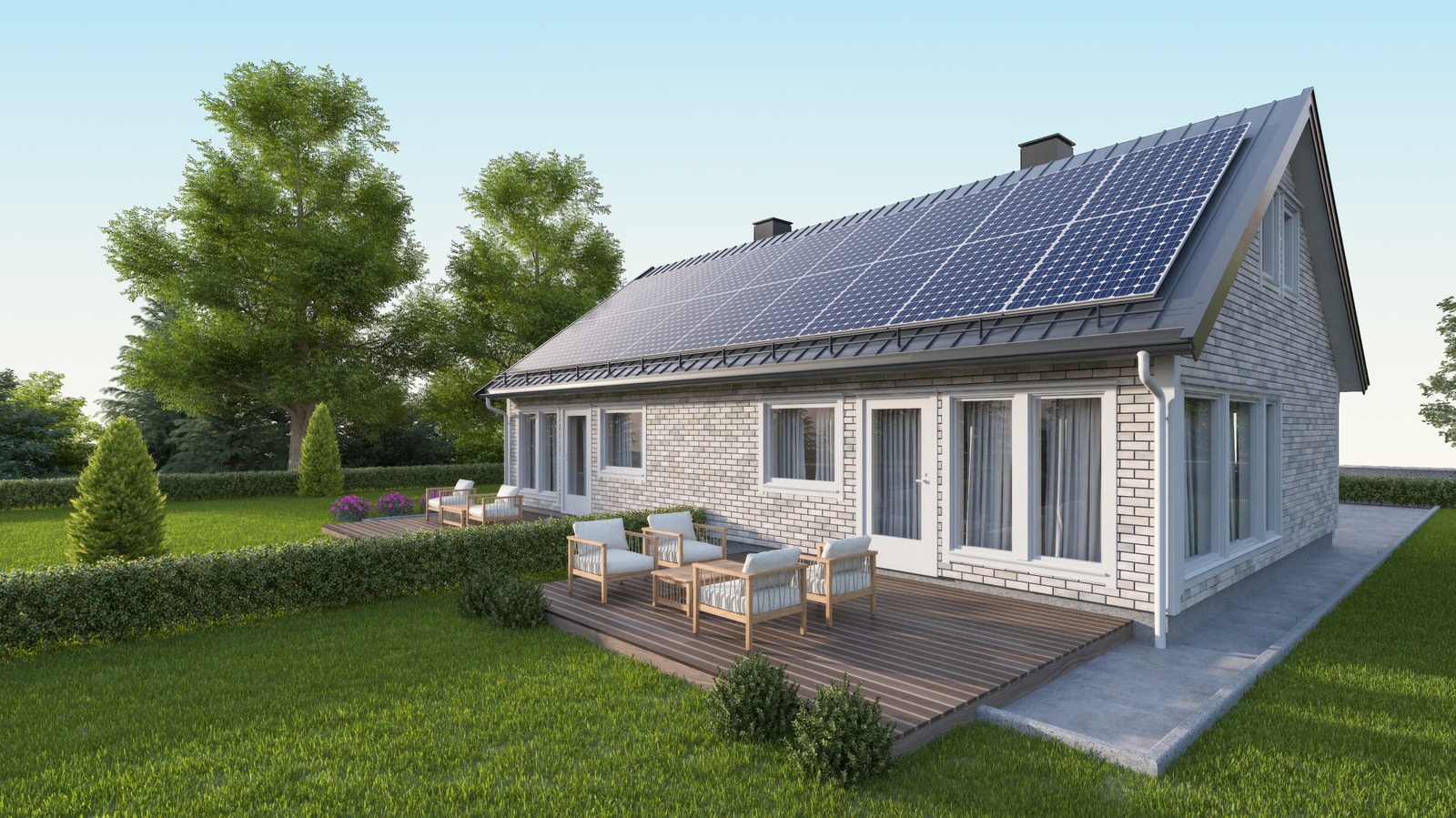
On the surface, adding solar panels to your home seems like a fantastic idea. They can cut down your monthly electricity bills, potentially increase the resale value of your home and deliver clean, renewable and environmentally friendly energy to your residence. Some states and utility companies even provide solar incentives to homeowners in the form of rebates and income tax credits.
With all that in mind, why wouldn't you want to add solar panels to your home? Well, for all the good they can do, solar panels also come with plenty of drawbacks, especially if you don't live in a state with solar-friendly regulations, your home isn't geographically positioned to take full advantage of solar energy or your electricity bill isn't all that high to begin with.
The average price to install a solar power system in a typical home falls between $20,000 and $27,000, with a national benchmark of $3.36 per watt, before any incentives or rebates are applied. Prior to 2026, homeowners could rely on a federal 30 percent tax credit to soften the blow, but the Trump administration terminated that incentive.
The upfront expense might not be worth the investment, depending on a few factors. First, consider your electricity rate and usage. Some areas charge more for electricity than others, with the 10 most expensive states being Hawaii, Maine, Massachusetts, California, Alaska, New York, Rhode Island, New Hampshire, New Jersey and Connecticut.
If you don't reside in one of those states, installing solar power may not significantly impact your electricity bill, especially if you live in a smaller home, have a small household (people-wise), use energy-efficient appliances and tend not to consume much energy in a given month.
Source link





