

This is today’s edition of The Download, our weekday newsletter that provides a daily dose of what’s going on in the world of technology.
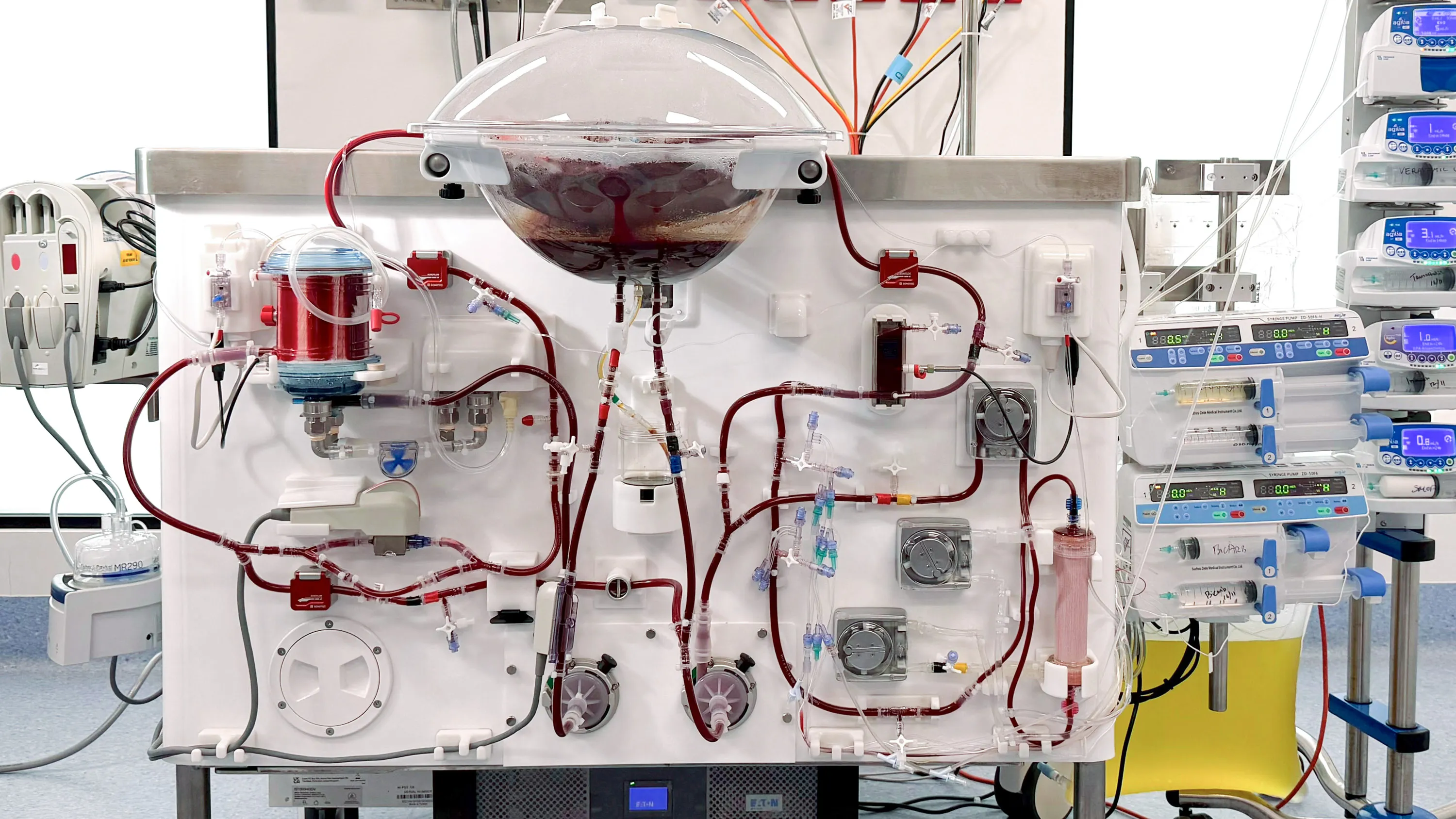
Researchers in Australia claim they’ve kept a human liver alive on life support outside the body for seven weeks, smashing the previous record of about two weeks.
They achieved the feat by connecting a donated liver to a system of automated pumps and sensors that fed the organ nutrients, supplied it with blood, and whisked away waste.
The approach could open up new possibilities in biomedical engineering, from repairing damaged organs to growing new ones. Some researchers are even exploring artificial wombs.
Take a closer look at the technology keeping human organs alive.
After a tough few years littered with high-profile failures, there’s some positive news for next-generation batteries in the US: Sila has signed a deal with battery maker Panasonic Energy to supply silicon-carbon anode material that could be worth more than $1 billion.
The agreement will help Sila scale production, potentially bringing smaller, lighter batteries to market. But it also reveals how battery politics have shifted. The factory is backed by a $1.4 billion loan from the Trump administration’s Defense Department—and the industry is increasingly focused on geopolitics rather than the energy transition.
Find out what this deal reveals about the US battery industry.
This story is from The Spark, our weekly climate tech newsletter. Sign up to receive it in your inbox every Wednesday.
Source link





