Before paying extra for a smart fridge, it helps to know what it could mean for your budget, your privacy, and software support over the years.
If you haven't shopped for appliances in a while, you may be surprised by how common smart models have become. To be clear, "dumb" ones do remain on sale. But even cheaper products frequently offer some smart home functionality, and the high-end models can include features like cameras and custom touchscreen controls. There are actually ovens with cameras despite what you'd assume from the heat involved.
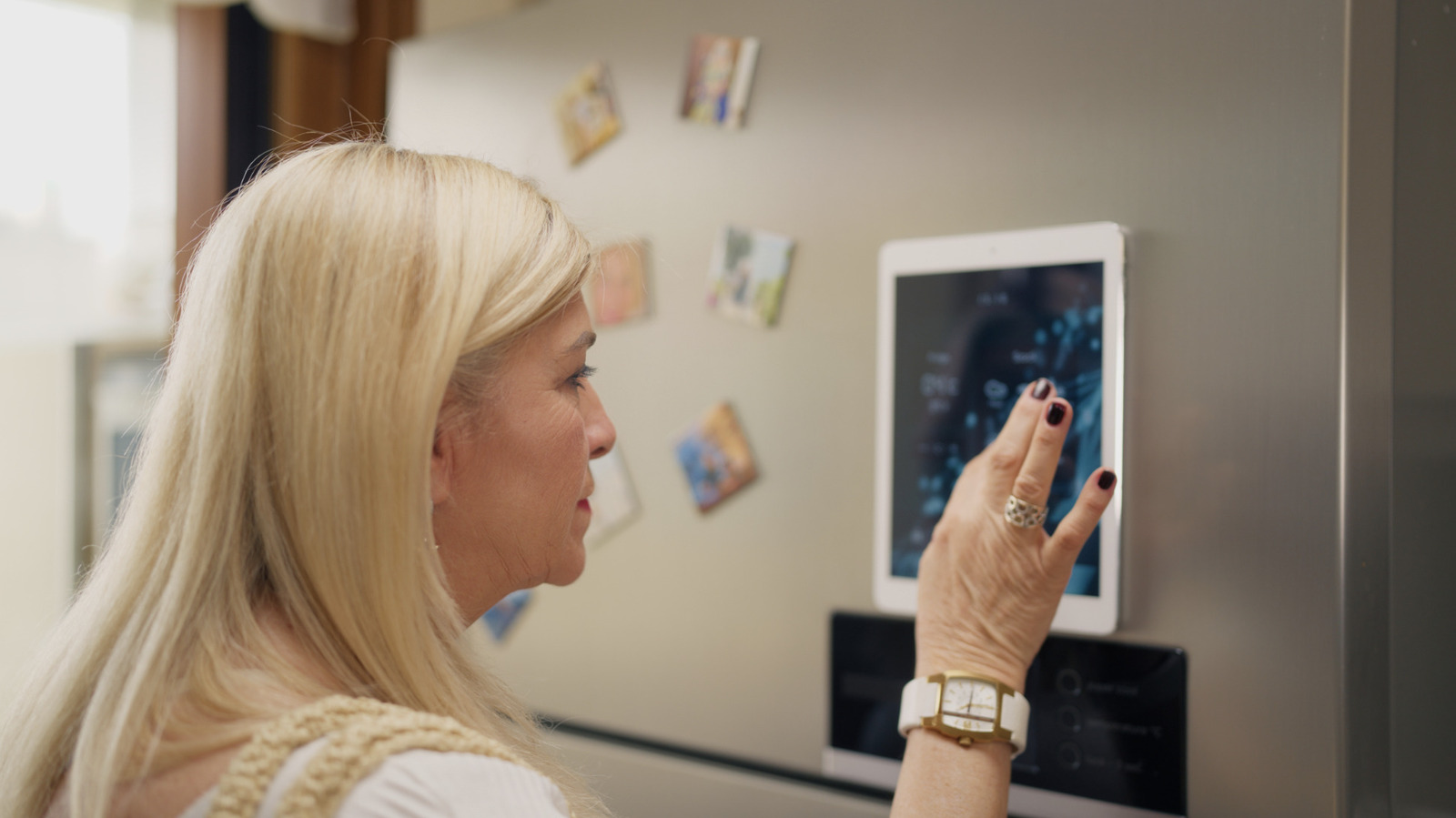
The king of smart appliances, though, is the fridge. Once connected to Wi-Fi, many fridges will let you do things like check and adjust their temperature zones, or get alerts when maintenance is needed or the door is left open. The most advanced models — like Samsung's Bespoke Fridge with AI — can turn your fridge into a digital bulletin board, and even keep track of its contents.
In a sense, it's about time that appliances started feeling as advanced as the rest of our devices. But there are several potential drawbacks, among them data collection and obsolescence. You're probably better off with a smart display like an Echo Show if you want a family hub.
For most buyers, the overriding concern is cost. Shop around, and you'll likely find that the difference between a dumb fridge and one with bare-bones smart features (temperature status, door alerts, and the like) tends to be minor. As things become more advanced, however, the premiums can become exorbitant.
Source link