Importing tech isn't too hard, but the downsides may not be worth it.
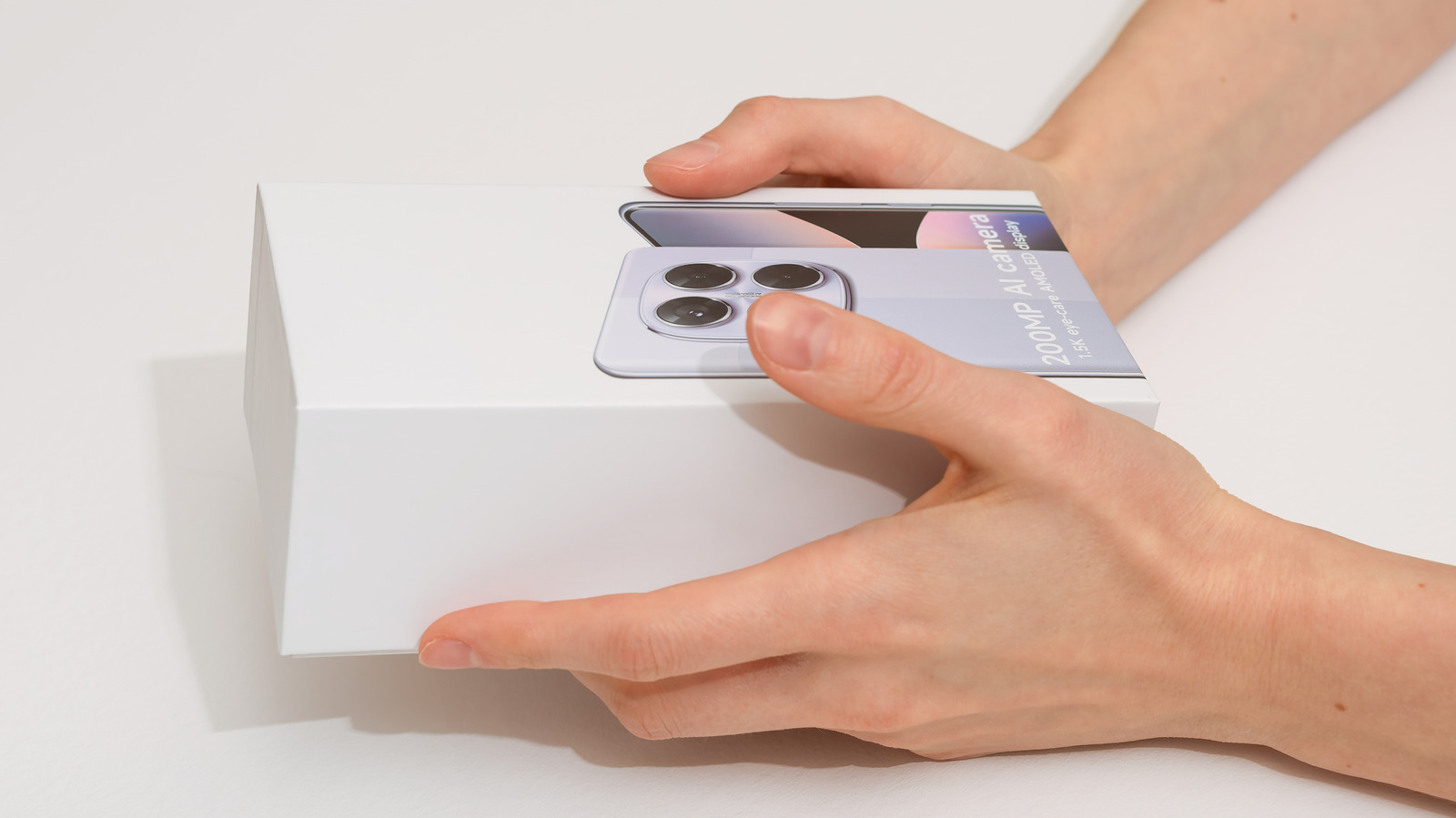
There are many reasons to import phones or other tech, whether you're buying it in person during a trip or via online marketplaces or importers. Your phone could die while you're travelling abroad, for example, forcing you to buy a replacement. Or maybe there's a perfect product for you, but it's not available where you live. Either way, buying tech from other countries is sometimes the only option.
Depending on the product, though, this can come with a catch or two. Buying devices from other regions can come with annoying restrictions. You might end up with slightly different hardware, lack warranty coverage or, in the worst case, not have access to core software or connectivity features. Here's what you should know before buying a new phone, laptop or any other tech product from overseas.
A device can have different hardware configurations globally. In China, for example, certain iPhone models have slots for two physical SIMs. Conversely, US iPhones dropped the SIM tray starting with the iPhone 14, so you must use an eSIM instead. iPhones sold in China also get limited access to Apple Intelligence tools, even if you use it elsewhere.
Phones may pose issues with cellular bands. Manufacturers usually offer different versions of the same phone designed for specific bands in a given region. If you buy a phone in another country, it might not work on the US' 5G network, for example. This means you could lose access to carrier-specific features like VoLTE or Wi-Fi Calling if the device you're buying isn't certified for your network.
Source link