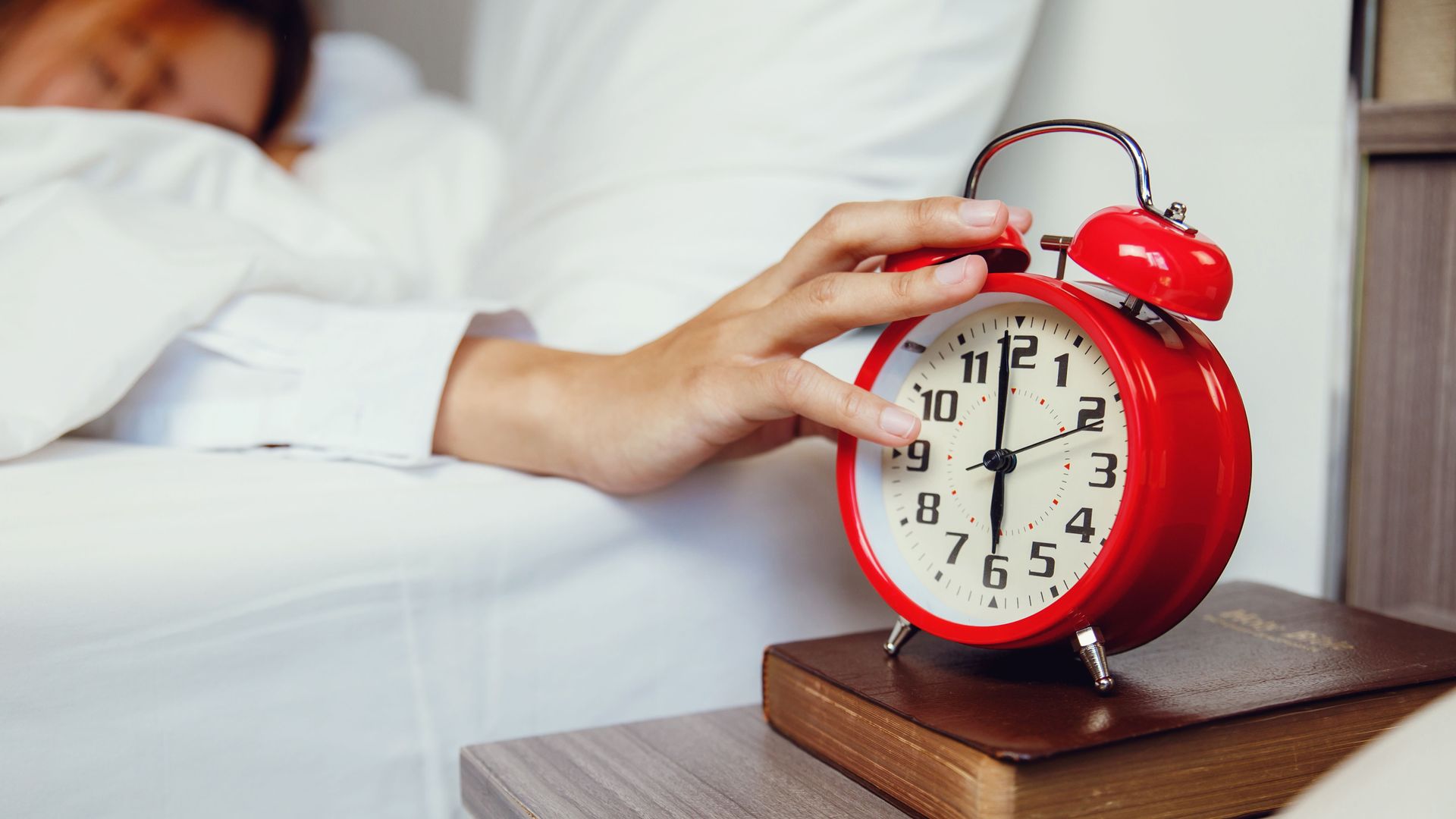
For most US states, the clocks go back on Sunday, November 1st, marking the end of daylight savings. At 2 a.m. the clocks will go back to 1 a.m., which means an extra hour in bed.
But while an extra hour of sleep might sound like an alluring prospect, not everyone welcomes another clock change. Some sleep experts note the sudden shift negatively disrupts our circadian function, while others say shifting with the sun can instead keep your body clock aligned to natural rhythm.
With a 2025 poll found that over half of Americans support abolishing the practice, we explore the pros and cons of both.
“There are arguments on both sides," notes Dr. Zoe Williams, NHS GP and Dreams’ Resident Sleep Expert. "But from a sleep and health point of view, our bodies generally like consistency. We all have an internal body clock, or circadian rhythm, which helps regulate not only when we sleep and wake, but things like hormone release, alertness and appetite."
Having our routines suddenly shift twice a year means there is inevitably a period where that rhythm has to adjust
Dr. Williams explains that when our routines are forced to suddenly shift twice a year, there's inevitably a period where that rhythm has to adjust. “An hour might not sound like a big change, but our bodies don’t work according to the clock on the wall," explains Dr. Williams.
Source link