The Amazon rainforest has long been called the “lungs of our planet,” because of how it takes in and stores billions of tons of carbon dioxide.
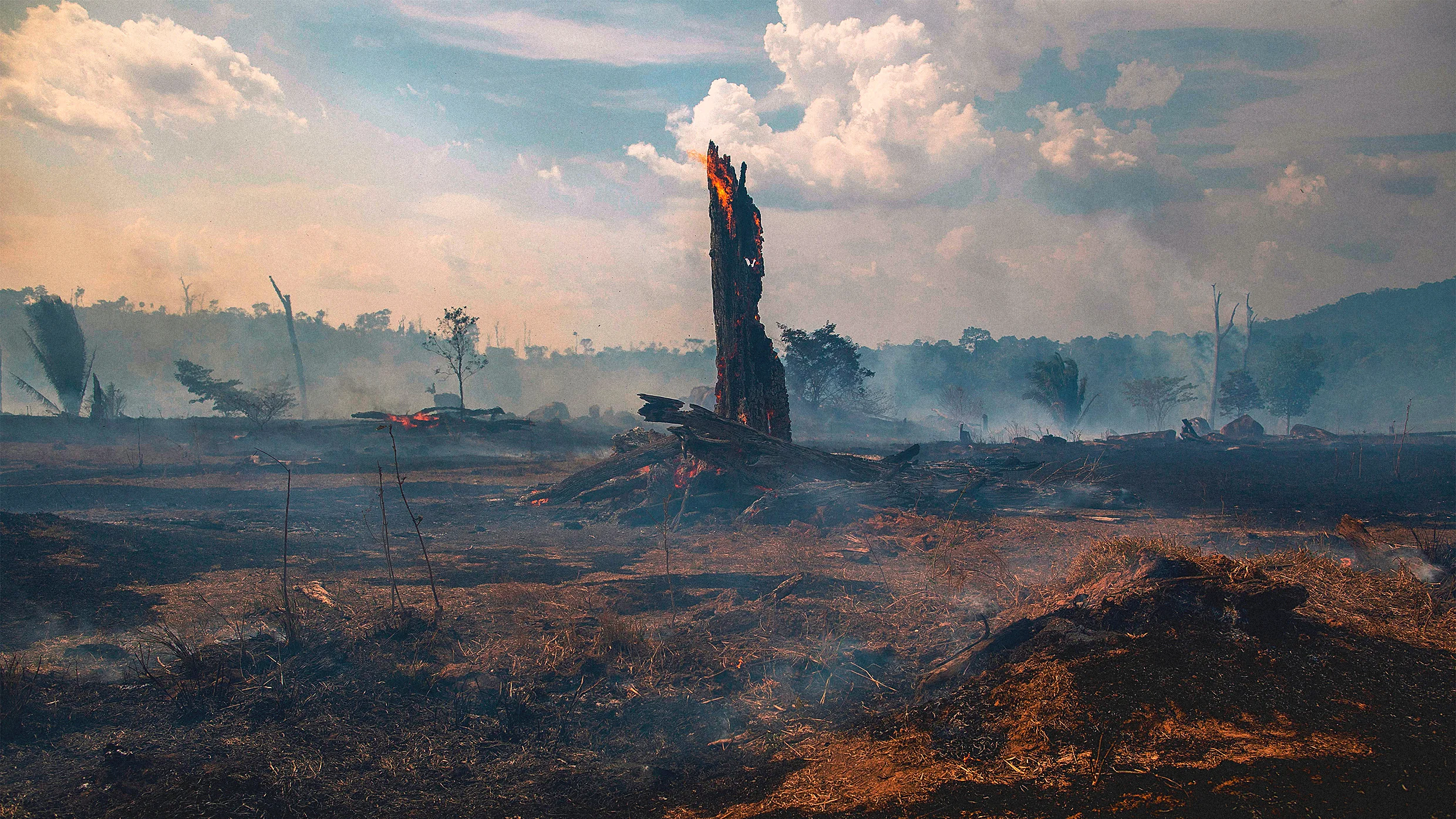
But the Amazon has been losing that ability. Years of deforestation, drought, and fires have hindered just how much CO2 the rainforest can absorb.
Now, the Amazon rainforest often releases more carbon than it takes in, a new study finds. It’s only in the “wettest years” that the rainforest is nearly carbon neutral.
The study, published in the journal Nature, was led by Brazil’s National Institute for Space Research and included an international team of researchers. They used 15 years of atmospheric carbon measurements, which had been collected by research planes.
Those years were then grouped by different characteristics, like the level of human activities—which includes deforestation, logging, or using fires to clear land—and the amount of climate stress—like drought or heat waves.
Some years were wet with low human activity, some had low climatic stress but high human activity, and others had “intense global climate events, such as El Niño” along with intense amounts of human activity.
In the years where the rainforest stayed relatively wet, and where there was relatively low deforestation and few wildfires, the Amazon was nearly carbon neutral. The forest was still a slight source of carbon into the atmosphere, but it “did not significantly contribute to the global carbon balance” in those years, the researchers write.
When drought or heat were mild but deforestation and wildfires occurred more, the net carbon emissions from the Amazon “jumped dramatically,” according to a statement.
Source link