

Welcome back to TechCrunch Mobility, your hub for the future of transportation and now, more than ever, the role AI is playing in it. To get this in your inbox, sign up here for free — just click TechCrunch Mobility!
On an average day in San Francisco, you might see dozens (hundreds?) of Waymo robotaxis zipping around the city — and with little disruption. But, as TechCrunch has reported, there have been numerous incidents of robotaxis impeding traffic, driving into crime scenes, and interfering with first responders. And not just in the Bay Area. In some cases, companies have relied on first responders to move their robotaxis.
These disruptions are occurring in the early stages of the robotaxi era. California has a new law hoping to get ahead of the problem before the next impending wave of robotaxis land.
Senate Bill 1246, which was signed into law by Governor Gavin Newsom this week, sets a series of new rules for AVs designed to improve safety and response times when they become disabled or interfere with emergency responders. The law also creates ways to hold these companies accountable if they don’t.
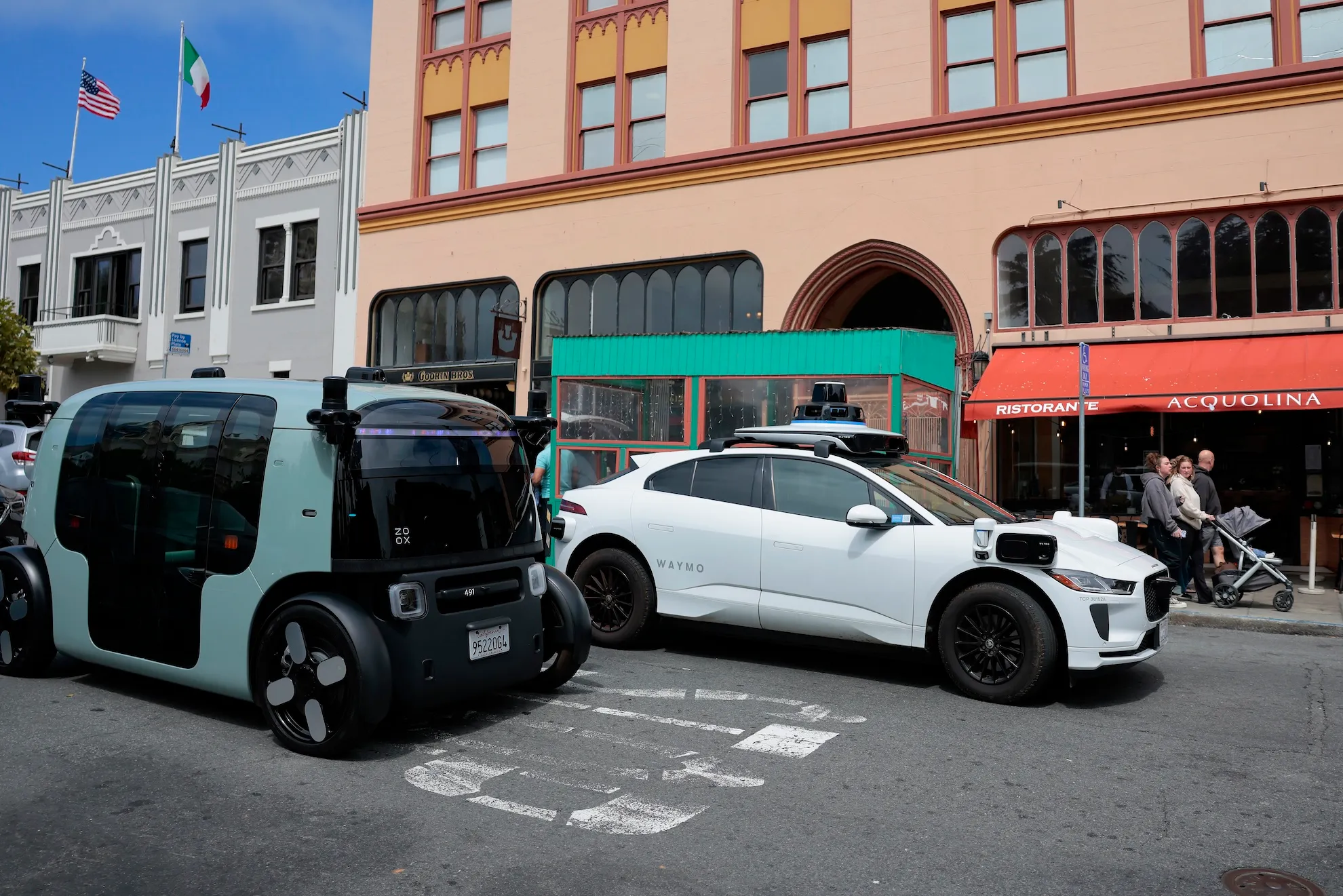
Autonomous vehicle technology companies like Tesla, Waymo, and Zoox will have to provide first responders with local, on-the-ground support when their robotaxis cause problems and could also face penalties if a robotaxi blocks police or firefighters for more than 30 minutes.
S. driver’s license. They must also notify cities, towns, and other local jurisdictions about the location and status of vehicles during system-wide failures and must provide “local incident technicians” who can assist with AV accidents and obstructions.
Source link





