
The Simpson collection of Egyptian and Nubian artifacts at Yale’s Peabody Museum reportedly took a “Noah’s Ark” approach. Egyptologist William Kelly Simpson salvaged the artifacts in the 1960s—a variety of objects from a broad range of periods, cultures, and societal levels. Once future scientists with better equipment came along, they’d come with a fresh set of questions to find new information.
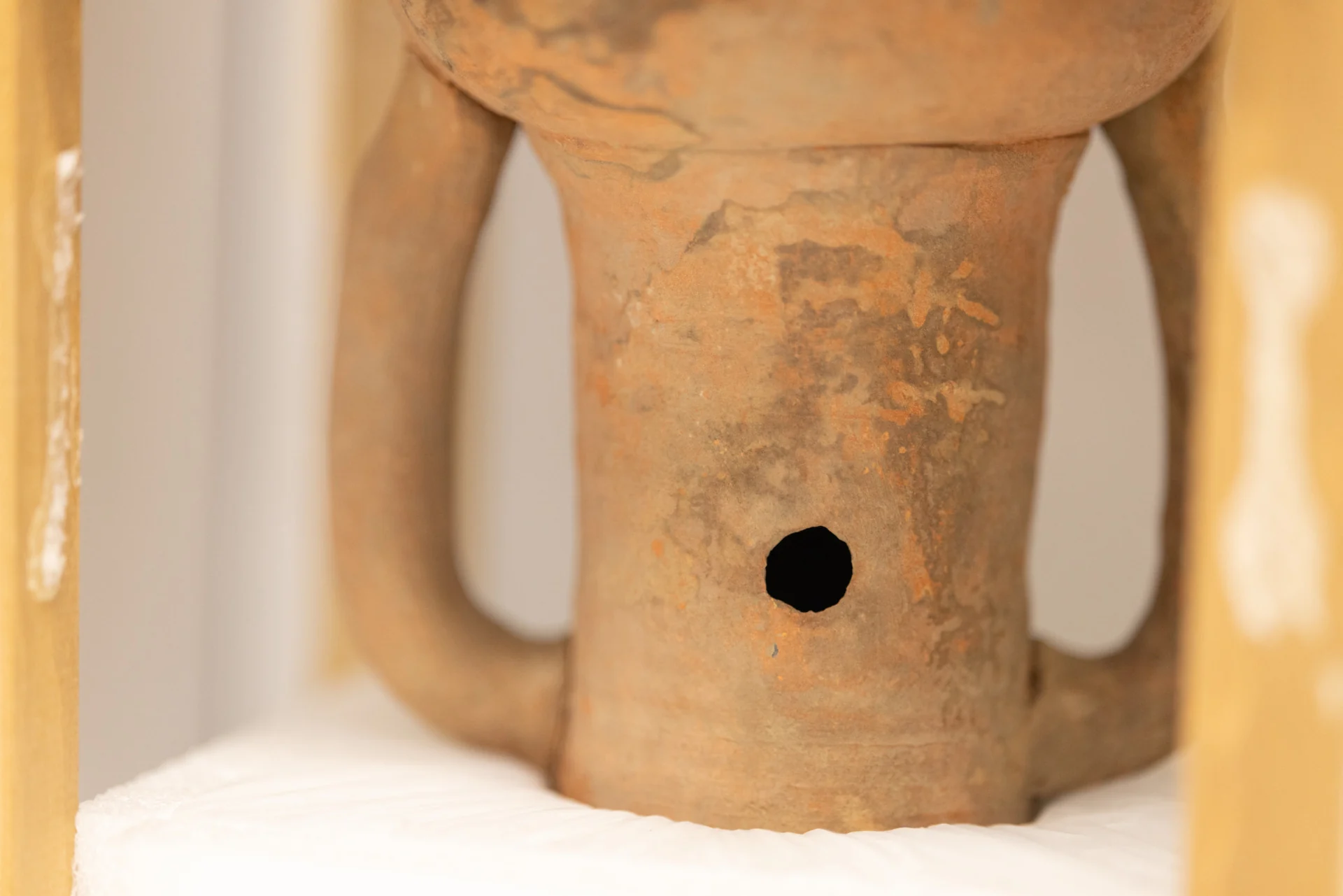
And come they did. In a recent update, Yale archaeochemist Andrew Koh describes one standout object from his team’s analysis of the collection: a 2,000-year-old Nubian amphora with a small hole that once held an exceptional concoction. An amphora—a two-handled ceramic vase—typically held wine or olive oil in the Greco-Roman world. While Koh’s team found wine, there was also opium and a mixture of possibly dozens of other plants, including members of the nightshade family, which have a history of medicinal or ritualistic uses.
Although analysis is still ongoing, it’s possible that this concoction used to be some sort of potion with wine as the base. Relatedly, the hole may have had functional use, but it could also be an act of “ritual killing” of the vase to neutralize the spiritual power present in the vase, Koh noted in the university statement.
“Rather than simply centering wine with added incidental ‘stuff,’ our analyses suggest that the additives were in fact its raison d’être, and the wine, and its constituent ethanol, was simply the most readily available solvent delivery system of the time,” Koh told Gizmodo.
Considering what we know of amphorae, this particular jar seemed off for several reasons.
Source link





