
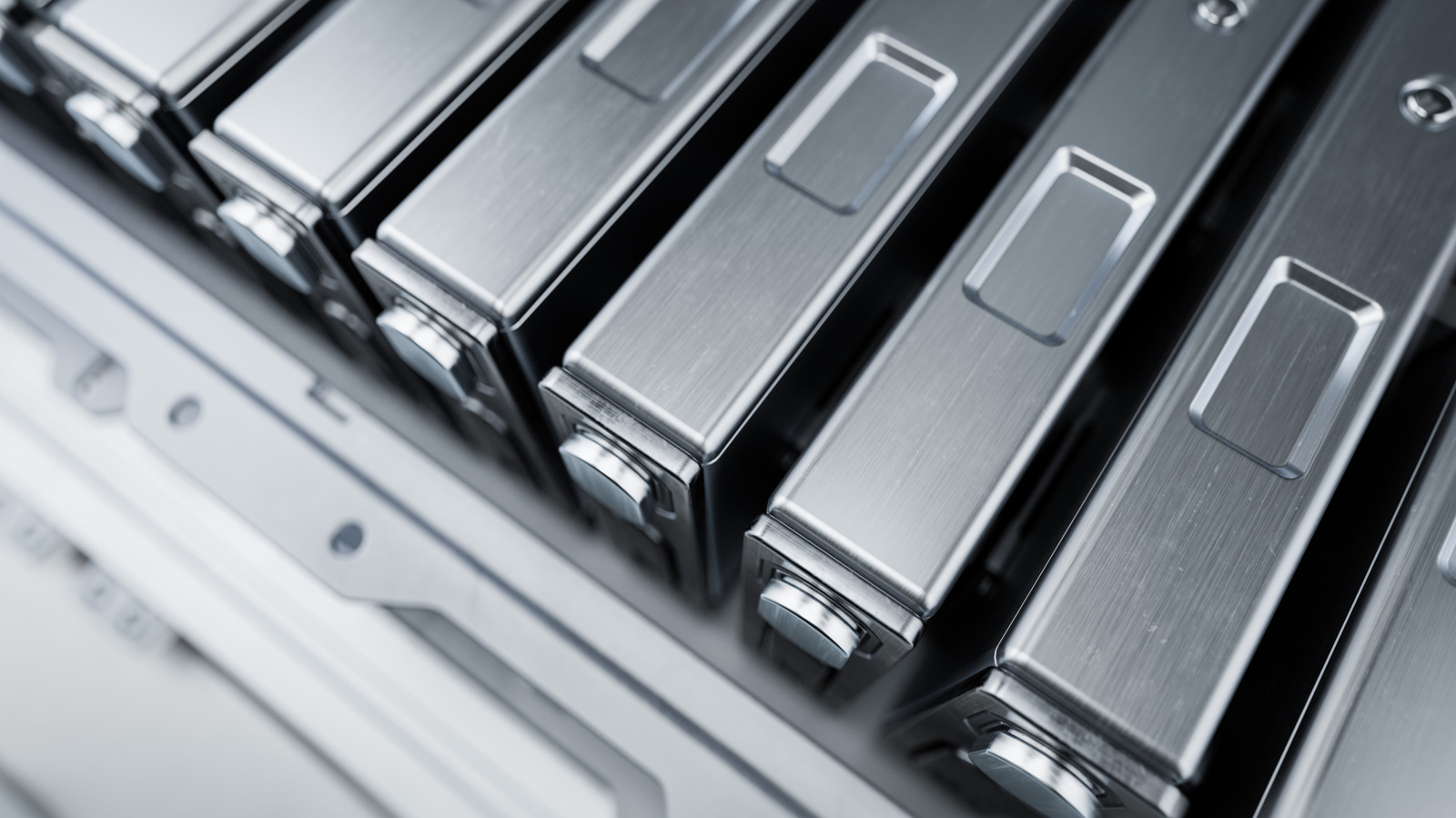
Sodium-ion batteries aren't all that different from lithium-ion batteries in terms of how they operate. Both store and release energy by moving charged particles between negative and positive electrodes. The difference is mainly in the composition and which elements supply the ions.
A lithium battery moves lithium ions from the negative electrode to its positive counterpart, while a sodium battery moves sodium ions. The biggest difference between them is energy density, or how much energy the battery stores for its weight and size. Sodium-ion cells reach roughly 175 watt-hours per kilogram, roughly 20 to 30 percent lower than lithium-ion cells. Lithium-ion phosphate pushes the number to 205 watt-hours, and lithium NMC (nickel manganese cobalt oxide) takes it a bit higher to 255.
Since sodium ions are bigger and heavier than lithium ions, storage and space would be a disadvantage for the larger sodium-ion batteries. In addition, sodium-ion cells operate at lower voltages. That doesn't mean sodium-ion is useless, but it does have limitations. Some manufacturers like CATL and General Motors/Peak Energy are moving forward with larger-scale commercial production, so we may be seeing the initial stages of a bigger push towards sodium batteries just over the horizon.
Sodium's biggest appeal is availability. The stuff is everywhere, especially compared to lithium. Unfortunately, the abundance of ingredients has yet to translate into mass production. Plus, lithium has a massive head start in production and use, and though it's easily the more expensive of the two, its costs are not quite low enough to justify a major industry takeover.
Source link





