Even before France approved legislation banning social media for children under 15 last January, 13-year-old Benjamin was already wondering what life without social media would look like. “If we want to play football, we won’t be able to organize it. What will we do? Send letters instead?” he joked in an interview for Le Monde.
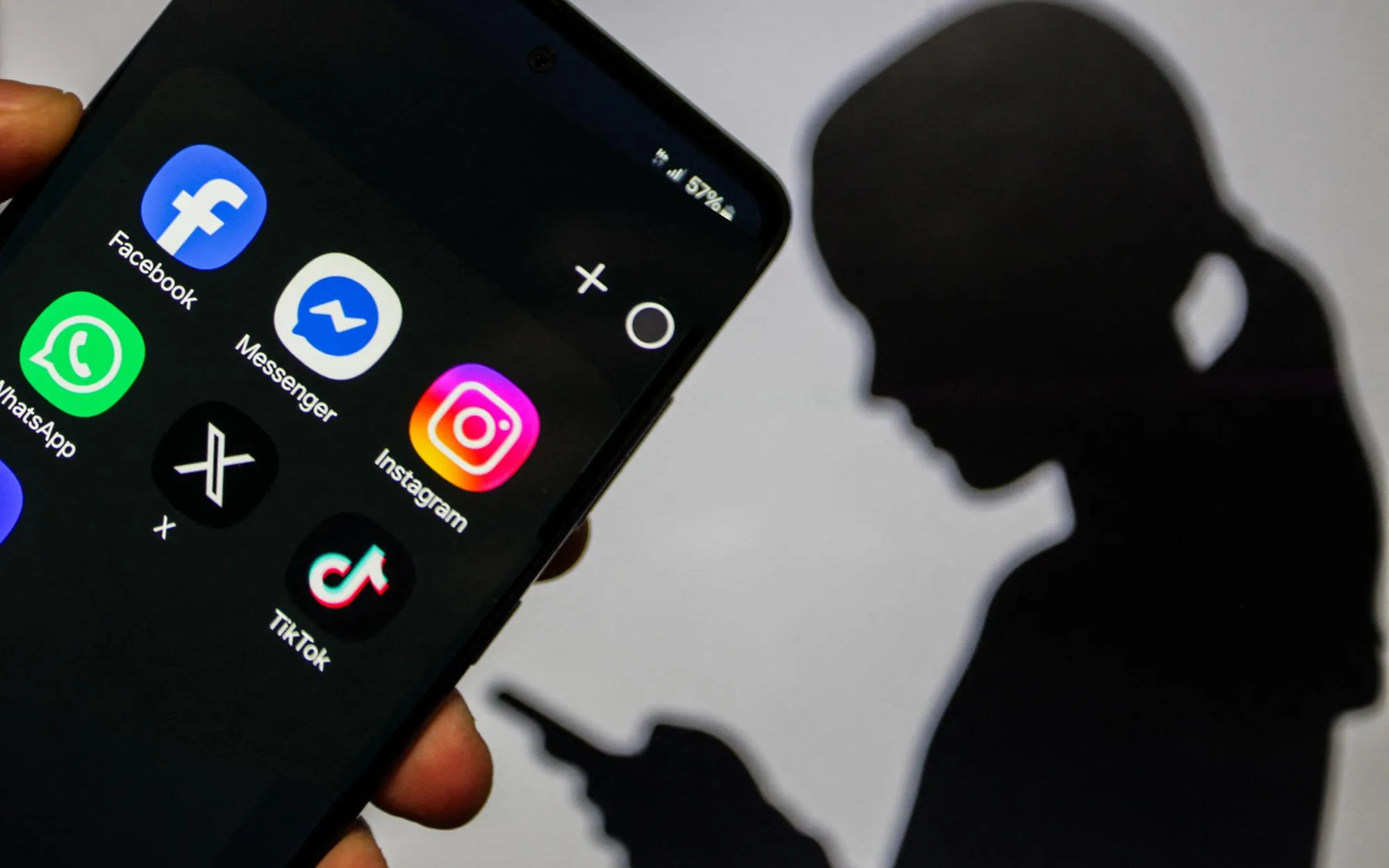
His reaction captured the central challenge behind the growing wave of youth social media bans: Removing access is one thing; understanding what those platforms mean in children’s lives is another.
Within weeks of Australia’s similar ban, the country’s eSafety Commissioner reported that platforms had restricted access to 4.7 million under-16 accounts. Two months later, though, one in five Australian teenagers under 16 was still using TikTok and Snapchat, according to a parental-control data company. But even if all children’s social media accounts were to disappear, do such bans actually make children safer online?
Governments are moving ahead without answering that question as they follow Australia’s lead. Indonesia’s child safety framework, which took effect in March, bars children under 16 from holding accounts on “high-risk” platforms. The UK government has announced plans to ban social media for under-16s, add default overnight social media curfews for 16- and 17-year-olds, and extend child-safety rules to cover risky AI features. And on 17 September, the European Commission proposed the EU KIDS Act , which would bar children under 13 from social media, set 15 as the EU-wide minimum age for opening an account independently, and require platforms to show that their services are age-appropriate and safe by design.
Source link