

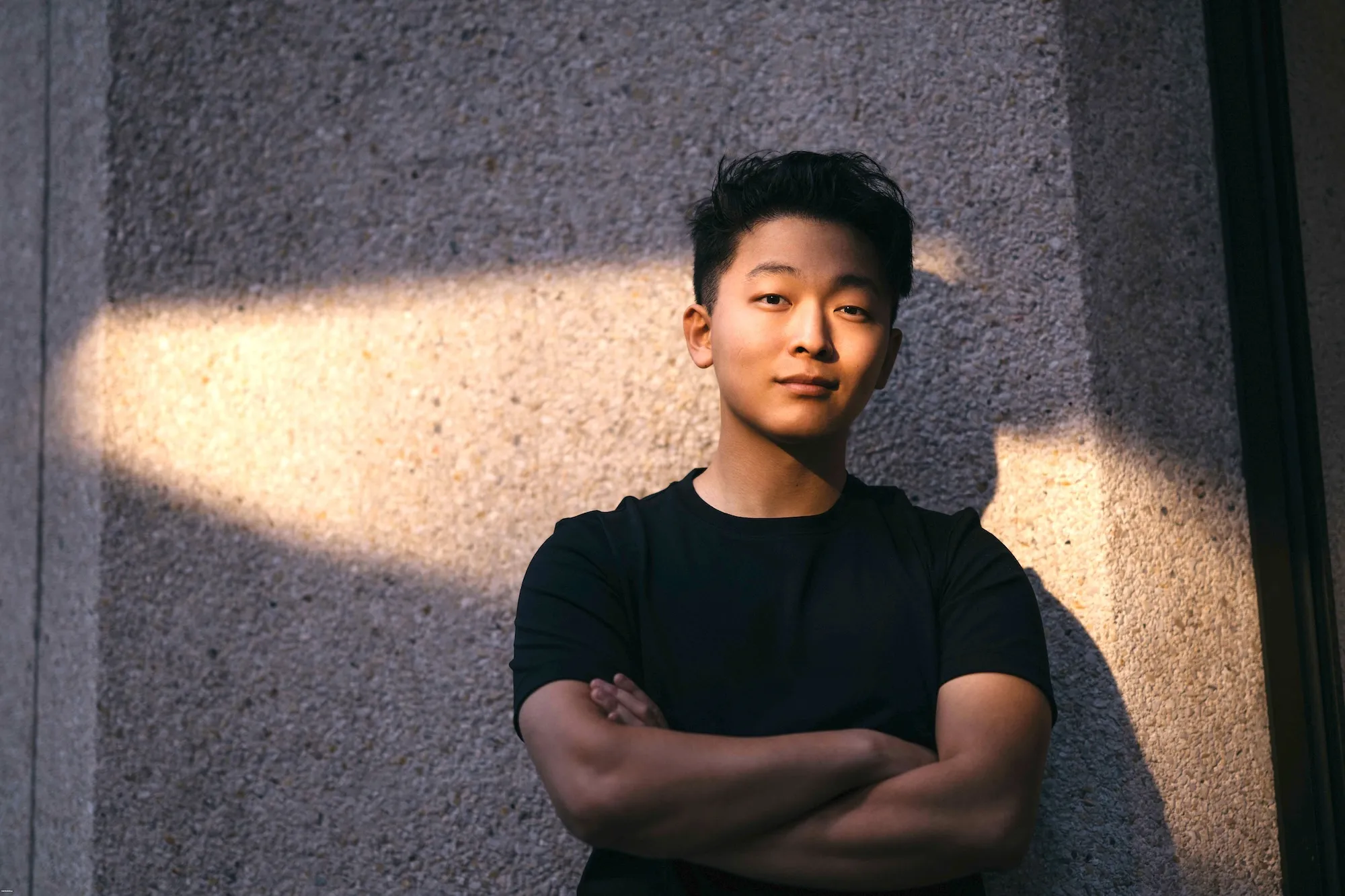
When self-taught coder Sigil Wen was 17, he moved to Silicon Valley and lived in an AI hacker house with famed AI researcher Andrej Karpathy.
While there, he hacked and coded alongside other people who would become the biggest names in AI, like Perplexity founder Aravind Srinivas and OpenAI researcher Noam Brown. He tested early versions of AI tools that would later become well known, including a chatbot shared by Anthropic co-founder Ben Mann that would become Claude, an image generator from David Holz that would become Midjourney, and what would become OpenAI’s GPT-3 and the image generator Stable Diffusion. Prominent investor and entrepreneur Naval Ravikant hired him for Airchat, Ravikant’s now-defunct rival to the Clubhouse social network.
For fun, he figured out how to get GPT-2 running on his Apple Watch. “It was a magical time,” Wen told TechCrunch.
Now a Thiel Fellow — the program from investor Peter Thiel that invites young founders to pursue projects instead of college — Wen on Monday launched an invite-only beta of Underdog, one of the most private AI assistants Silicon Valley has yet to offer. The model runs wholly on-device, meaning the user’s data remains on devices they already own, currently Macs and Windows PCs, with Linux, iPhone, and Android versions coming soon.
Underdog is powered by Husky, the inference engine Wen built to run AI models quickly on a user’s own hardware. Wen says it moves less data between a computer’s main chip and its graphics chip than rival on-device engines.
Source link





