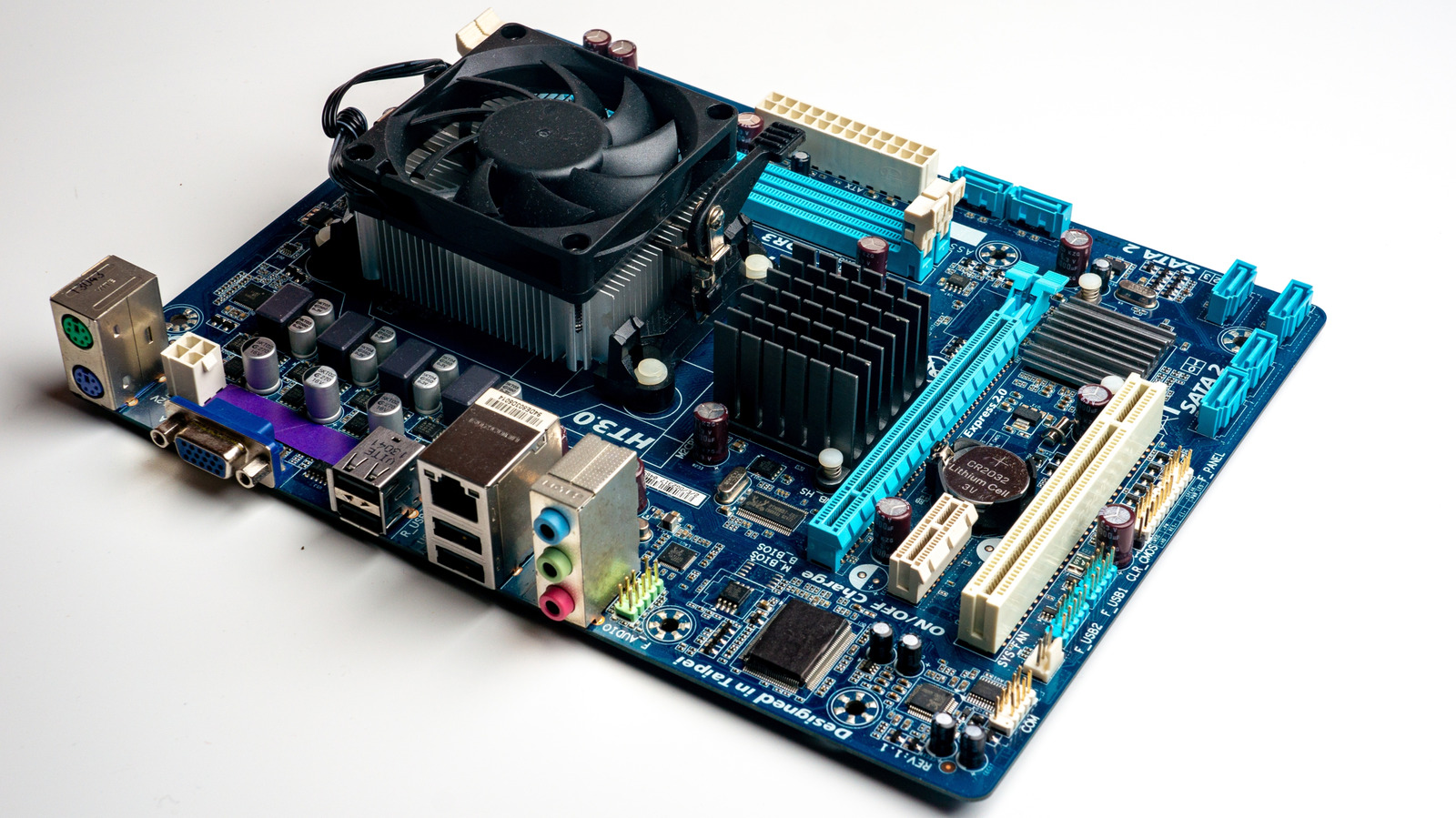
As the price of new PC components continues to rise, with seemingly no signs of relief in the immediate future, the prospect of replacing a part in your computer might be intimidating. If anything in your computer fails, the price of that potential part is likely going to be somewhat steep. When it comes to your motherboard, however, there's some leeway on when that may need to actually be replaced.
If you're lucky, you may be able to just outright repair a motherboard instead of buying a new one. In terms of PC parts, your motherboard ranks fairly high on the list of important items, so being able to repair a potentially failing board versus buying one certainly has distinct advantages.
Thankfully, hints to the declining health of your motherboard aren't subtle. The board sends out alarm bells about its current status rather frequently, and they're quite easy to identify once you understand what they are. Once you know these signs, and which ones point to a simple repair versus outright disaster, you'll be able to fully diagnose your next steps.
A standard motherboard of decent quality can last up to a rather generous ten years. But PC parts, as ever, are some of the most unpredictable pieces of hardware in the entire world. Inside a custom-built PC, the choice of a motherboard can often frame the entire identity of a build, so you may eventually find yourself in need of a full-blown replacement.
In some cases, the board's dying breaths are signaled by a POST failure.
Source link