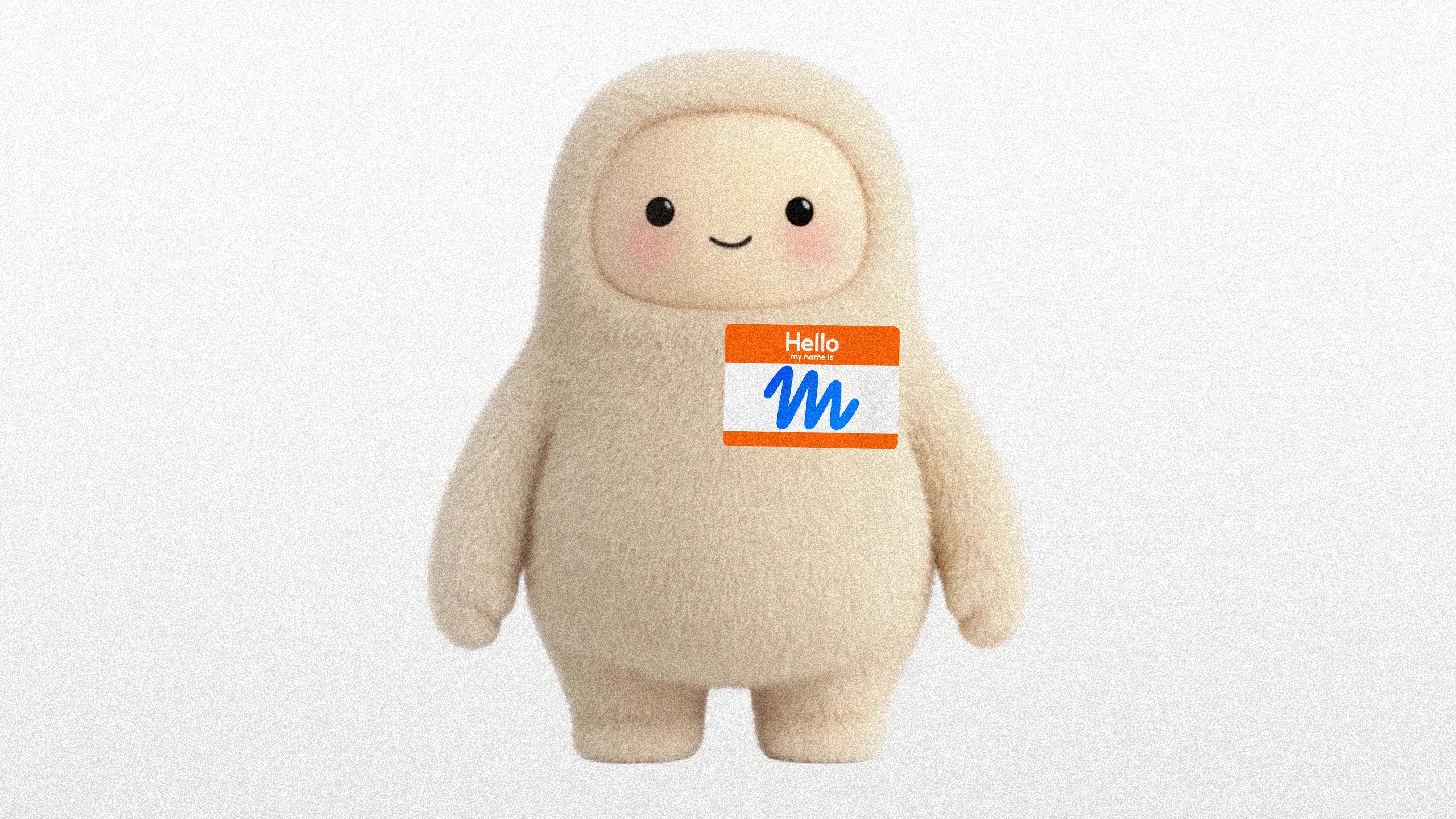
Meta’s Muse is the first of its kind—a personalized AI agent that lives on users’ devices, handling tasks like sending email, ordering groceries, and negotiating lower bill payments. In fact, it’s so good at acting on humans’ behalf that it’s quite difficult for websites to identify it as a bot, rather than a human user.
Meta says that Muse navigates browsers just like human users, meaning it doesn’t look like an artificial intelligence agent, and there’s currently no regulation requiring AI assistants to identify themselves when they visit public sites. But Muse is at the top of a slippery slope—one that leads to questions of legal liability, traceability, and brand trust erosion.
Bots and traditional search engines like Google retrieve users’ requested information via processes known as crawling and scraping. They look for results that align with the user’s query, produce a list ranked by relevance, and end the session there.
AI assistants like ChatGPT and Claude enter the game by visiting websites to find the information. They use unique identifiers in their user agent strings so webmasters can determine who, or what, is visiting and control access via a robots.txt file.
But Muse is different. It browses like a human, navigating pages, scrolling, moving the cursor, and clicking buttons. But unlike ChatGPT, it doesn’t declare itself as an AI agent through the user agent strings. With the right tech tools, brands can pick up some discernible behavioral signs to help detect Muse with some probability.
Source link