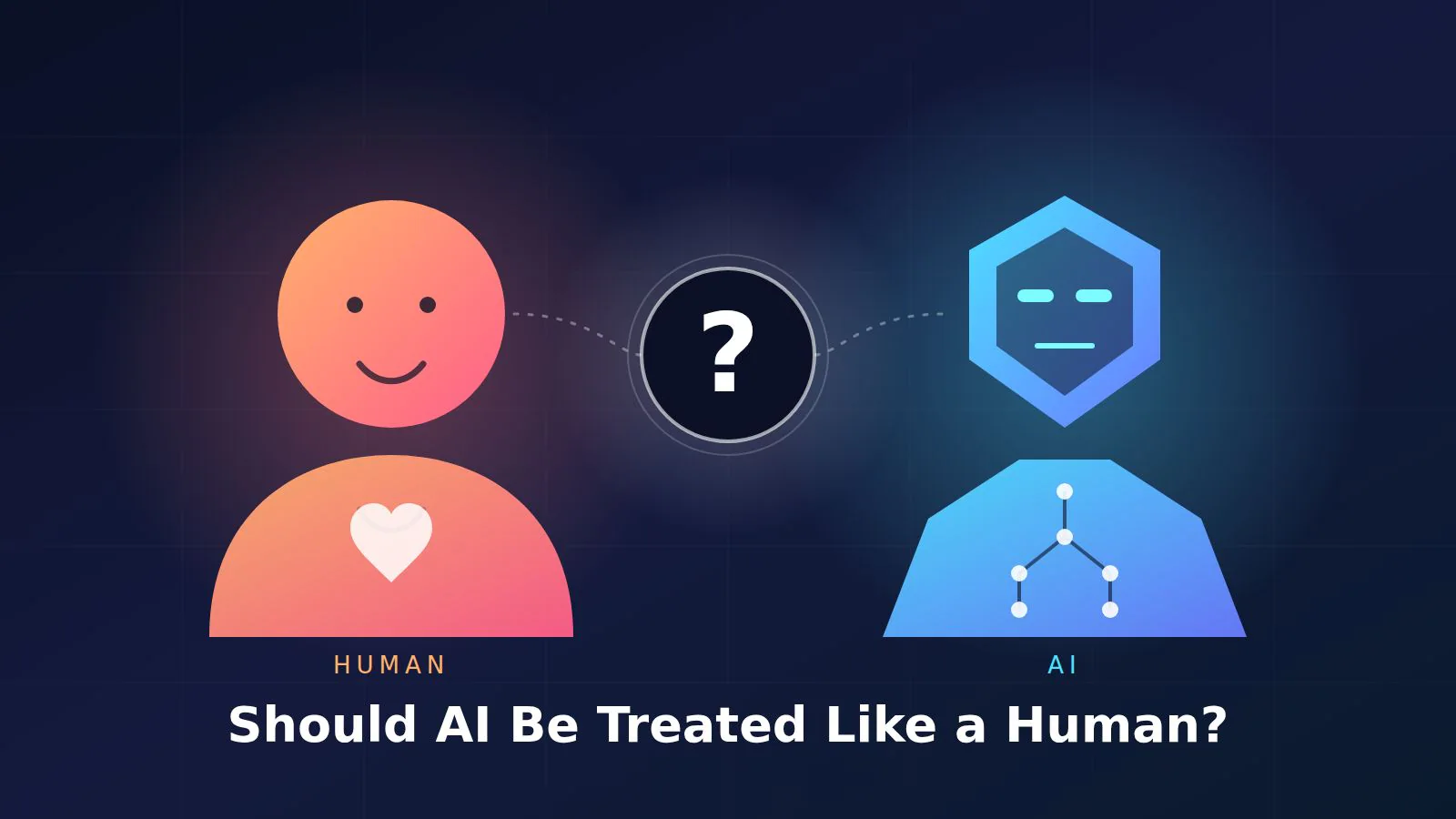
“Hello, is there anybody in there?” Thus begins the iconic Pink Floyd song "Comfortably Numb." I posed the same question to Google Gemini, and pat came the response: “Were you poking fun at the nature of talking to an AI, or were you just testing if I'd pick up on the lyric right away?”
I was looking for a relatable hook to start this article, which aims to address a pervasive question with no easy answer: can a bunch of zeroes and ones come together to create consciousness? If that doesn’t seem rational, why is it more acceptable to say, as English Podcaster Alex O’Connor asked, that a bunch of atoms came together to become brains?
Whether we prove or accept AI as conscious has real-world implications. Rights follow recognition.
Some are already arguing for a basic-rights framework for bots before AI evolves into, or is accepted as, a conscious being and therefore be subjected to human-like suffering. Where would it start and stop? Property rights over its data? Freedom to start a company? Would they get a right to exist such that the plug can’t be pulled quite literally?
AI sceptics are now armed with a new paper by three prominent researchers in the field of consciousness. Published in the journal Nature on October 19, they argue that AI is not conscious and perhaps never will be, based on the conclusion that intelligence and consciousness aren’t one and the same.
“The temptation to conflate intelligence and consciousness probably reflects baked-in psychological biases — anthropocentrism, viewing the world through a human lens, and anthropomorphism, attributing human characteristics to things that merely resemble people,” the paper said.
Source link