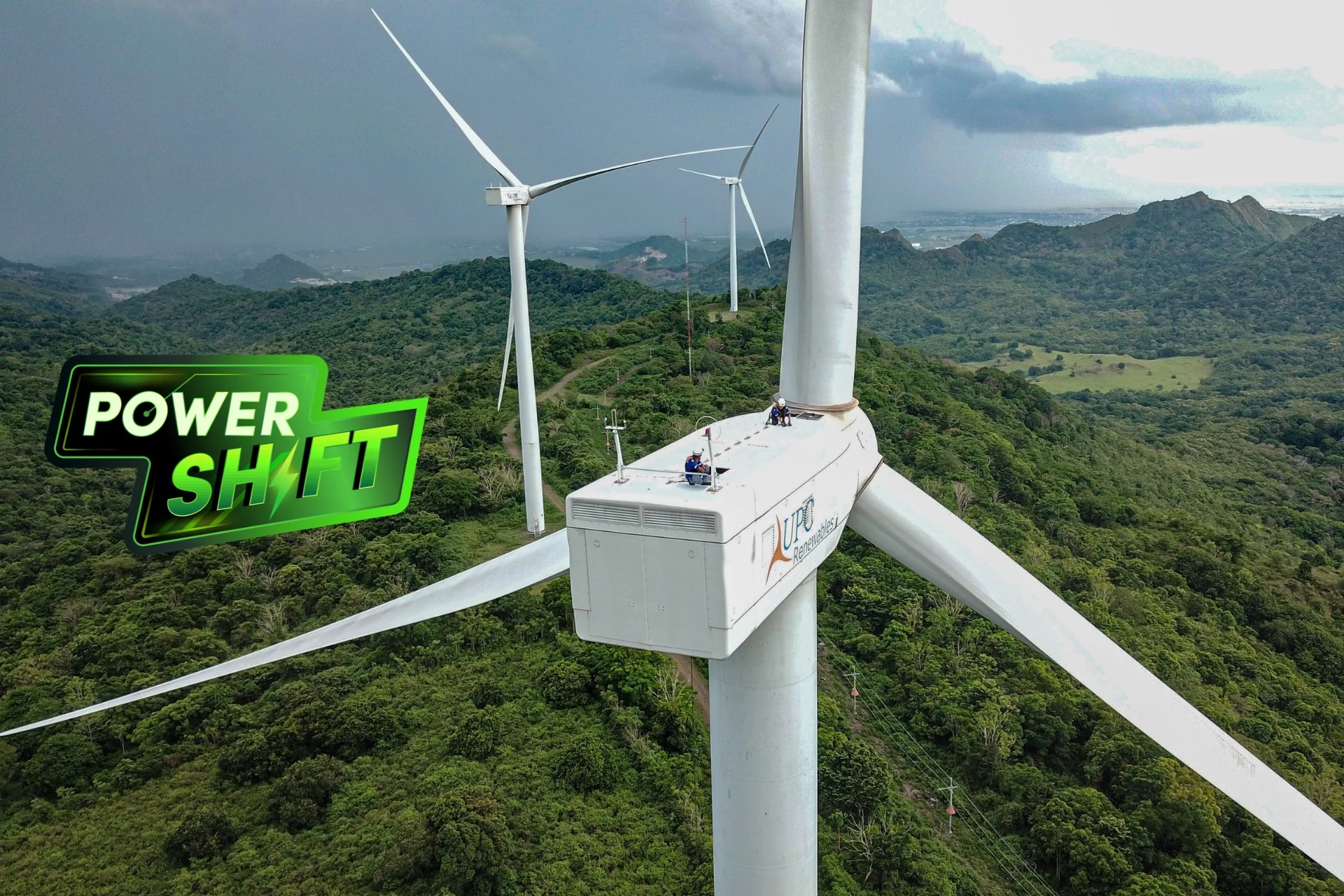
Power Shift is Ellyn Lapointe’s ongoing Gizmodo series that explores advancements in green technology, with a focus on renewable energy, grid modernization, and emissions reduction.
Durability is key to wind turbine engineering. The giant blades are highly exposed to the elements and need to withstand everything nature throws at them for decades, but when they reach the end of their operational lifespan, that durability becomes a problem.
Tossing the blades into landfills takes up huge amounts of space and wastes materials that could be useful if extracted and given new life. The thing is, wind turbine blades are so durable that breaking them down and recycling them presents significant challenges. In a study published today in the Cell Press journal Chem Circularity, researchers present a new approach that could overcome those challenges.
By rapidly heating turbine blade waste using brief bursts of energy, the authors broke it down into silicon carbide and graphene, two valuable manufacturing materials that can be used to improve the mechanical and thermal properties of new blades. And compared to current recycling techniques such as chemical dissolution and heat recovery, this new approach cuts greenhouse gas emissions by 92% and 83%, respectively.
“It can be used to upcycle low-value waste into high-value waste,” lead author Hao Bi, an environmental engineer at Tsinghua University in Beijing, told Gizmodo.
Wind turbine blades are usually made of fiberglass, which contains silica, and a carbon-rich polymer resin. When these materials reach super-hot temperatures, carbon can react with silica to form silicon carbide, an extremely hard, heat-resistant compound.
Source link