
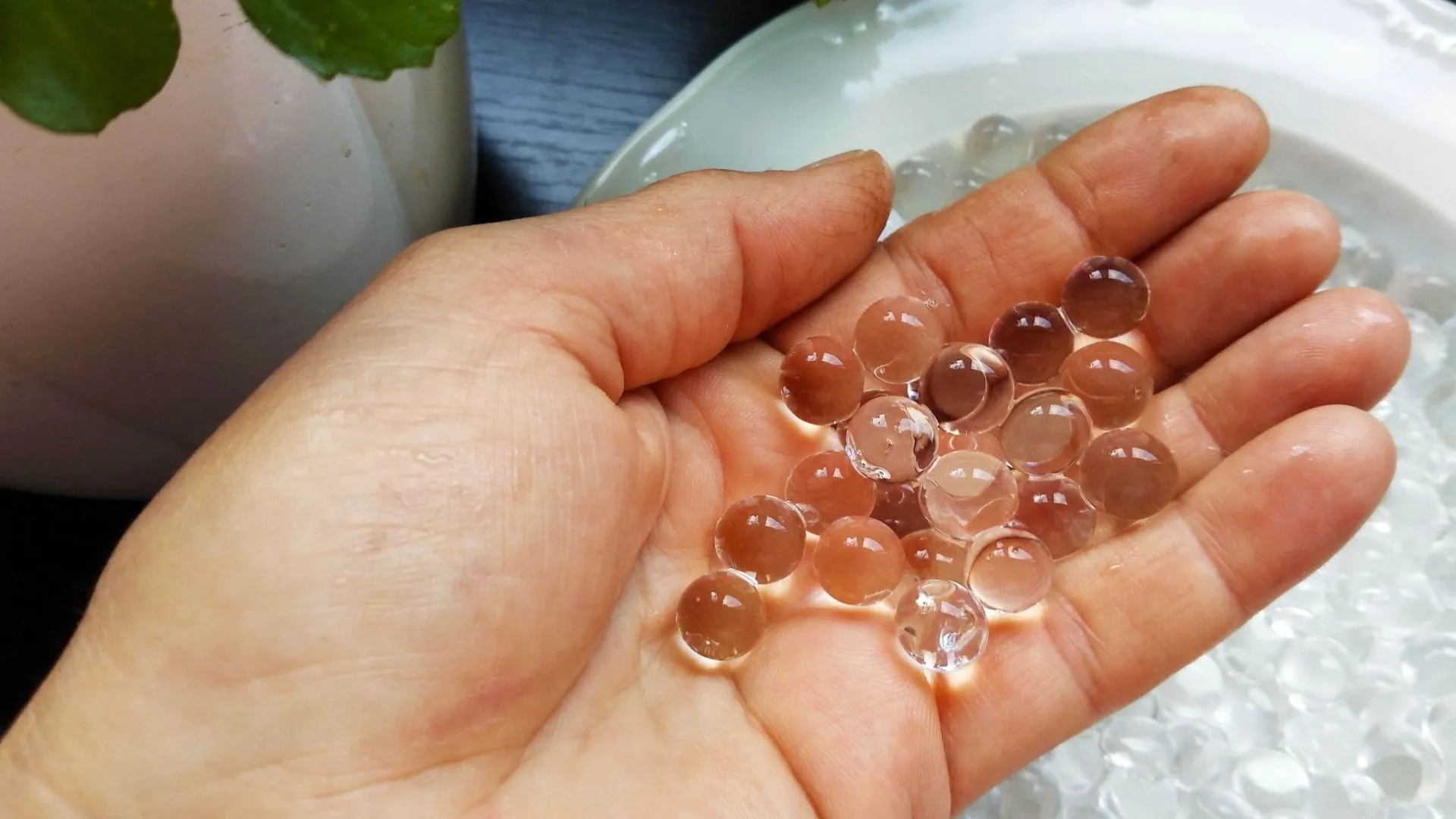
A single exposure to near-infrared light can set off chemical reactions that continue for up to four weeks in a new shape-changing hydrogel developed by researchers in China.
The team created the material to mimic slow biological transformations, including wound repair and embryonic development.
Their system, called STERS, uses gallium-based liquid metal particles to sustain reactions that gradually reshape the gel, offering a possible platform for adaptive tissue scaffolds, brain-machine interfaces and soft robotics.
The research includes laboratory demonstrations involving stem cells and an electrode used to monitor electrical signals during rat embryo development.
Du Xuemin, a study author and professor at the Chinese Academy of Sciences’ Shenzhen Institutes of Advanced Technology, has drawn inspiration from organisms such as sensitive plants and chameleons in his smart-materials research.
He said shape-changing materials had advanced rapidly, with some transformations now occurring within milliseconds. However, slower biological processes presented a different challenge.
“I realized that while organisms undergo rapid shape changes, they also undergo slow long-term evolutionary transformations,” he said, pointing to wound repair and embryonic development.
Tissue-engineering scaffolds often carry active substances to support healing. Du noted that existing materials either changed too quickly or could not morph.
“So I wondered if we could mimic these slower morphological transformation processes in nature to construct slow, shape-morphing materials,” he said.
STERS stands for Spatiotemporally Evolving Reactive Species. The system combines gallium-based liquid metal particles with vinyl monomers, which help drive reactive-species production and hydrogel polymerization.
Near-infrared light activates the process. The liquid metal then sustains reactive-species generation through repeated cycles of surface oxidation and oxide-layer removal.
Source link





