
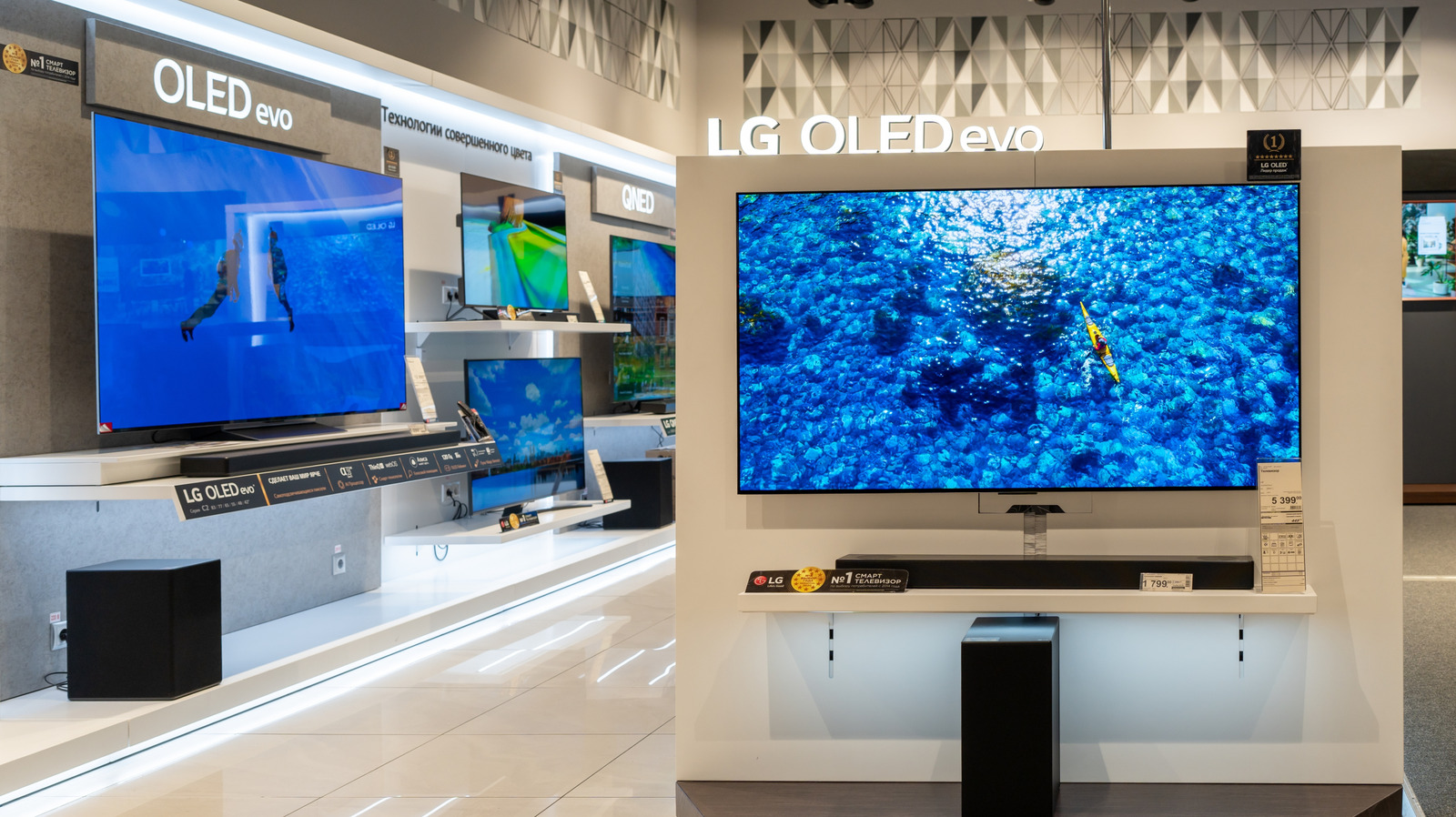
It's not simple to say that one is better than the other.
LG and Samsung continue to dominate the OLED TV market. LG entered the field in 2010 with its humble 15-inch 15EL9500 during the technology's infancy, laying the groundwork for its first 55-inch television in 2012. Throughout the years, LG has slowly built a major foothold in the space with its series of OLED displays. Their crisp colors gives it a unique pop you seldom find in other OLED televisions, even those with more impressive spec sheets.
And you won't find more impressive spec sheets than Samsung OLEDs. Since its return to the OLED TV market in 2022, the company has invested heavily in display-panel innovations to carve out its own niche. Samsung's QD-OLEDs are arguably the sharpest-looking OLEDs you'll find in consumer-grade hardware, outperforming LG's panels in color saturation. Based on that, you might think Samsung would be the clear winner for OLED TVs, yet LG's latest OLED innovations make the decision less black-and-white.
Samsung has continued to struggle to provide accurate information about its televisions, obfuscating which panel technologies it uses. LG has faced similar criticism for its major quality concerns with the launch of the G6. Finding the perfect television goes far beyond finding a good panel type. The brand, the television's software and your viewing area should play a key role in your decision.
OLED televisions come in three display panel types: WOLED, QD-OLED, and RGB Tandem OLED. WOLED is the most common display type that LG pioneered and continues to innovate on .
Source link





