
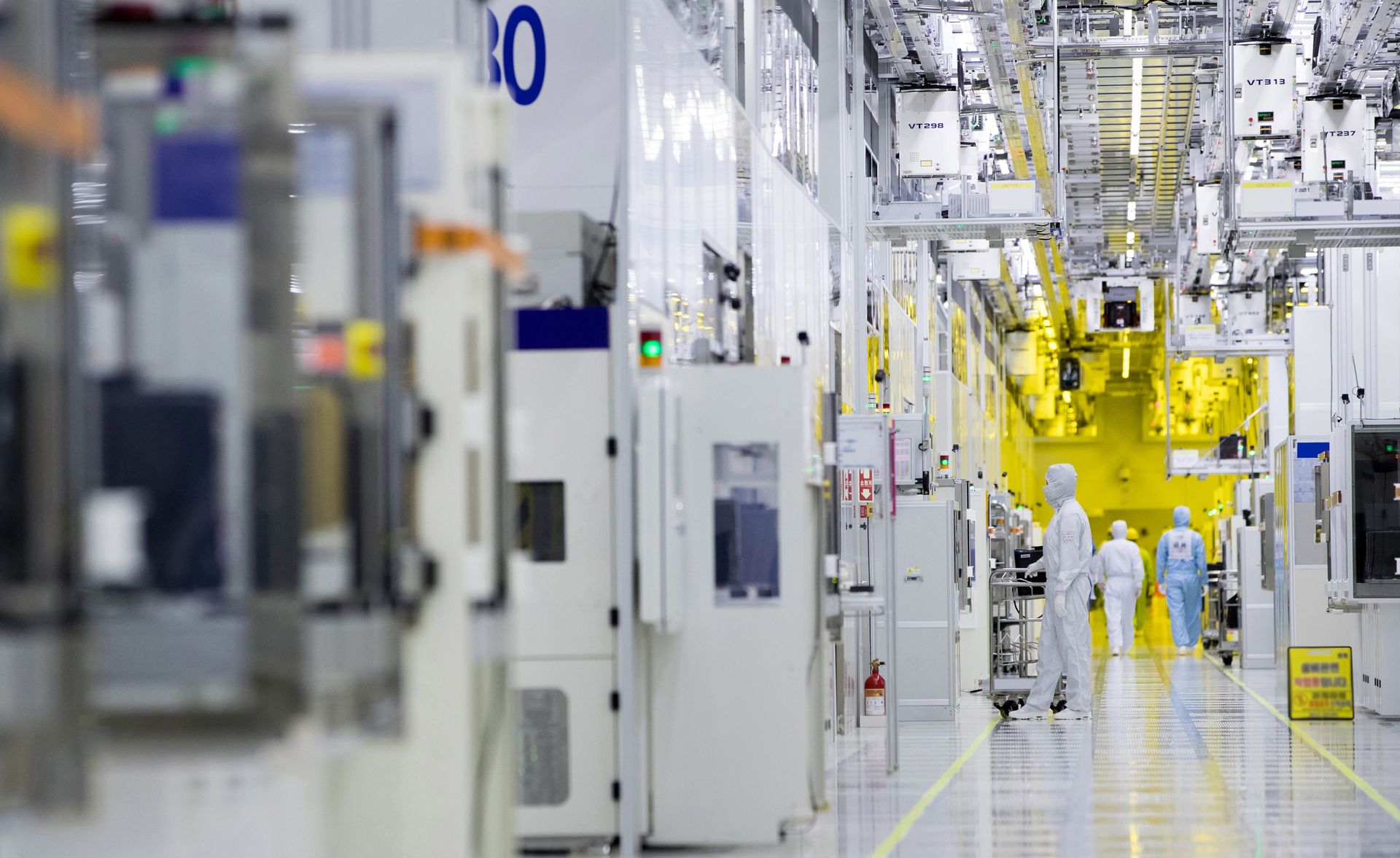
Samsung Electronics, SK hynix, and Micron are reportedly working together to develop common charging standards for mobile robots used in semiconductor fabrication plants, according to a new report. Representatives from the three companies have reportedly formed an early-stage consultative body to lead standardization efforts, alongside major industry stakeholders such as the Semiconductor Equipment and Materials International (SEMI) industry association.
According to a report by Seoul Economic Daily, the initiative aims to establish common technical specifications that would allow robots from different manufacturers to share charging equipment, reducing the cost and complexity of deploying large robotic fleets across semiconductor manufacturing facilities. The broader goal is to accelerate factory automation, particularly in older fabs, while laying the groundwork for fully autonomous semiconductor manufacturing.
So why are three of the world's biggest memory manufacturers, who are also competitors, coming together to establish standards for the robotics industry? What exactly does the collaboration involve? And what are the implications of something as seemingly minor as robot charging for the broader semiconductor and robotics industries?
Soaring demand for semiconductor memory chips used in AI infrastructure has driven manufacturers to automate as many production processes as possible to optimize manufacturing speed and capacity in existing facilities to increase output, while they build additional fabs . Modern semiconductor fabs already have extensive automation systems. However, even these facilities still require human workers for certain operations, such as moving materials between floors and unpacking products, that existing automation systems cannot perform. The issue is even more pronounced in older fabs, which generally have fewer automated material-handling systems and still rely on workers to move wafer containers using manual carts.
Source link





