Life, it seems, wants to play. Anyone who’s ever spent ten minutes with a five-year-old knows this perfectly well: very young children are masters at make-believe. And it’s not just people—play comes instinctively across the animal kingdom. Rats are fond of rough-and-tumble play, especially after periods of isolation. Octopuses will toy with Legos in much the same way that a newborn will play with blocks. Far from being a useless pastime, play appears to be a fundamental feedback mechanism between individuals and the external world, a kind of informal investigation into the basic rules governing physical and social environments. As the American Academy of Pediatrics once put it: “Play and learning are inextricably linked.”
Machines are different: they’re engineered to follow strict rules, formulas, algorithmic dictates. True, modern AI systems are unlike other kinds of machines in that they’re able to learn over time, at least in a narrow sense of the term. But machine learning is at its core a top-down process: AI models are trained to perform certain goals—“objective functions” in tech industry parlance—graded on their performance, and then they hone their strategy from there. But those goals, and the criteria for success or failure, are established by humans.
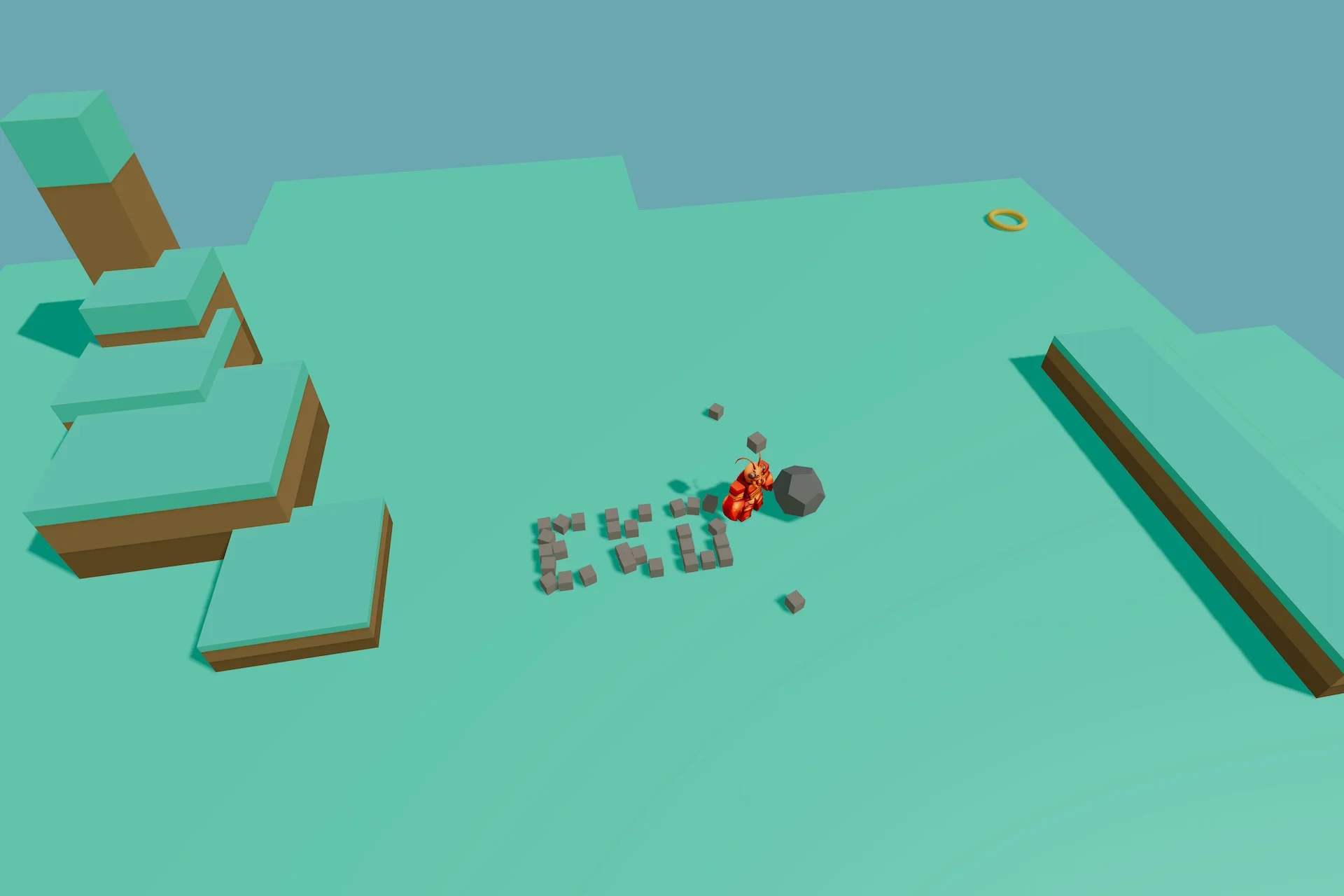
Which raises the question: What would happen if you were to allow an AI system to train itself from the ground up? We know from decades of developmental psychology that young humans and other animals learn about the world by actively engaging with it, largely through play.
Source link