Imagine driving across the country, enjoying a road trip and minding your own business, only to get pulled over because AI decided your route looked suspicious. That's what one Virginia woman says happened to her, and privacy advocates warn that similar encounters could become more common.
According to a new report released on Monday from the American Civil Liberties Union, police are using automated license plate readers and AI-powered analysis more often to identify drivers based on their travel patterns, even when there's no evidence they've committed a crime.
The technology can piece together where a vehicle has traveled, how often it visits certain locations and whether its movements fit patterns investigators consider suspicious.
While license plate readers have been used for years to identify stolen vehicles and help solve crimes, AI is making it possible to analyze much larger collections of driving data. The concern is that an otherwise ordinary trip could become grounds for additional police scrutiny.
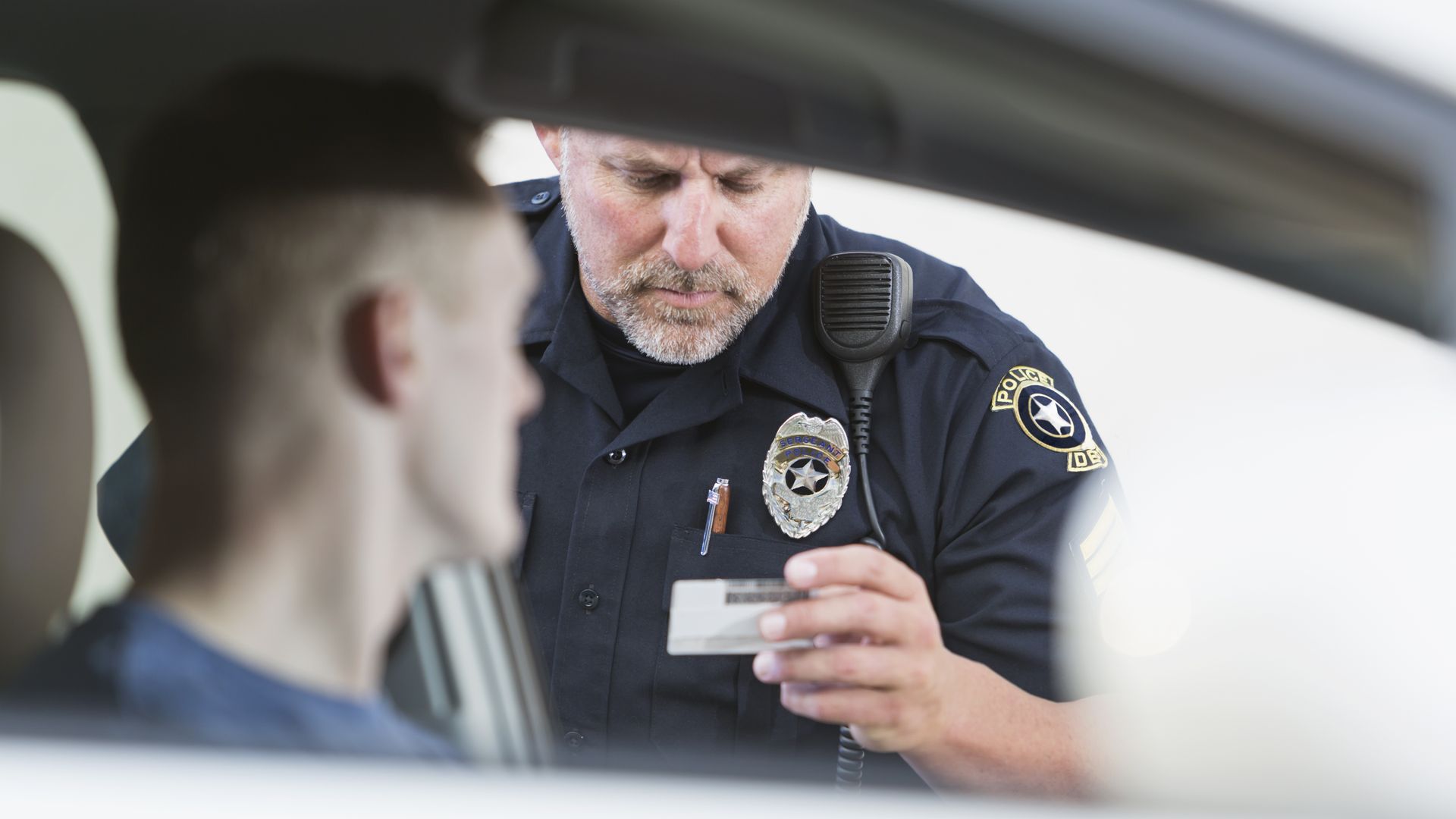
In September 2025, Grace Knowles was driving from northern Virginia to Florida when she was pulled over by an officer who claimed she'd spent too much time in the left lane.
But according to her account to the ACLU, the officer seemed more interested in her travel history than her driving. He asked where she'd been, why she was traveling and whether she could prove she'd recently visited New Orleans. Knowles eventually showed him a pamphlet from a museum she'd visited.
The officer then identified himself as an FBI special agent investigating human and drug trafficking.
Source link