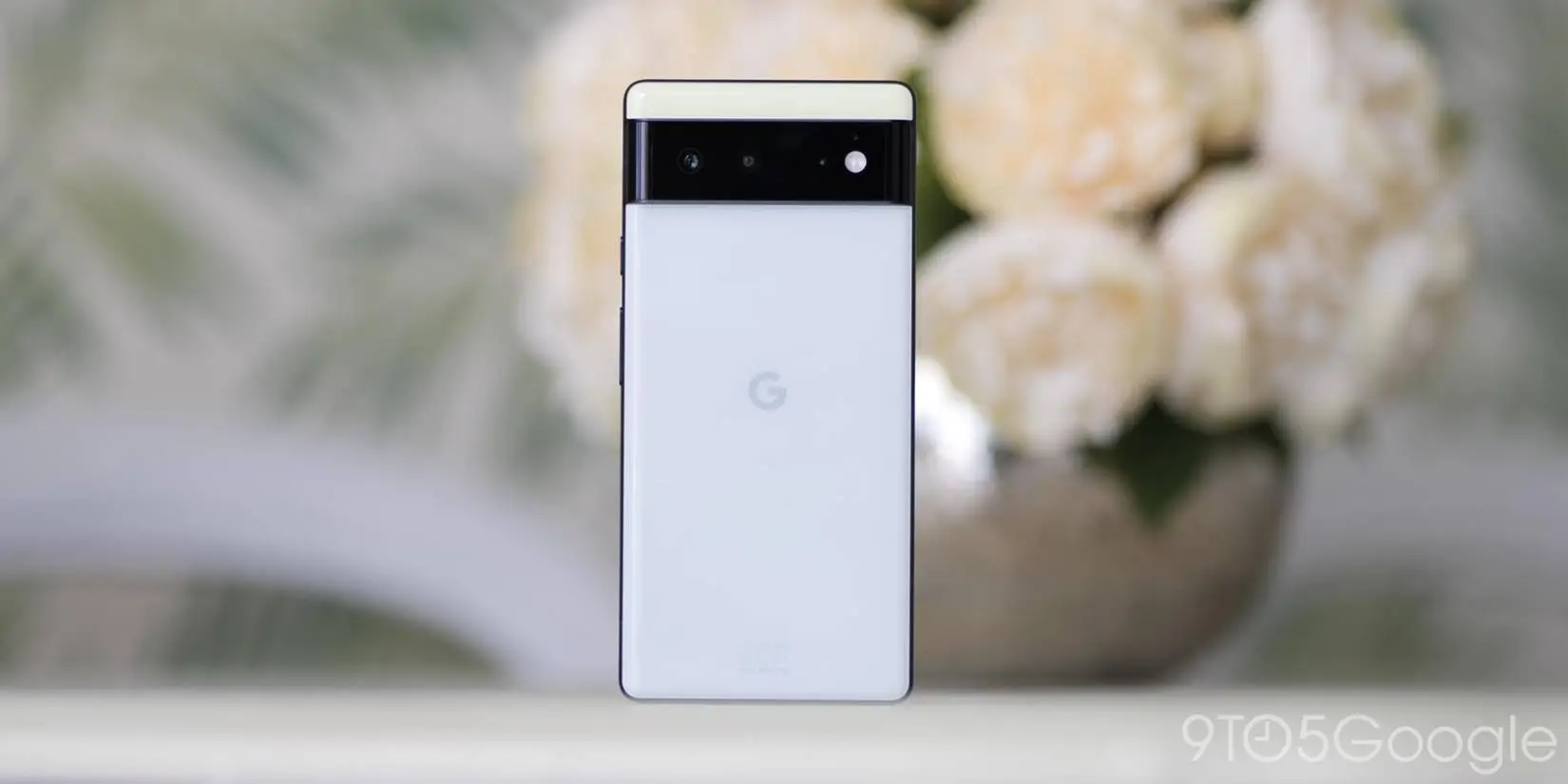
I think there are few smartphones in the past decade that have arrived carrying the sheer weight of expectation that greeted the Pixel 6 and Pixel 6 Pro in late 2021. Now on life support, just what did we learn from 2021’s reboot for the brand?
There was a lot of bubbling hype around ahead of Made by Google before the Pixel 6 was unveiled. I think a lot of that is due to just how flip-flop the Pixel lineup had become after years of identity crises, weird experimental gestures, compromised battery sizes, and following on from the charming but overtly mid-range Pixel 5, Google said enough was enough and finally decided to swing for the fences.
I think fans hoped that Google was done playing nice and coming second to Samsung and Apple. The Pixel 6 series was built to make a statement, introducing a brand new design language, custom silicon in the shape of Google Tensor, huge camera sensor upgrades, and a shockingly competitive price tag.
Yet, looking back with years of hindsight, the Pixel 6 duo remains one of the most polarizing Google releases, probably ever, but we can’t get away from the important fact that it laid the technological foundation for everything Pixel represents today, but it did so while putting early adopters through a gauntlet of software bugs, sluggish biometrics, thermal throttling, and atrocious cellular connectivity.
So with that in mind, this is the Google Pixel 6 and 6 Pro: the good, the bad, the ugly, and how this turbulent reboot shaped the future of Pixel.
Source link