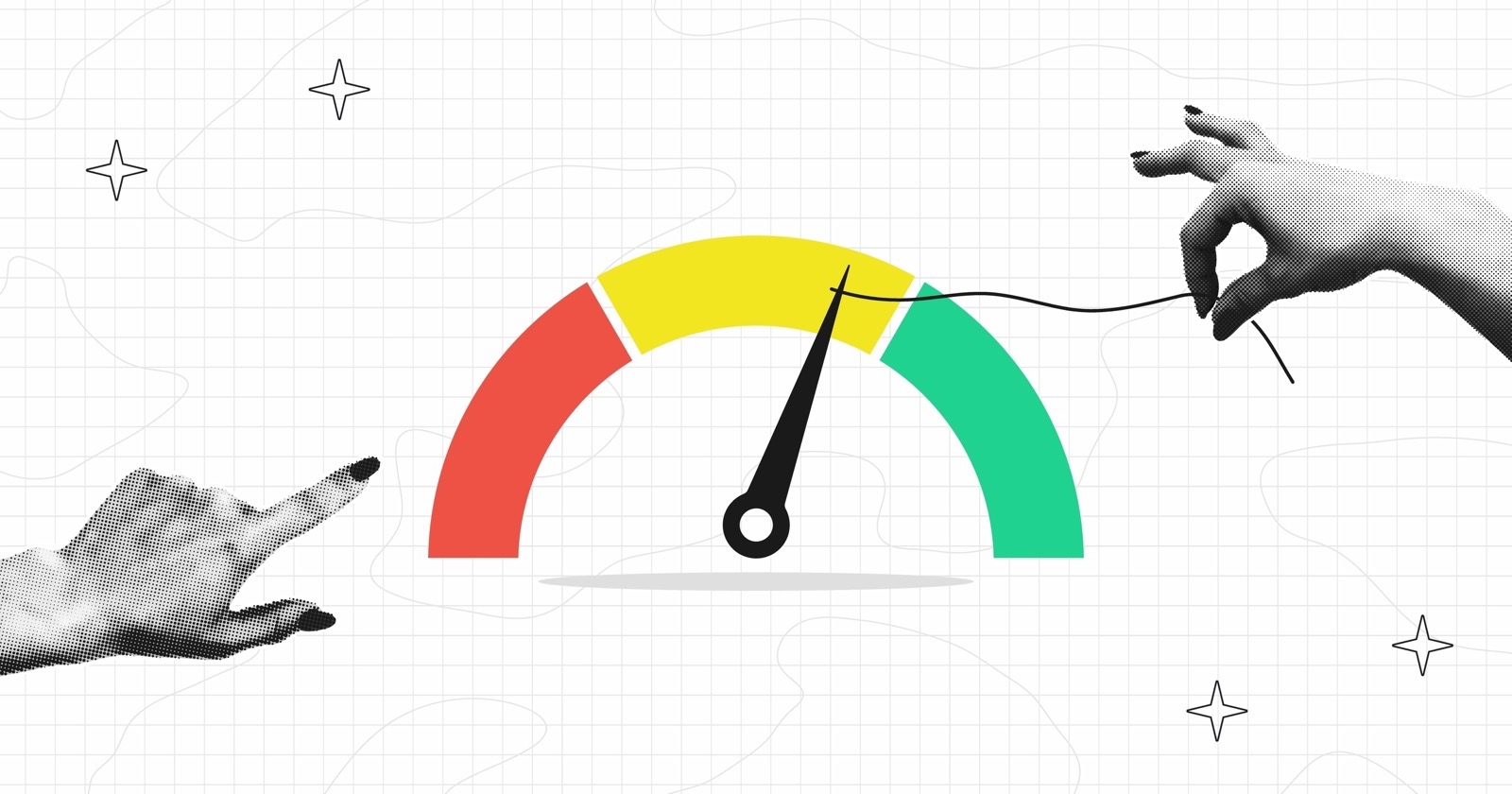
A Google Lighthouse update changes how PageSpeed Insights simulates page loads, which can raise lab scores on pages that haven't changed.
PageSpeed Insights is now using Lighthouse 13.6.0, which was released Oct. 27. This version of Lighthouse changes how it simulates how long a page takes to load.
Chrome’s Web Performance Developer Advocate, Barry Pollard, has stated on Bluesky that the updated version of PageSpeed Insights with Lighthouse 13.6.0 is now available. He said this improves the simulated FCP (First Contentful Paint) and the simulated LCP (Largest Contentful Paint), both of which Pollard says will be more accurate than before and generally result in higher scores.
A page may receive a different PageSpeed Insights score without anything on it changing, due to the change in the test. Pollard also said that websites heavily dependent on JavaScript would be more likely to see an impact from the updated test.
Pollard quoted a developer who had posted about how single-page apps (SPAs) had seen a big improvement in their results since the Lighthouse update, citing react.dev. He opened his post stating, “True!”, then added:
“Note this is not SPA-specific (and unrelated to other SPA things we’ve been working on), but more likely to impact JS-heavy sites.”
The experimental soft navigation metrics in Chrome that I wrote about back in October are a separate way of measuring user experience. The data comes from real Chrome users through the Chrome User Experience Report (CrUX) and Lighthouse uses a simulated test.
By default, Lighthouse will load a page at full speed and then estimate how it would load on a slower connection.
Source link