“Like riding a broomstick in a hurricane.” This is reportedly how one SpaceX engineer described the intense atmospheric reentry of the first Falcon 9 rocket to go to space and then successfully land back here. That moment, on December 21, 2015, marked the beginning of a dizzying decade-long spell for the space sector, as engineers no longer had to worry about getting their technology into space. Now, the industry’s main challenges were building enough satellites, raising enough capital, finding enough customers.
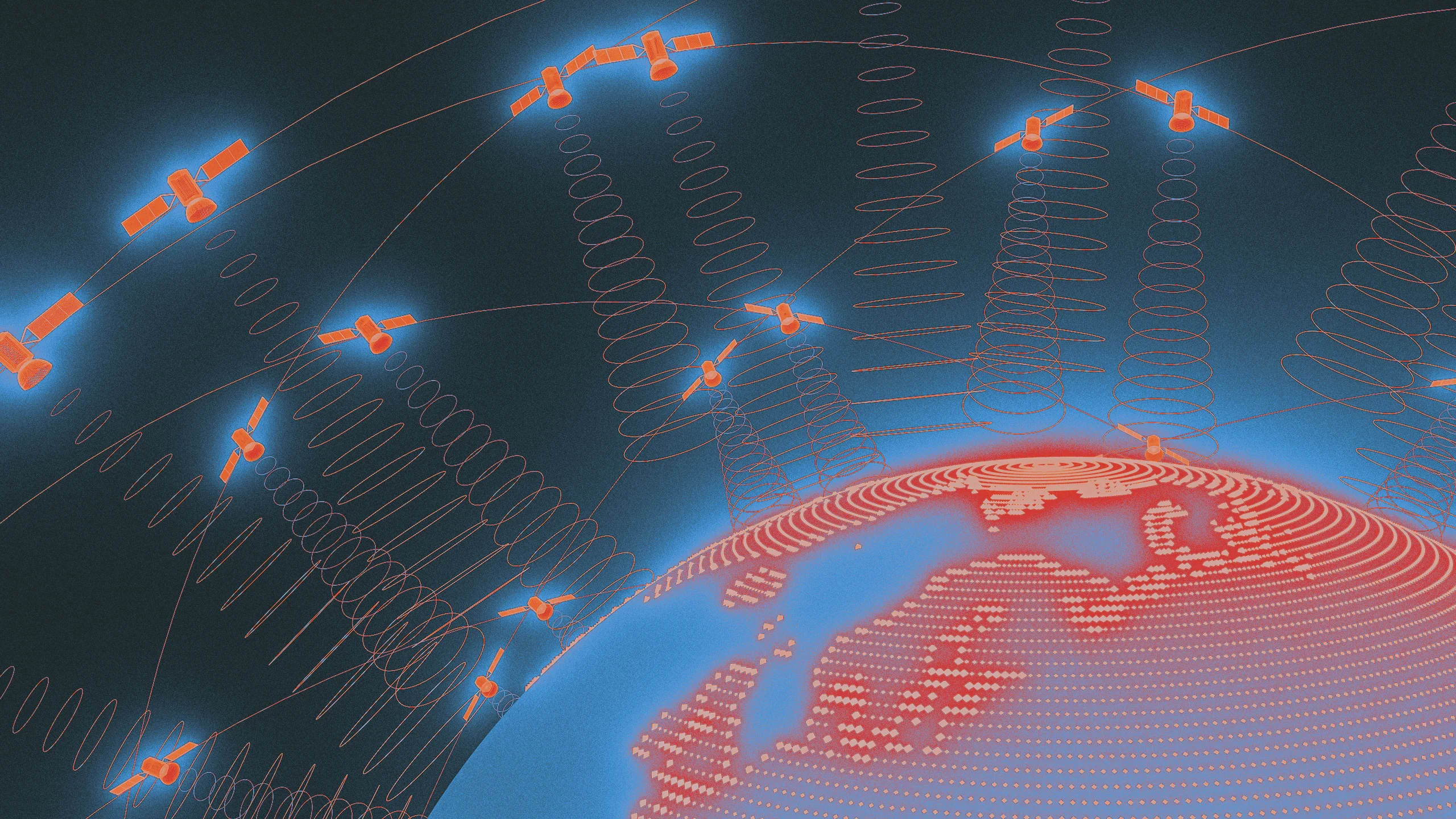
It’s important to remember how fundamental space is to ordinary life. It’s no exaggeration to call it the backbone of the world economy. Satellites tell ships, aircraft, cars, and phones where they are; keep large parts of the financial system and communications networks on time; carry data across oceans and remote areas; forecast the weather; and watch crops, roads, fires, floods, and supply chains. And that’s to say nothing of defense. Satellites let armed forces communicate, navigate, track threats, guide weapons, and see what’s happening far beyond what they can see.
With Falcon 9, SpaceX slashed the cost of reaching orbit. It increased the frequency of launch and, through reusability, it transformed launch from an infrequent, bespoke event into something closer to normal. The satellite operator SES, where I spent three decades, including as CTO, had been SpaceX’s first commercial customer to launch a satellite to geostationary transfer orbit in 2013. We became the first commercial customer to fly on a reused Falcon 9 booster.
But things change. And SpaceX is now moving into its Starship era.
Source link