Climate change itself is increasingly fueling climate change. Rising concentrations of greenhouse gases are driving up global temperatures, setting off dangerous feedback loops that we have not fully accounted for in our climate models—or our emissions-reduction goals.
Scientists have long warned that warming would propel further warming in various ways, but a growing number of observations and studies are at last providing a sharper sense of just how powerful these cascading effects could be. And, by extension, they’re showing how much faster the planet may warm in this century.
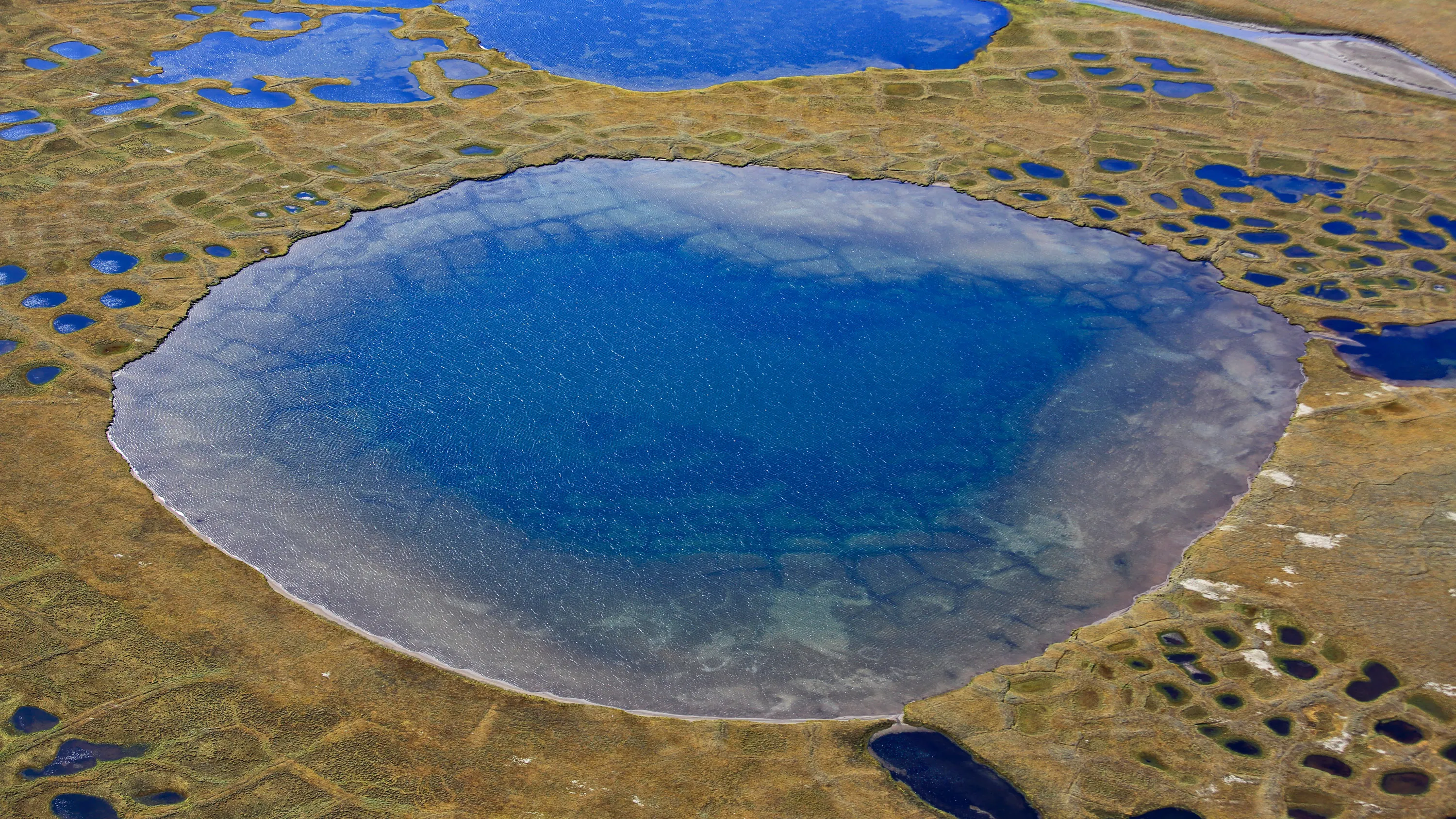
A study in Environmental Research Letters in September, synthesizing the results of previous papers, found that the additional carbon dioxide and methane released from thawing permafrost, intensifying wildfires, hotter lakes and reservoirs, and wetter, warmer wetlands alone could drive global average temperatures up 0.2 °C to 0.4 °C this century. That would come on top of the 2.6°C of warming above preindustrial levels that modelers are already expecting through 2100. The additional heat could subject many of the world’s cities to monthslong heat waves and expose hundreds of millions of people to flooding.
None of the models that inform the major UN climate reports, which assess how much the planet will likely warm under various emissions scenarios, account for all these feedback effects. Many of them don’t incorporate any. That leaves a huge blind spot in our understanding of how much the world could actually warm in the coming decades—and how rapidly nations will need to slash emissions to stay within critical boundaries.
Source link