
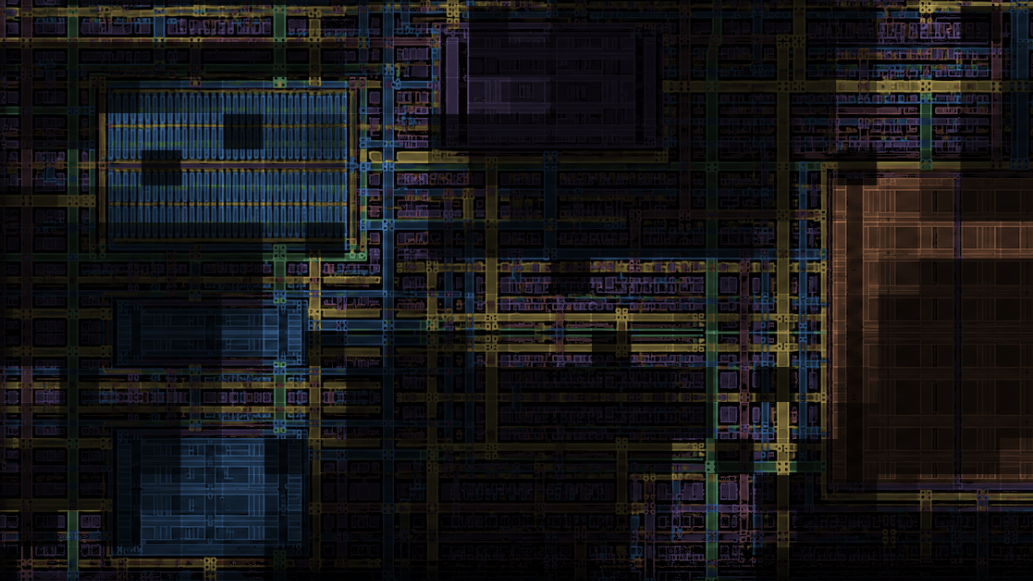
OpenAI just revealed new details about its ongoing partnership with AMD, in which engineers used undisclosed AI models to help optimize the hardware maker's upcoming flagship GPU and CPU designs. The leading figures are up to 14% PPA (power, performance, and area) improvement for the GPU circuitry, and unspecified single-digit PPA gains on the processor.
OpenAI says that its model spotted "further improvements by rewriting the code that describes the chip’s circuits." This work was done in SystemVerilog RTL, the language commonly used for high-end chip design. The firm claims that its models' optimization efforts are equivalent to condensing a year's worth of conventional chip design work into "under 5 months" — a time crunch it says is unprecedented in this arena.
Furthermore, OpenAI says its model was reasoning on RTL "at the level of an expert microarchitect," and that it expects to squeeze further PPA improvements in both GPU and CPU designs, up from the now-improved baseline.
This isn't AI's first time working on chips. It worked with Broadcom on designing OpenAI Jalapeño, an inference-targeted chip that was already running actual workloads with engineering samples as far back as June 2026.
The company expected to have small initial Jalapeño deployments around late 2026, and pinned a broader rollout to 2027. Test benchmarks have been out for a while, displaying purported excellent savings on power draw and overall latency versus the market-leading Nvidia Blackwell GPUs in single-token prediction workloads.
The blog post also explains how GPT's chip-design acumen evolved. The researchers tested its high-end LLMs by asking them to improve PicoRV32 and Ibex chip cores.
Source link





