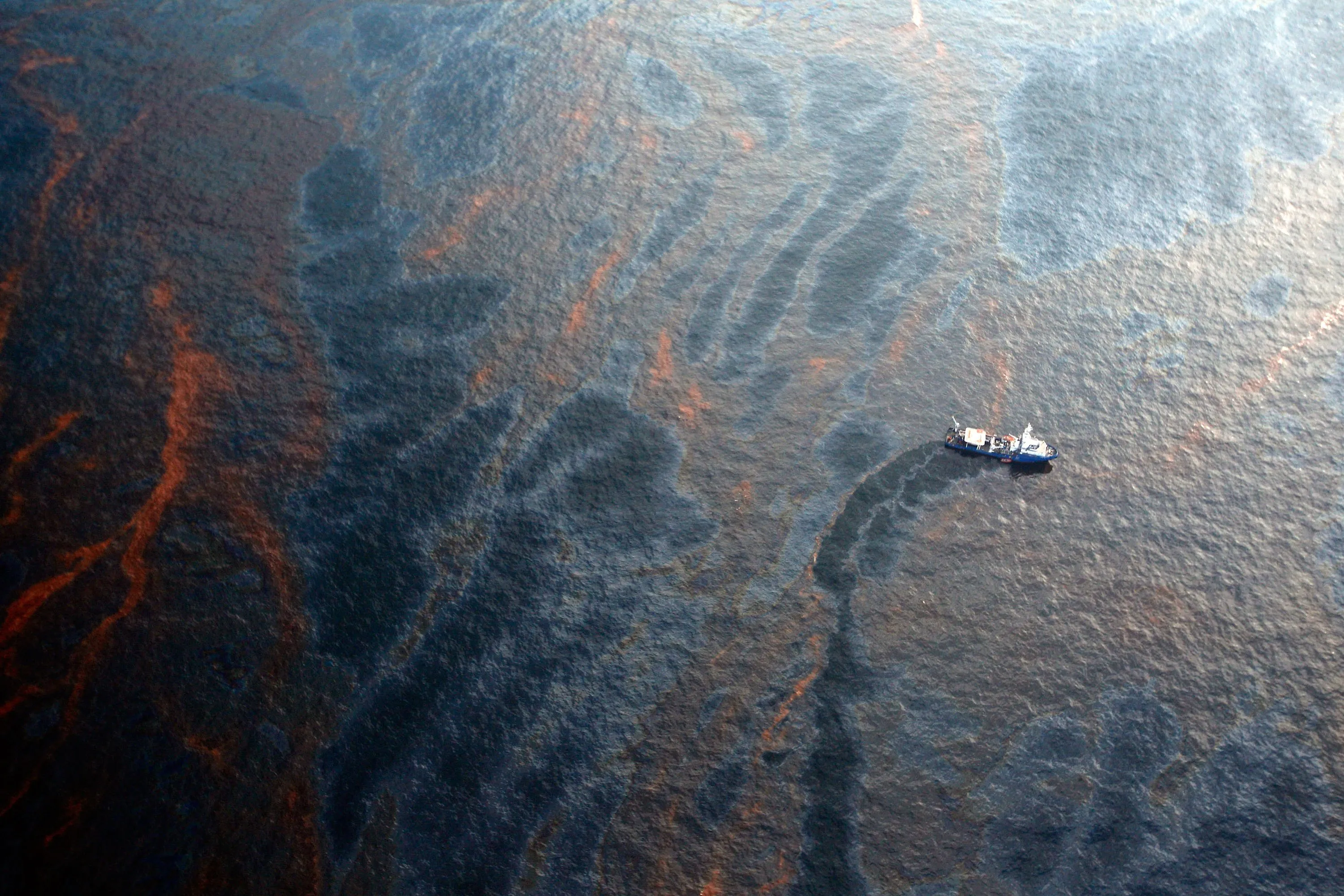
Across hundreds of miles of the northern Gulf of Mexico, a deepwater ecosystem collapsed after the massive 2011 Deepwater Horizon oil and gas spill, and recovery is uncertain, new research concludes.
The study, published Monday in the Proceedings of the National Academy of Sciences, found that animal populations—including octopus, krill, squid, and shrimp—declined by 60 to 85 percent in the three and a half years after the spill, with few signs of recovery since. Krill and lanternfish, both foundational species in the Gulf’s food web, were among the hardest hit. The findings also suggest that the die-off is causing genetic bottlenecks that could further hinder ecosystem recovery.
The researchers identified it as the “fastest and most severe faunal decline reported for Earth’s largest ecosystem type” ever documented. The widespread die-off of marine organisms may also reduce the ocean’s ability to transport carbon dioxide from the atmosphere to the deep sea. After ruling out other factors, such as water temperature and oxygen levels, the researchers identified the Deepwater Horizon blowout as “the most parsimonious explanation” for the ecosystem’s collapse.
Comprehensive natural resource damage assessments and restoration efforts involving federal, state, and tribal trustees are ongoing. In 2016, BP agreed to a $20.8 billion settlement, including up to $8.8 billion for environmental restoration.
” They said their findings also show that proposed industrial deep-sea mining could damage the ecosystem before baseline conditions are assessed.
Source link