
Home / Technology / Tech News / NIT Rourkela develops solar-powered EV charging system for grid stability
The patented microgrid combines solar power, batteries and supercapacitors to manage electricity demand, reduce stress on conventional grids and support two-way EV charging
Hemant Kumar Rout Bhubaneswar 4 min read Last Updated : Nov 16 2026 | 8:04 PM IST
With the growing adoption of electric vehicles (EVs) putting additional pressure on electricity networks, researchers at the National Institute of Technology (NIT), Rourkela, have developed a new technology that could make EV charging stations more efficient, reliable and sustainable while reducing stress on conventional power grids.
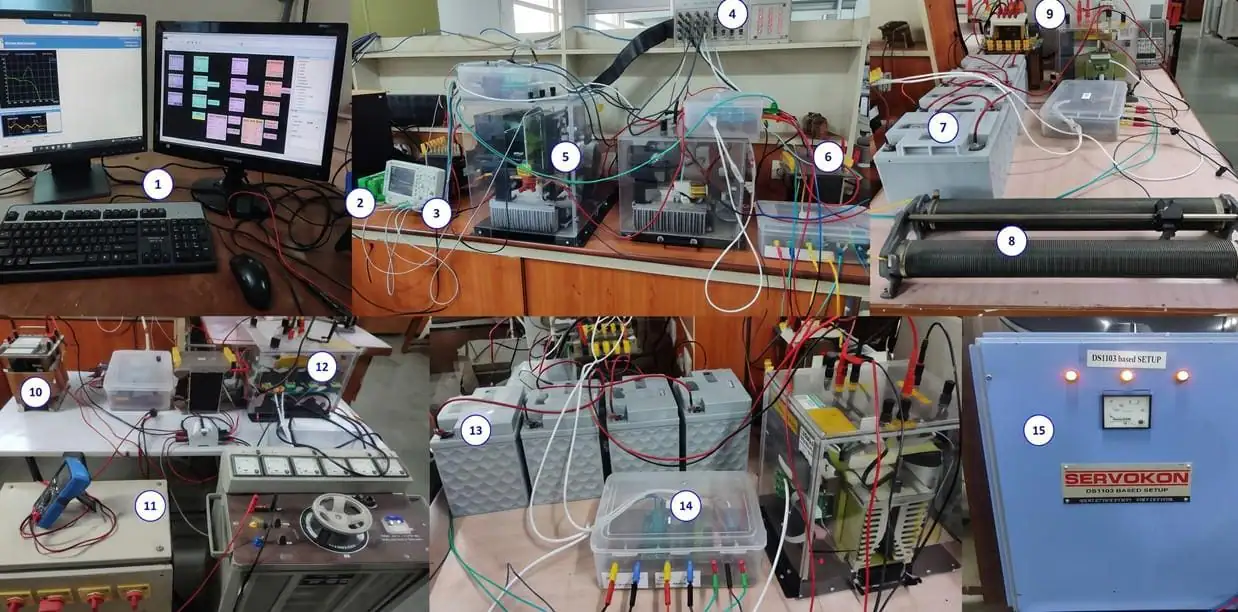
The researchers have designed and developed a solar-powered EV charging microgrid that integrates solar panels, the conventional electricity grid and a specialised energy storage system, combining batteries and supercapacitors to manage fluctuations in power generation and sudden changes in electricity demand. They have secured a patent for the technology.
The innovation, they claimed, can address some of the key engineering challenges associated with expanding EV charging infrastructure, particularly the impact of multiple vehicles charging simultaneously and the intermittent nature of renewable energy.
According to the researchers, one major challenge in expanding EV charging infrastructure is managing sudden spikes in electricity consumption when several vehicles draw power simultaneously.
Such surges can place considerable stress on local distribution networks, affecting their stability and reliability. The problem becomes more complex when charging stations rely partly on solar power, as electricity generation fluctuates with weather conditions, cloud cover, seasons and the time of day, they said.
Source link





