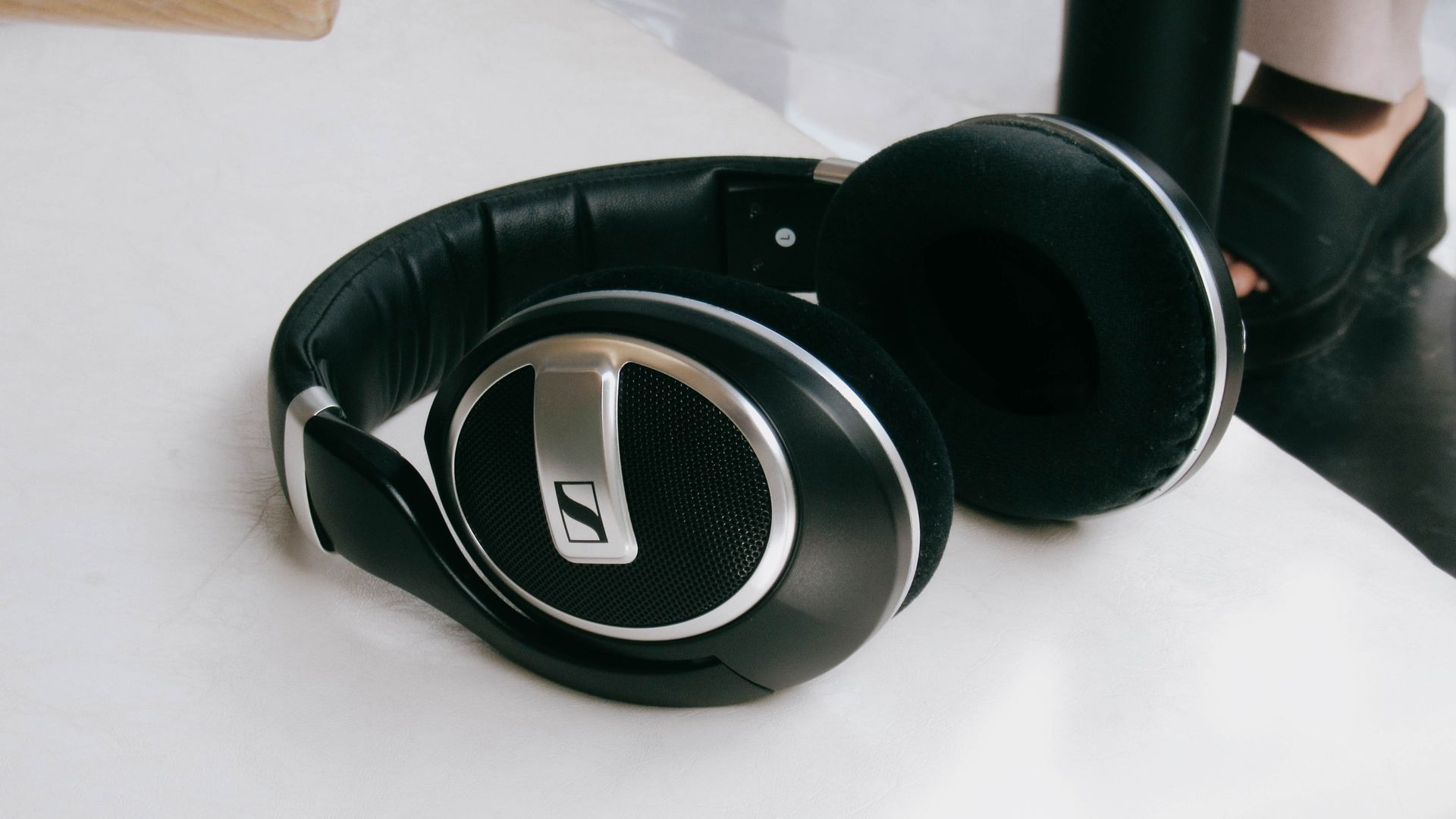
The Bluetooth Special Interest Group (SIG) just announced the new Bluetooth High Data Throughput (HDT) feature on November 4, allowing a maximum bandwidth of 7.5 Mbps, almost 4x that of the previous Bluetooth LE 2M (2 Mbps). The new bandwidth is intended for high-bandwidth interactions between devices, such as AI, spatial computing, and even lossless audio transmission; the latter of which may finally satisfy audiophiles and their enjoyment of uncompressed audio.
Bluetooth HDT is Bluetooth’s new feature allowing for up to 7.5 Mbps of bandwidth. This new feature is needed by sophisticated modern devices that use a lot of data in their communication. It could be smartwatches, AI, or even extended reality (XR); less sophisticated but high-bandwidth, however, is lossless audio, which Bluetooth has never had enough bandwidth for, until HDT, that is.
Purists have long since criticized Bluetooth, but HDT may finally be the feature that satisfies them. Audiophiles have always preferred wired over Bluetooth, especially those who prefer lossless audio over compressed formats. Bluetooth LE 2M, even with its 2 Mbps bandwidth, cannot reliably transmit CD-quality 1.4 Mbps lossless audio, so it gets compressed through various means: SBC, AAC, aptX, LDAC, LC3, etc., and for audiophiles who want to listen to their lossless audio, compression is a downgrade to their experience, even if they likely can’t tell the difference between lossless and a high-quality 320kbps MP3 file.
However, HDT not only offers higher bandwidth but also improved reliability for consistent communication and uses even less power, as stated on Bluetooth’s feature enhancements page, which adds that HDT provides the capacity, efficiency, and wireless performance needed for high-resolution and lossless audio.
Source link