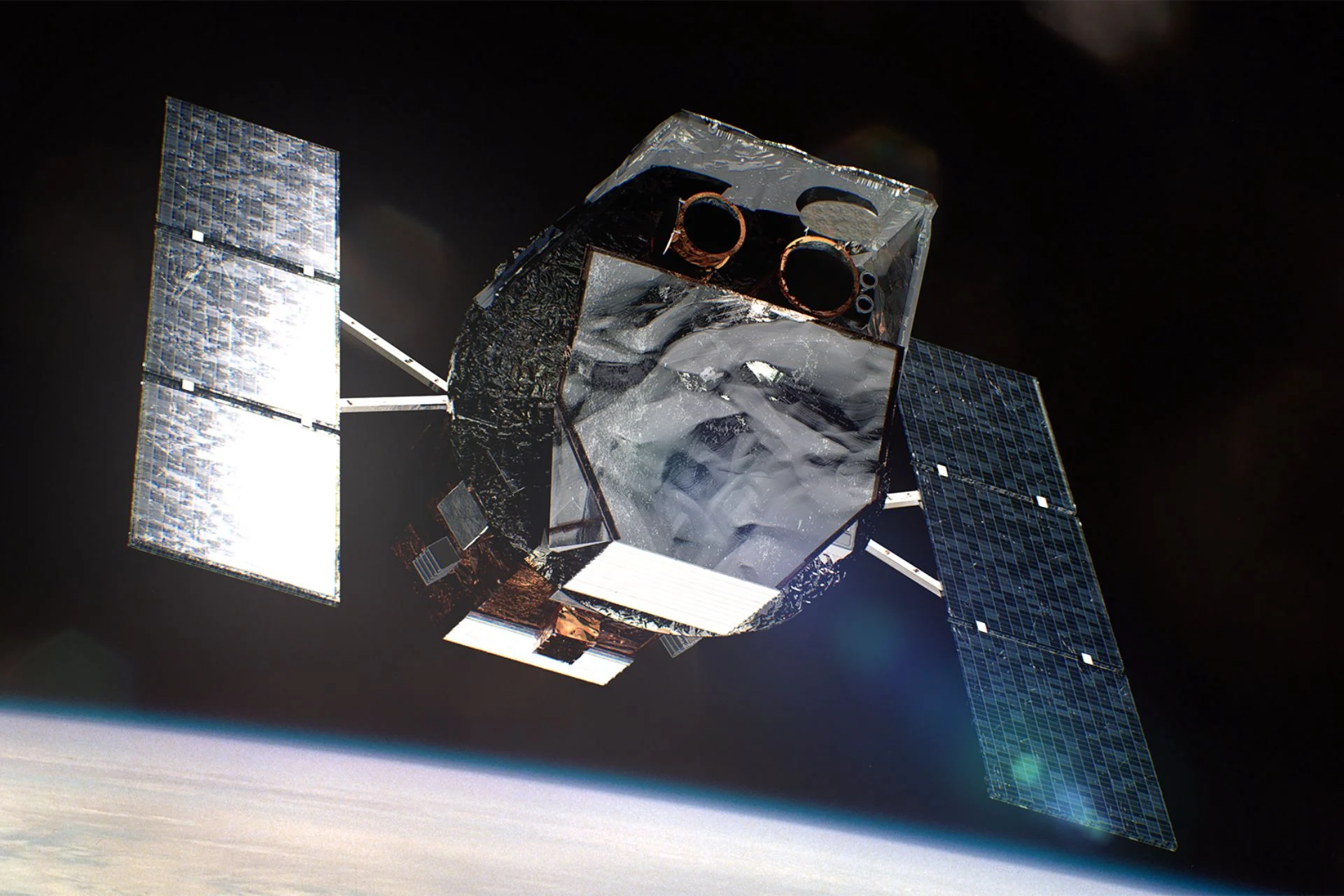
After a rescue mission failed to save NASA’s Neil Gehrels Swift Observatory, the doomed spacecraft is due to plummet back to Earth in a blaze of fire this week. Most of Swift should burn up in the atmosphere, but experts believe some of its internal components could survive reentry.
“That wouldn’t be surprising,” Jonathan McDowell, an astrophysicist and honorary professor at Durham University who has spent decades tracking objects in orbit, told Gizmodo. “It’s about a ton-and-a-half spacecraft, and satellites of that size often have some fraction—like 10%—survive reentry.”
That’s especially true for astronomy satellites like Swift, which tend to have dense telescope mirror equipment and other components, McDowell said. “It wouldn’t be surprising if at least 100 kilograms [220 pounds] or so survive reentry.”
Swift spent nearly 22 years in orbit studying gamma-ray bursts, the most powerful explosions in the cosmos. Launched in November 2004, the mission was only supposed to last two years. Over the course of its surprisingly long career, the telescope observed more than 2,000 gamma-ray bursts, 1,400 supernovae, and other cosmic phenomena that have led to about 7,000 published papers, according to NASA.
All good things must come to an end, however. Swift has gradually lost altitude over the last two decades, as all satellites do, but recent spikes in solar activity helped accelerate its orbital decay. In September 2025, NASA tapped Katalyst Space Technologies of Flagstaff, Arizona, to launch a mission to boost Swift’s orbit and extend its operational lifespan.
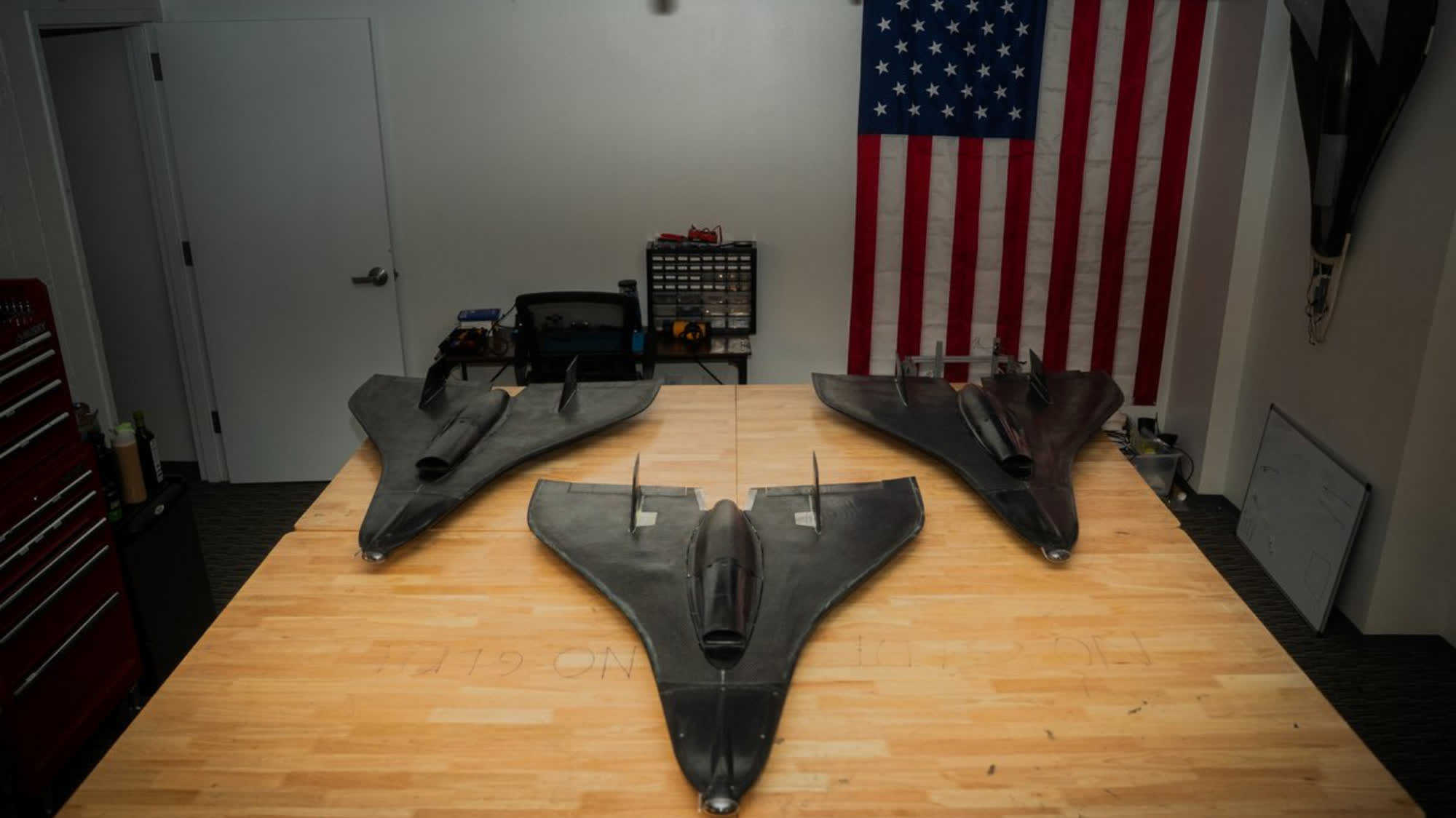
That mission, called LINK, launched in July but was later derailed by attitude control issues .
Source link