Home / Technology / Tech News / Nasa's Swift burns up, highlighting challenges of boosting satellites
Failed attempt to rescue Nasa's Swift observatory highlights the technical and fuel challenges facing the emerging satellite servicing industry
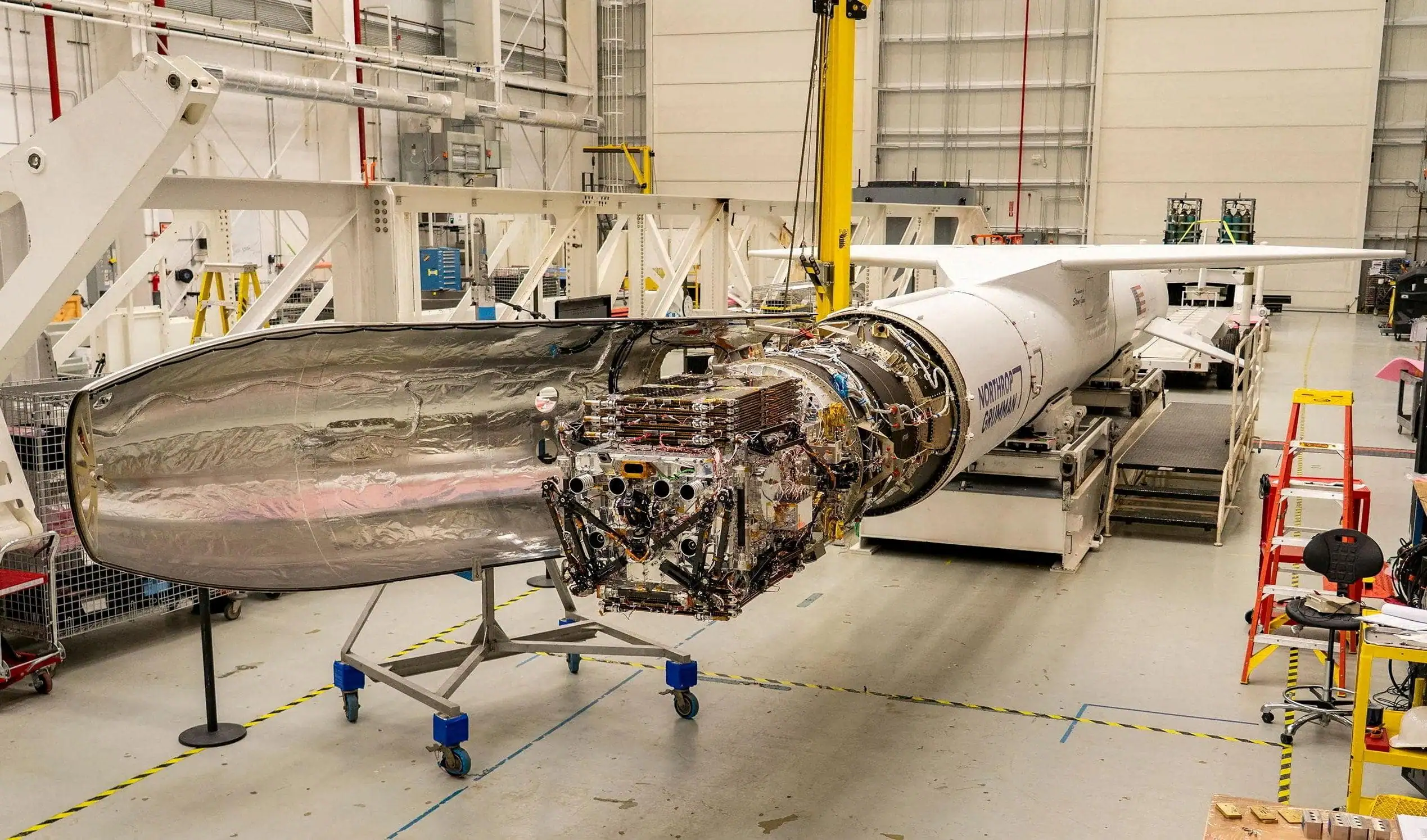
The special rescue spacecraft LINK, which flew on a failed mission designed to extend the life of Nasa’s Neil Gehrels Swift Observatory (FilePhoto : Reuters)
Wanjiku Chebet Kanjumba Gainesville 5 min read Last Updated : Nov 08 2026 | 6:33 PM IST
Nasa’s Neil Gehrels Swift Observatory took its last look at the sky on October 20, 2026, while orbiting about 275 kilometres above Earth.
Nasa ended the telescope’s mission three days later, because Swift had sunk so low that drag from the thin air there meant its telescopes couldn’t hold steady. The telescope reentered the atmosphere on November 4 above the North Sumatra region of Indonesia and largely burned up, an abrupt ending to two decades spent observing powerful cosmic explosions.
Swift’s reentry comes after a failed rescue mission in the summer of 2026. LINK, a commercial robotic spacecraft sent to raise Swift into a safer orbit, reentered Earth's atmosphere in September. The machine designed to save a falling satellite burned up first. As a PhD candidate in aerospace engineering, I know that rescuing satellites is hard. I research how spacecraft approach and capture satellites, including objects that tumble uncontrollably.
Swift’s loss points to a new hazard for the young industry that repairs, refuels and moves spacecraft around in orbit. If something goes wrong, the spacecraft doing the rescuing can become another problem.
Source link