
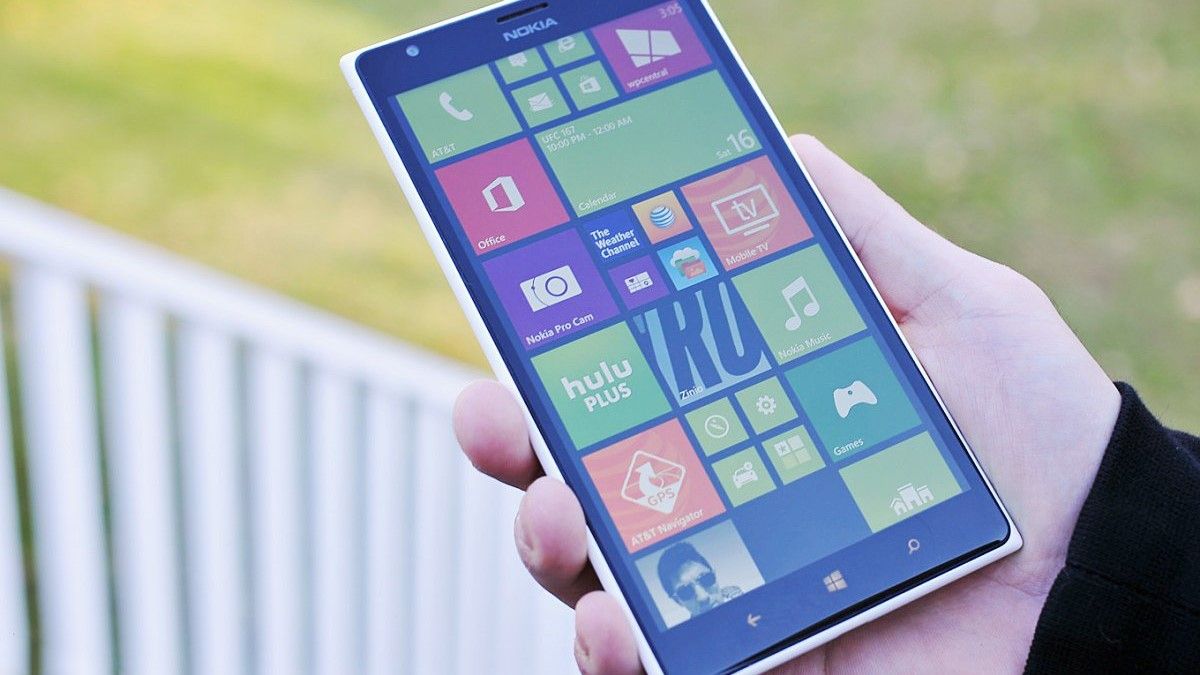
For anyone who lived through the Windows Phone era, Metro (later called Modern UI) was more than Microsoft's latest design language. It was a statement.
Microsoft spent years being accused of following the rest of the technology industry, but with Metro, the company took a very different path. Typography became part of the interface. Content pushed aside ornamental chrome. Motion wasn't simply decoration. Even the edges of the screen became part of the experience, with text and imagery deliberately disappearing beyond them to suggest that there was more waiting for you.
Now, nearly two decades after some of those ideas started taking shape, my longtime acquaintance David Kimball has made what I believe may be the first truly definitive documentary about where Metro came from, the people responsible for it, and how its influence spread across Microsoft.
And after watching the teaser and following this project as David has worked on it over the years, I think it finally gives this fascinating era of Microsoft history something it has never really had: closure.
As noted in the video description, the documentary traces Microsoft's evolving design ambitions from Encarta and Media Center through Zune, Windows Phone, Windows 8, Xbox, and beyond.
The documentary includes conversations with Bill Flora, Thamer Abanami, Joe Belfiore, J Allard, Thomas Markert, Ben Rudolph, Laura Butler, Alfred Astort-Tubert, Bill Buxton, Jez Corden, and Rob Tiffany, among others, and I think that's a huge deal.
Metro's history has often been told backward, through the commercial failure of Windows Phone and the backlash surrounding Windows 8 .
Source link





