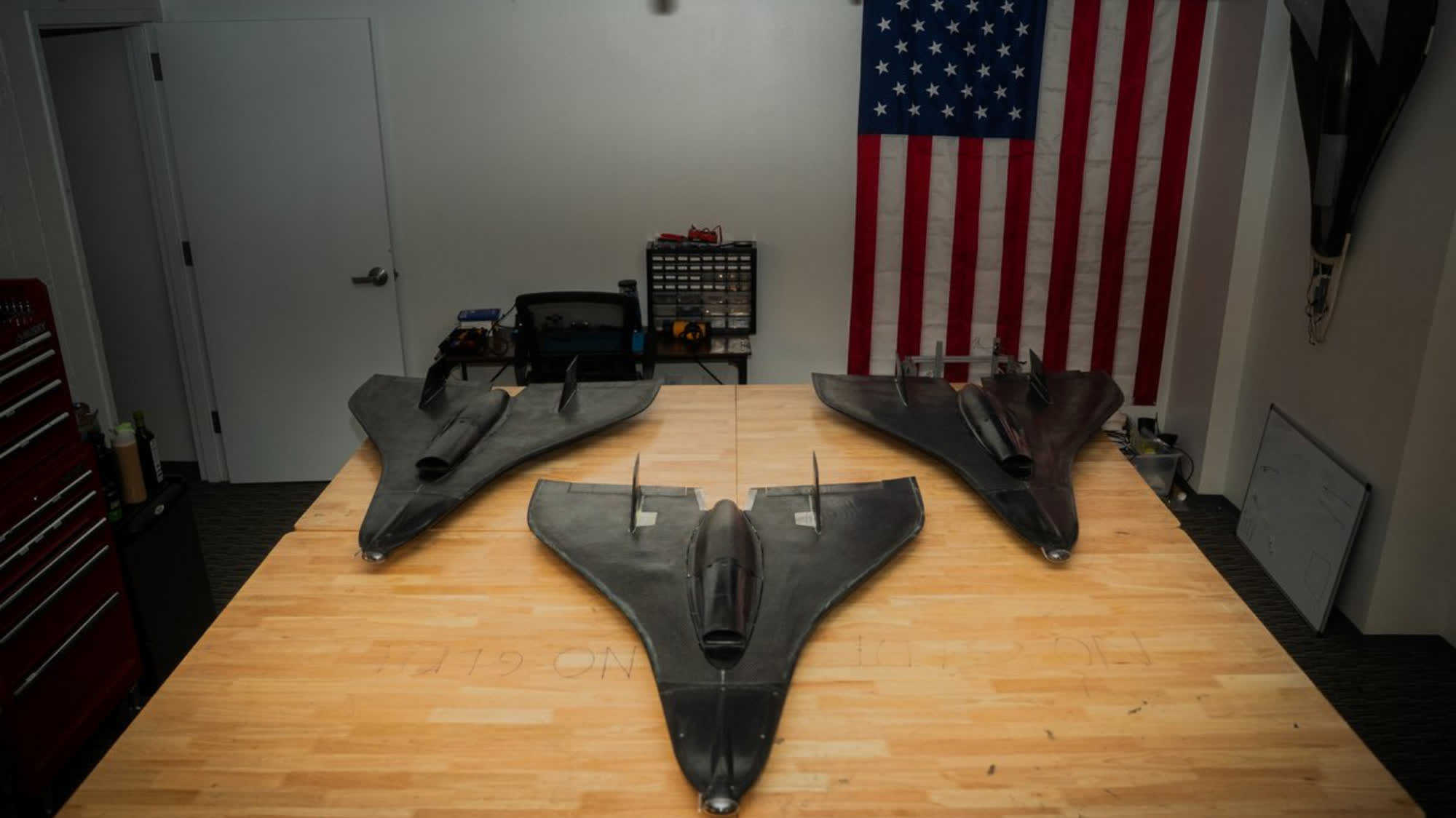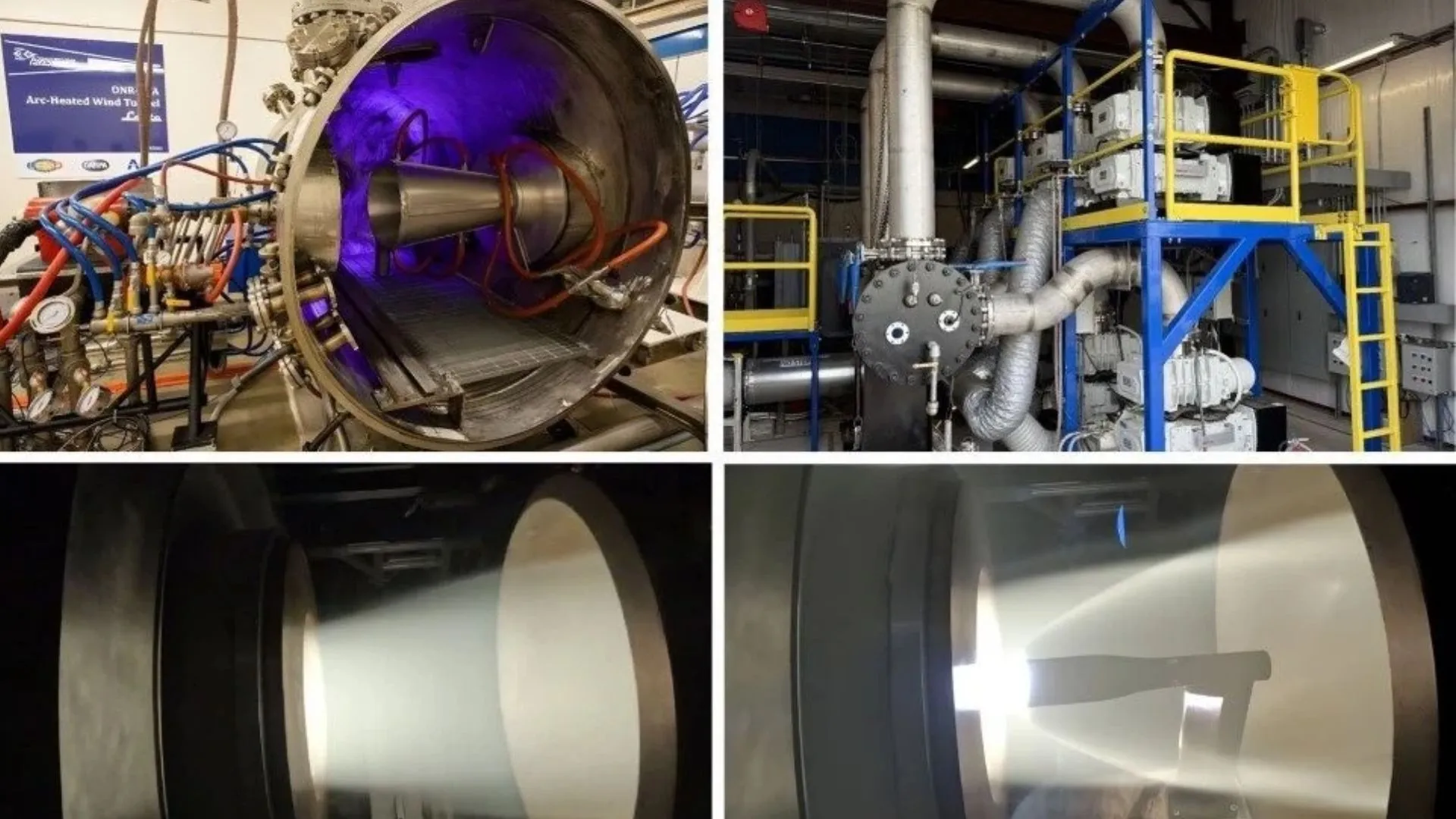
Researchers have developed a new laser-based technique to measure extreme hypersonic airflow (Mach 5 or greater) and plasma flow in shock layers.
Hypersonic re-entry conditions create extremely hot plasma that emits intense light, making standard measurements difficult. In addition, oxygen in high-temperature air weakens nitrogen light signals, and ground facilities often feature higher turbulence than actual flight.
This non-invasive method accurately measures turbulence near a vehicle’s surface. It could help understand heat transfer, improve thermal protection systems, and correct for ground-testing distortions.
Re-entering spacecraft face extreme thermal stress as atmospheric air compresses into a superheated plasma shield that can destroy standard materials.
There has been a long struggle to observe airflow dynamics within this intense heat without physical probes interfering with the measurement. Scientists at The University of Texas at Arlington have now overcome this obstacle by using precise laser technology to measure the plasma flow directly.
Led by Professor Luca Maddalena alongside graduate students Aaron Gieder, Nikkhil Chander, and Alyssa Velky, the group successfully mapped complex plasma flow and turbulence directly inside the shock layer of arc-jet facilities. These facilities are the primary, essential epicenters on Earth where scientists reproduce and study the extreme heat of space re-entry.
The physics of hypersonic entry is simple: smooth airflow is safe, but turbulent airflow is catastrophic. When smooth air breaks into chaotic turbulence, heat loads on a spacecraft can surge by 10 times or more.
Engineers need to size heat shields carefully. If they guess wrong, the vehicle burns up.
Source link