
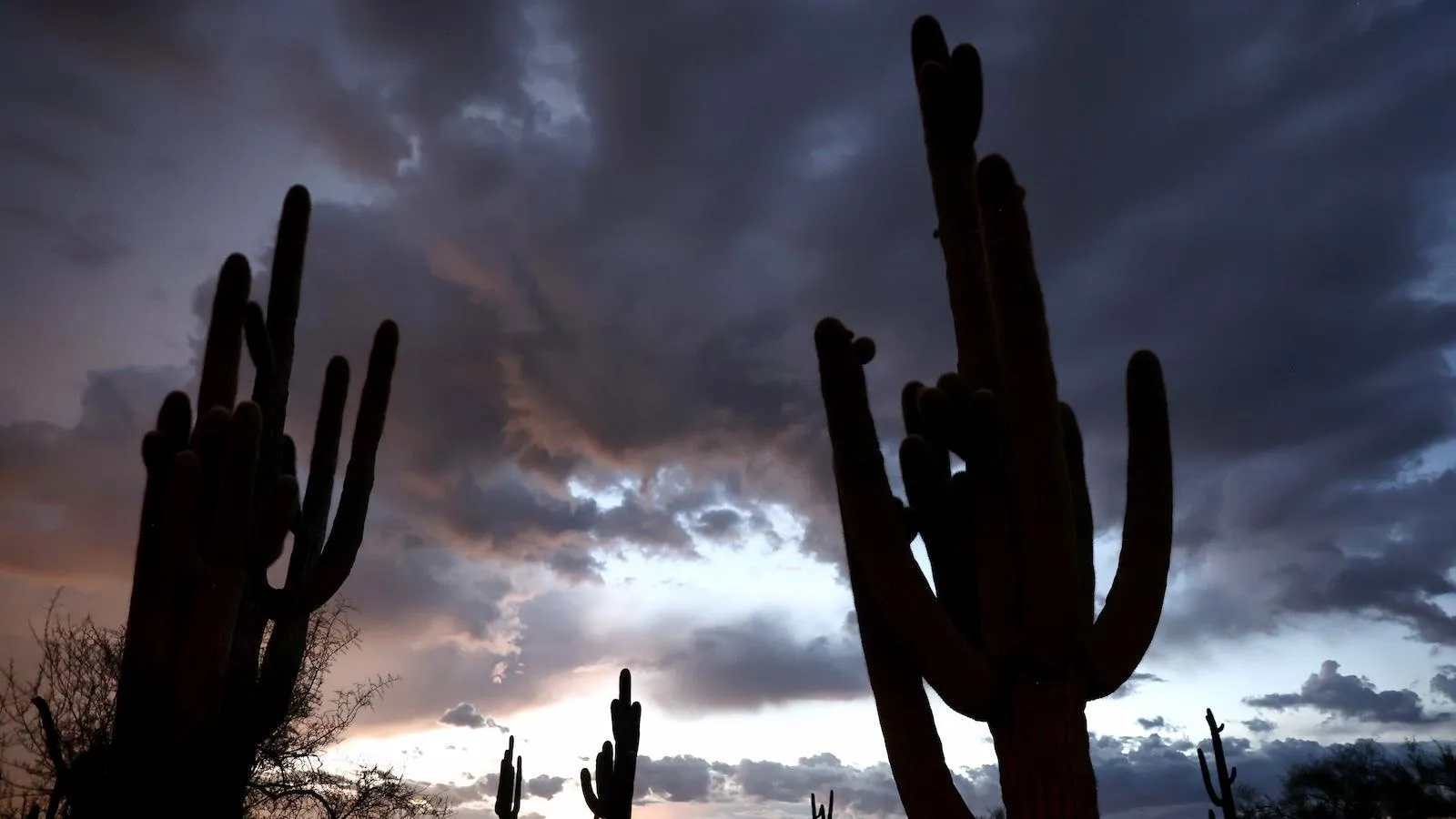
The humble cactus is an icon of resiliency. Stuck in a desert with little rain and abundant searing sun, these plants don’t just survive, they thrive—and in turn provide habitat for owls and other birds, and flowers for bats and other pollinators.
Yet cacti are in serious trouble, due to habitat loss and the poaching of species for private collections. Now we can add worsening droughts to those woes, according to a new study in the journal Nature. Researchers modeled a future of not just relentlessly rising temperatures but also the attendant dry spells, finding that the majority of nearly 1,000 cactus species will lose habitat as the climate radically changes. More than a quarter of those species could lose at least 80 percent of that habitat by 2100.
“The public perception of cacti tends to be of these organisms that are extremely drought-adapted and are just resilient, can handle anything that you throw at them,” said Michiel Pillet, a conservation ecologist at the University of South Florida and lead author of the paper. “In reality, cacti are absolutely amazing—and they’re my favorite plant group, clearly—but they’re not that different from other plants.”
That means cacti need water. In the deserts of the southwestern United States, for example, they rely on seasonal monsoon rains, which tend to make July or August the wettest month in a given year . Because this is still a desert, cacti have evolved a range of adaptations to survive , like a waxy skin that helps them retain that bounty of rainwater.
Source link





