
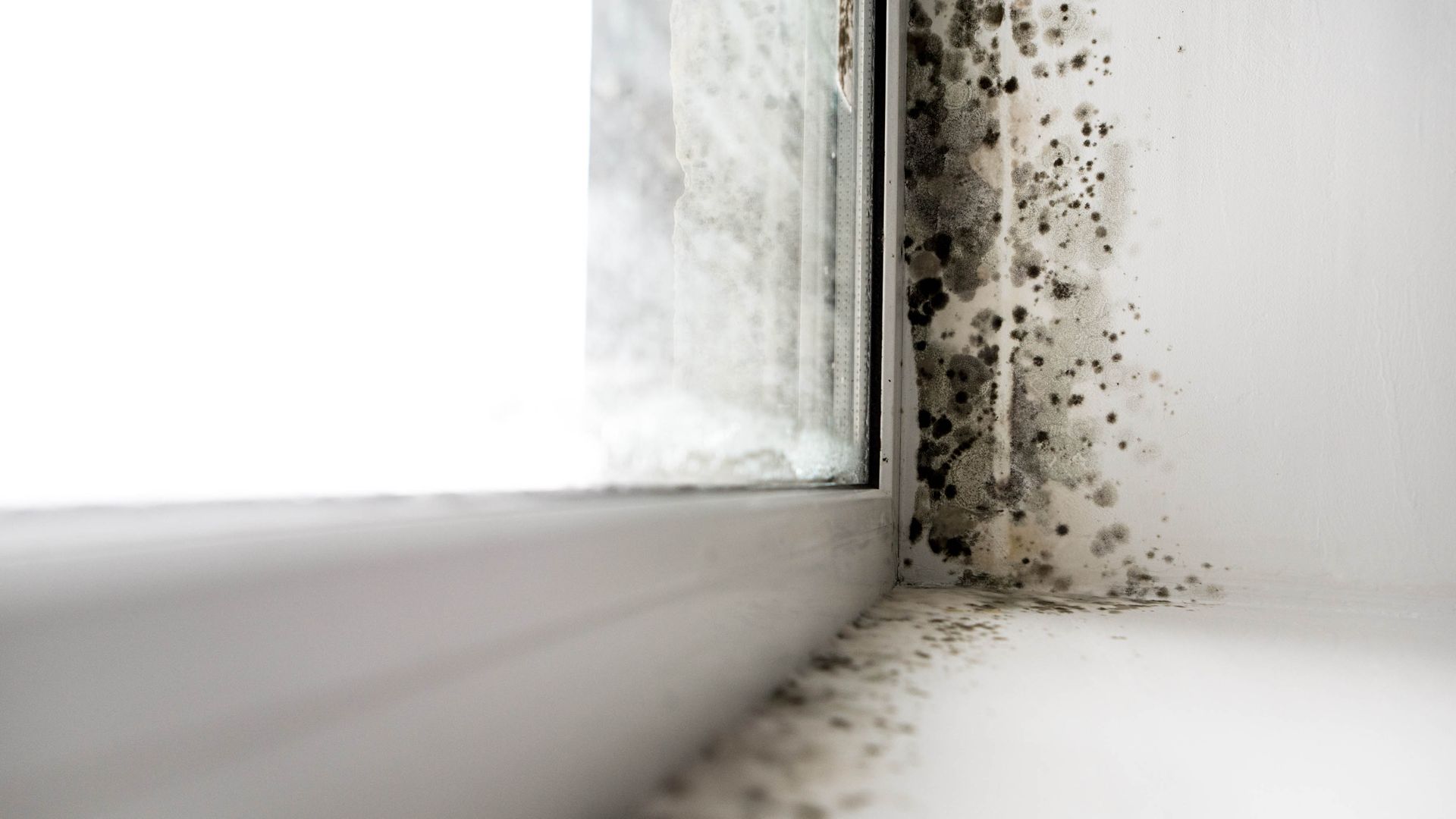
Bathrooms are the ideal breeding ground for mold — with warm water and trapped steam creating the humid, damp environment the invasive spores thrive on.
And once you spot unsightly green or dark patches, removing mold for good can be a challenge, taking a good deal of elbow grease.
Black mold in particular can be a worrying sign, as certain types can lead to potential health concerns, triggering existing allergies or respiratory illnesses over time.
According to experts, fall is a critical time for black mold — it brings cooler, damp weather, making bathrooms more prone to condensation and mold issues. That’s why it’s so important to identify and prevent mold right away.
In addition, while our bathroom tiles themselves are relatively easy to clean, grout and silicone underneath can quickly show signs of black mold when moisture is left sitting on the surface.
I asked an expert about the telltale signs of black mold and how to prevent it from occurring in your bathroom this season.
Essentially, black mold is a type of fungus that grows in damp, humid conditions or anywhere there is condensation. It often grows in dark green or black spots/pacthces and can be commonly found around bathtubs, grout, and around windowsills.
“In bathrooms, it can develop when moist air from showers and baths meets cooler surfaces, and condensation builds up,” states Richard Hill, Tile Expert at Waxman Ceramics . “Grout and silicone can be particularly susceptible because moisture can sit around the edges of the tiles.
Source link





