
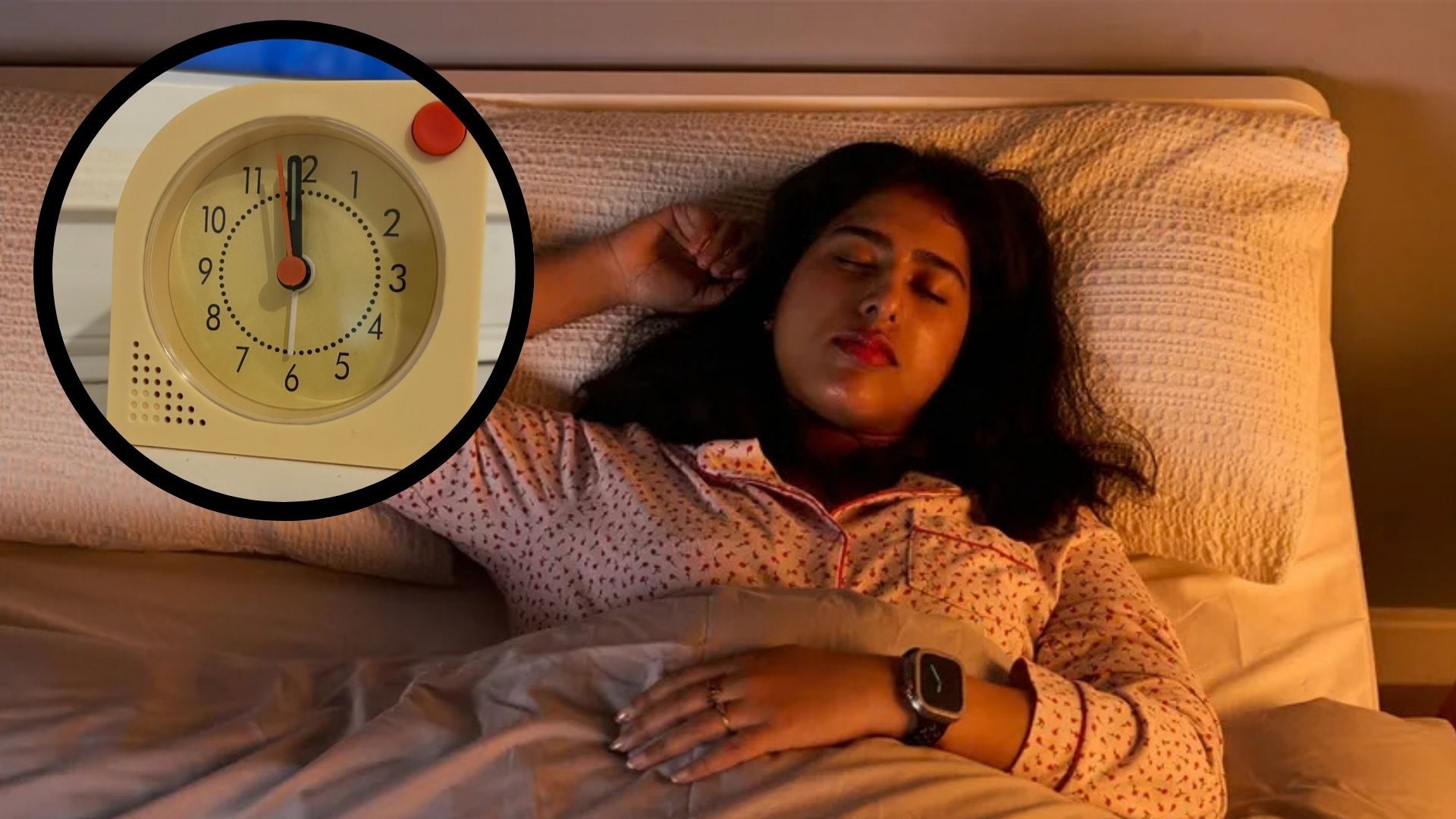
"Every hour of sleep before midnight is worth two hours of sleep after midnight" is one of the most common sleep beliefs. But while staying up late has been linked to poor sleep quality, does an earlier bedtime actually mean your quality of sleep before midnight is better that what comes after 12.01 a.m.?
One of the main pillars of this argument is that sleep before midnight is loaded with Human Growth Hormone (HGH), which regulates metabolism and cell repair in adult.
To either prove or 'bust' this myth, I spoke to two board-certified medical doctors Dr. Saema Tahir, M.D. and Dr. Danielle Wall, M.D. Here's what they said, and why sleep researchers are urging people to focus more on keeping a consistent bedtime instead.
"The quality of sleep we get before midnight is not actually better than the sleep we get afterward, because quality depends on where you are in your own sleep cycle rather than on the clock," says Dr. Tahir, a board-certified physician who treats adults and pediatric sleep disorders.
Your body doesn’t have a clock that makes sleep less beneficial once the clock strikes 12
"It's a common misconception," agrees Dr. Wall, an Internal Medicine Physician and Sleep Medicine Specialist at the University of Vermont Health Network. "Your body doesn’t have a clock that suddenly makes sleep less beneficial once the clock strikes 12".
However, as with most sleep myths , there is a small element of truth behind this misconception. And it all boils down to sleep architecture – the way your sleep is naturally structured.
Source link





