
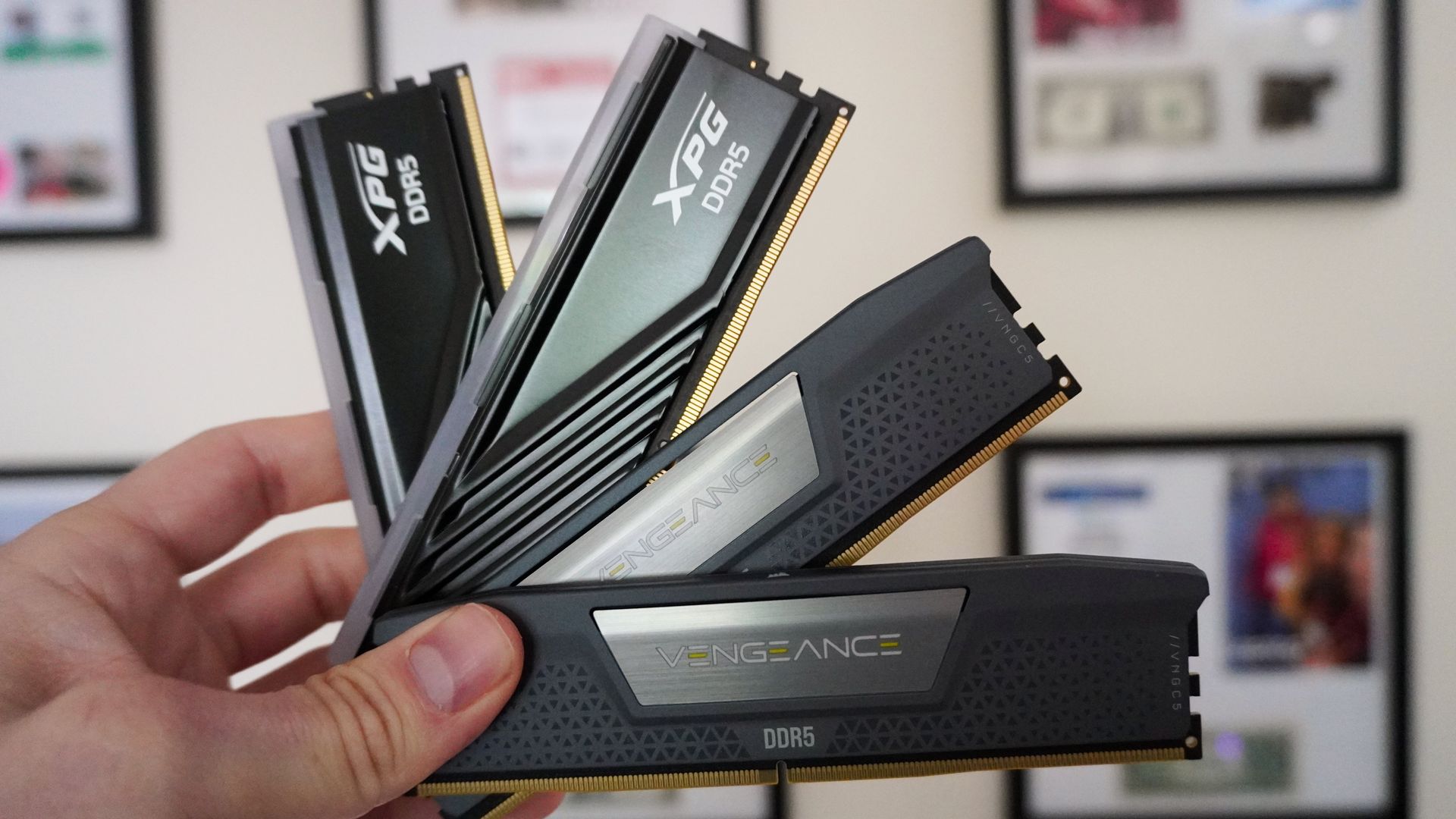
For the last year, PC builders have been force-fed a very specific narrative about why buying a computer required a second mortgage. We were told that the AI data center boom was sucking up all the memory — resulting in 500% price surges.
And when news of a class action lawsuit against Samsung, SK Hynix and Micron broke in June, I was jubilant but fully expecting it to go nowhere, as this AI build-out was a good cover and the case hung on a “well, they’ve done it before” kind of prosecution.
But after a motion to dismiss got denied by the judge, who compared their synchronized supply starvation to “hawks flying in formation,” and the devastating new leaks about alleged GPU and memory shortage engineering, it’s becoming clear that something stinks.
This whole “RAMageddon” crisis is starting to feel like a deliberate squeeze rather than natural market evolution, and the fact that this entire artificial house of cards is currently collapsing under federal scrutiny is my definition of hopecore.
The big three memory makers — Samsung, SK Hynix and Micron — have been fighting this massive antitrust lawsuit alleging they formed an illegal oligopoly to artificially inflate DRAM prices.
Their defense was entirely predictable: they filed a motion to dismiss, claiming that their identical supply cuts were just the natural, independent reactions of companies surviving in a changing market.
Judge Wise (which is a very apt last name) explicitly states that the plaintiff’s evidence is highly plausible following a staggering 500% price surge.
Source link





