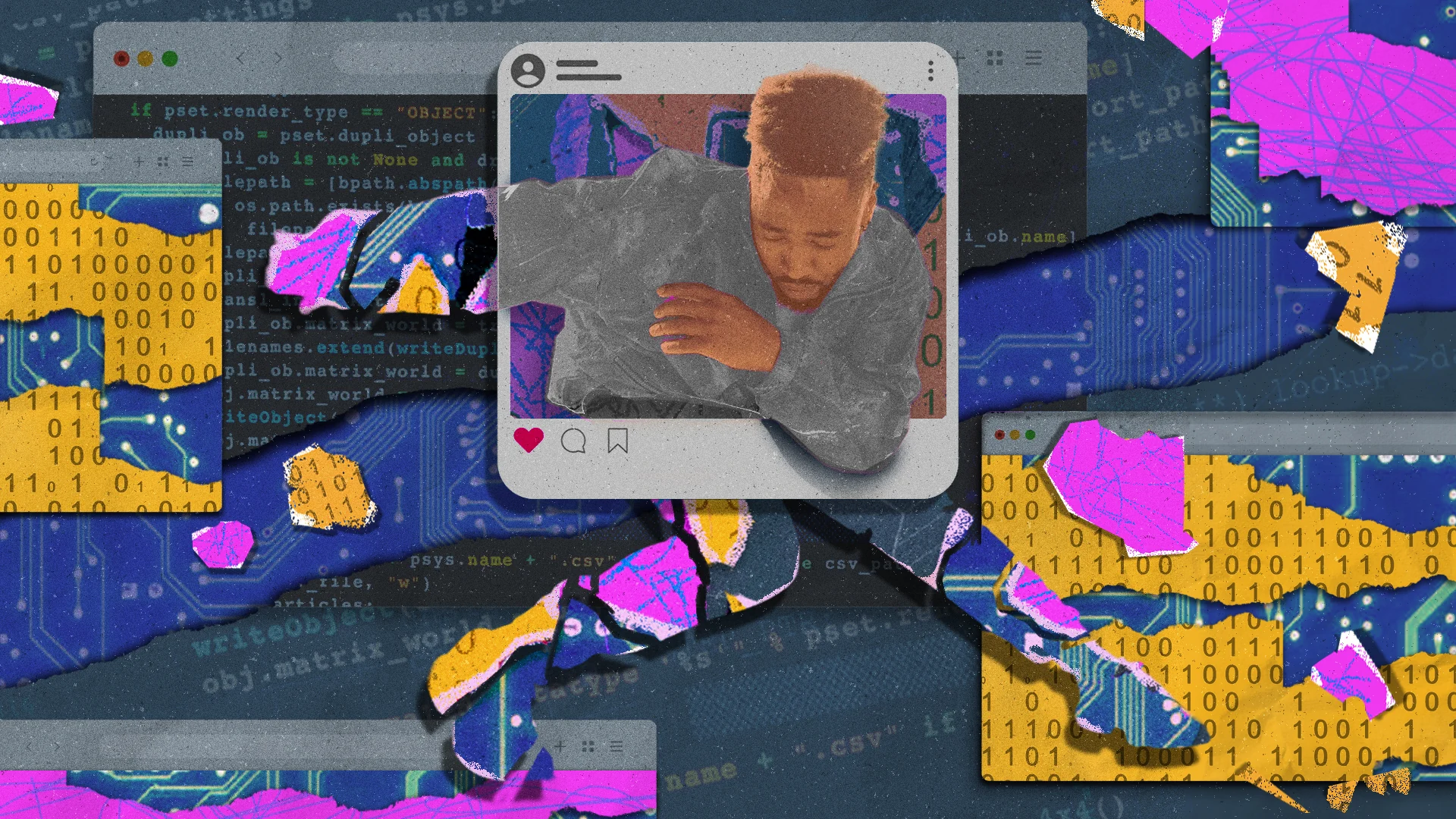
It's not, of course. I am a real reporter. These are real sources. You can trust me.
According to a recent study from Pew Research, around one-third of recent web content is AI-generated. Around 10 percent of ".com" sites now have AI's fingerprints on them. Fake news sources peddling misinformation or propaganda (commonly referred to as "pink slime") have long outnumbered real news publishers — and are continuing to multiply with the help of AI.
Even legit websites and social platforms can steer you toward misinformation, scams, and other online dangers. A platform built to keep you hooked to an endless feed, fed by engagement and seeking to capture your attention, is a recipe for bots, phishing, and disinformation campaigns. Social media "experts" — sometimes entirely AI-generated people, other times real humans with ulterior motives — are building followings in the millions. In this increasingly confusing environment, here's how to get to the truth.
"High quality misinformation and deception were largely the domain of nation-states and well resourced groups," explained Donnie Hasseltine, chief information security officer at Arkstone Defense. Now, anyone can fake a site, build a bot, or amplify a misleading claim in an instant.
In addition to a decline in platform moderation, access to increasingly sophisticated AI models, mainly through open source markets, has completely changed how information is published, explained Zohaib Ahmed, CEO of deepfake detector Resemble.AI.
Likened to the "Wild West" by Ahmed, bad actors now have access to a host of AI models and tools without built-in safeguards to prove or disprove authenticity.
Source link