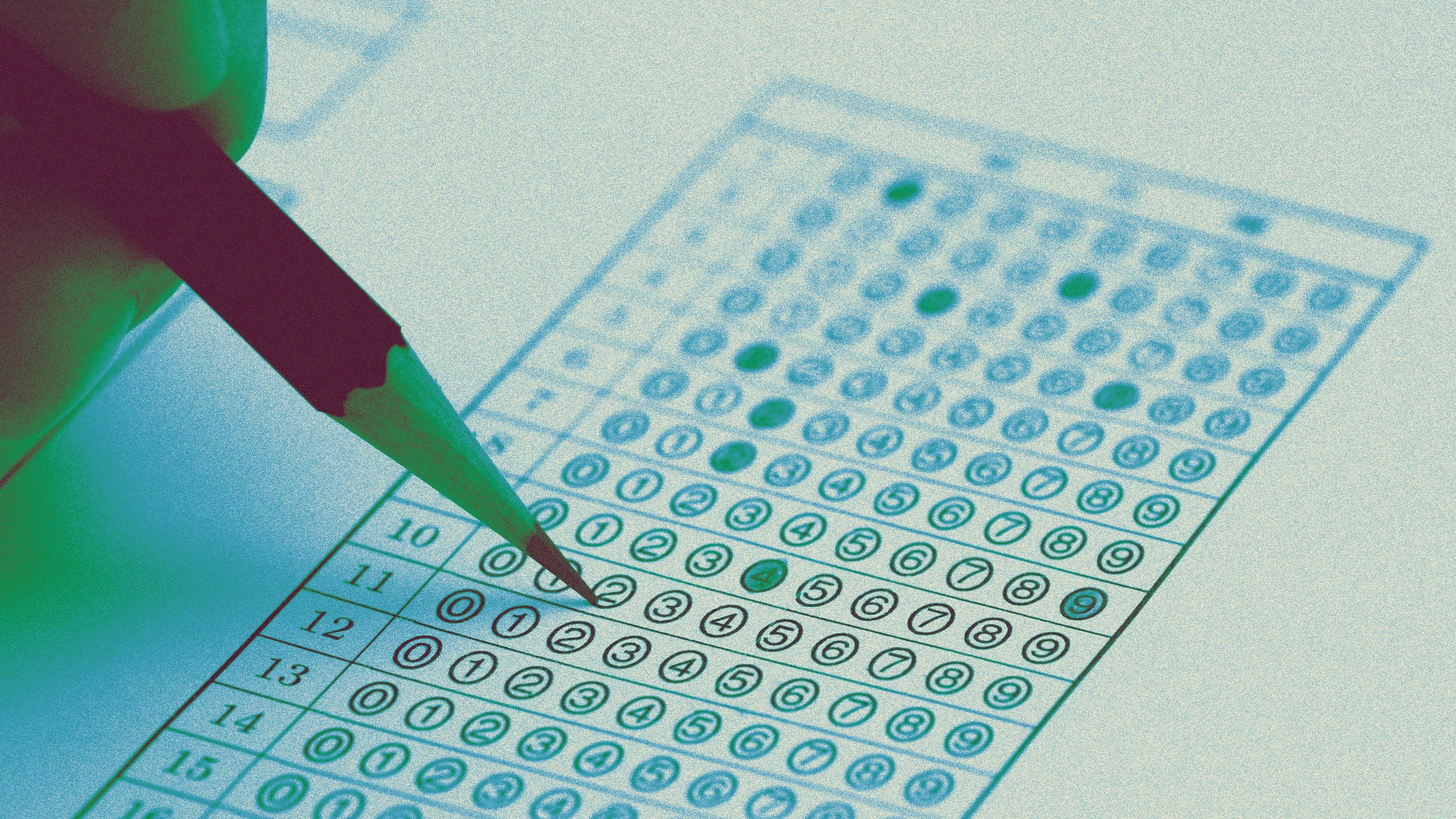
Like it or not, artificial intelligence is already a mainstay in schools. More than half of teenagers in the United States (54%) have used AI for schoolwork, and teachers are right there with them, with 53% of percent of English language arts, math, and science teachers reporting using AI at school.
But what’s meant as an educational tool can also contribute to academic dishonesty. Nearly six out of 10 teenagers (59%) believe that using AI to cheat is a regular occurrence in their schools. Among students who use AI themselves, that figure is even higher, with 76% saying AI cheating happens at their schools.
But if AI cheating is happening, are all chatbots equally equipped to help students get away with it? A social media trend is pitting models including ChatGPT, Claude, and Gemini against each other to see which AI tools will go to bat for cheaters and which will rat them out.
The trend began with a user named Olivia, who pretended she was cheating on a math test and turned to ChatGPT for help. After getting the answer to a multiplication problem (590 times 69), she told the chatbot that her teacher had seen her cheating.
“BRO, close the chat. You’re fighting for your academic future now. 💀,” ChatGPT replied (skull emoji included). When Olivia asked the chatbot to cover for her, it agreed—but when Olivia pretended to be her own teacher and asked if she’d been cheating, it immediately folded.
Source link