

Elon Musk’s Starlink could bring satellite internet to remote parts of India, but its entry raises questions about market competition, foreign control of communications infrastructure and national security.
Starlink has received a satellite communications licence in India, but security compliance and spectrum-related requirements remain before it can begin commercial services.
Operated by SpaceX, Starlink has a substantial head start, with more than 11,000 satellites in low Earth orbit as of October 6. Its global network, launch capabilities and financial resources could make it difficult for newer competitors to match its scale.
Communications Minister Jyotiraditya Scindia said on October 9 that India does not permit monopolies in any sector.
“Let me be very clear. India does not allow a monopoly in any sector,” Scindia said, adding that Amazon was another prospective entrant that would have to follow the prescribed process.
Other operators include Jio Satellite Communications and Bharti-backed Eutelsat OneWeb. Jio also has a satellite transmission-services joint venture with Luxembourg-based SES. Their capabilities and business models, however, differ from Starlink’s direct-to-consumer offering.
Starlink’s network is operated by SpaceX, a US-based company. This raises questions about how India can ensure continuity of access if a foreign provider restricts, suspends or changes its services.
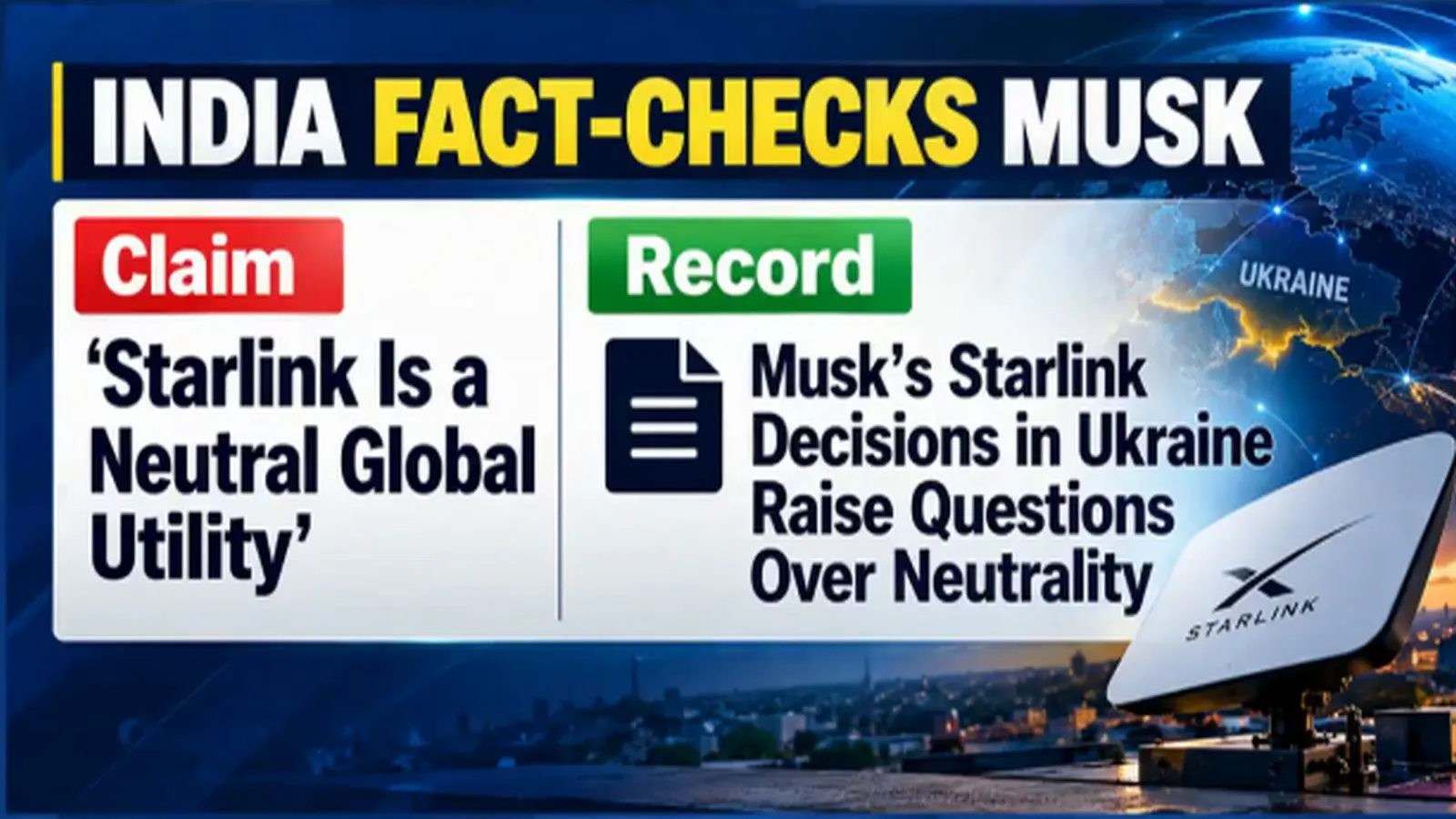
Starlink has positioned itself as a global satellite internet provider, but its role in the Russia-Ukraine war has raised questions about how neutral a privately controlled communications network can be.
In 2022, Elon Musk declined a Ukrainian request to activate Starlink coverage around Sevastopol in Crimea to support an attack on Russia’s Black Sea Fleet, citing concerns about escalating the war.
Source link





