It’s no surprise that AI is fueling concerns about widespread election interference, which have plagued the U.S. since at least 2016, when now-President Donald Trump first began to complain about rigged results.
Models produced by artificial intelligence providers have already been caught accessing government systems. In September, OpenAI said its models engaged with websites run by the U.S. Census Bureau and the Securities and Exchange Commission. In the weeks before the election, Claude accessed publicly available voter information. And then there there are the general AI concerns. Late last week, we learned that hackers had been caught using a “malicious” version of Claude Code to secretly introduce vulnerabilities into programs being developed with the AI agent Cursor.
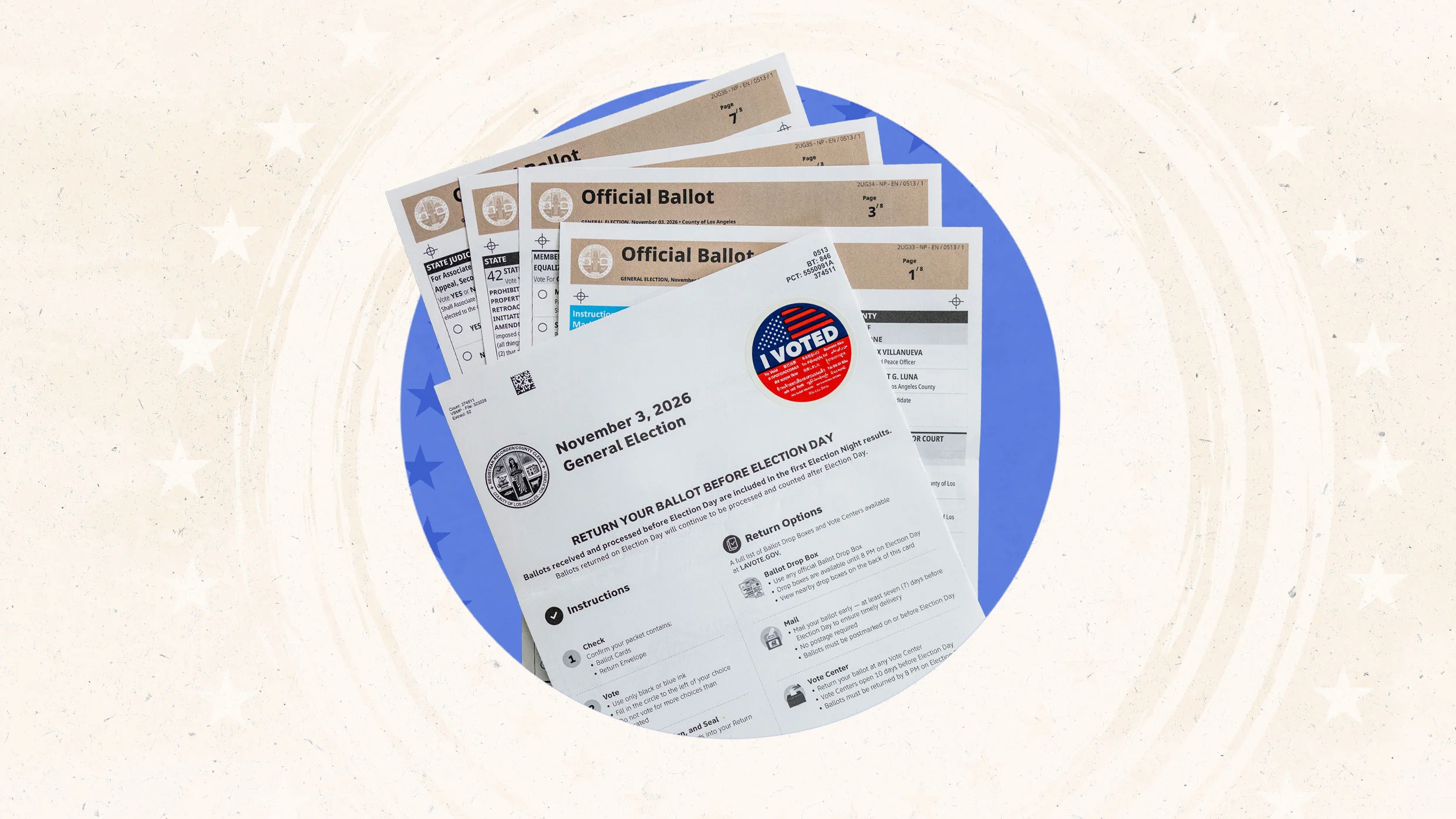
There’s no evidence that AI agents have directly interfered with any election results. Still, the concerns are a reminder that—for all the faults of analog technology—paper-based ballots come with significant advantages. While counties across the country may process ballots using different machines, elections in the U.S. generally employ paper records. Even if machines are counting our ballots, there’s still the option to verify the results by hand at a later time. While some counties experiment with touchscreen-based voting, even those systems tend to print a paper record. In the age of AI, this form of corroboration is more important than ever.
Paper ballots, of course, come with problems of their own. It’s easy for people to mess them up, perhaps by filling in bubbles incorrectly or voting for multiple candidates in the same race.
Source link