
Home / Technology / Tech News / IMC 2026: Why Qubo sees India's smart home future in AI devices, not hubs
IMC 2026: Why Qubo sees India's smart home future in AI devices, not hubs
As Apple and Samsung push centralised smart home systems, India's Qubo is betting on AI-powered devices, local processing and country-specific use cases to drive adoption in a price-sensitive market
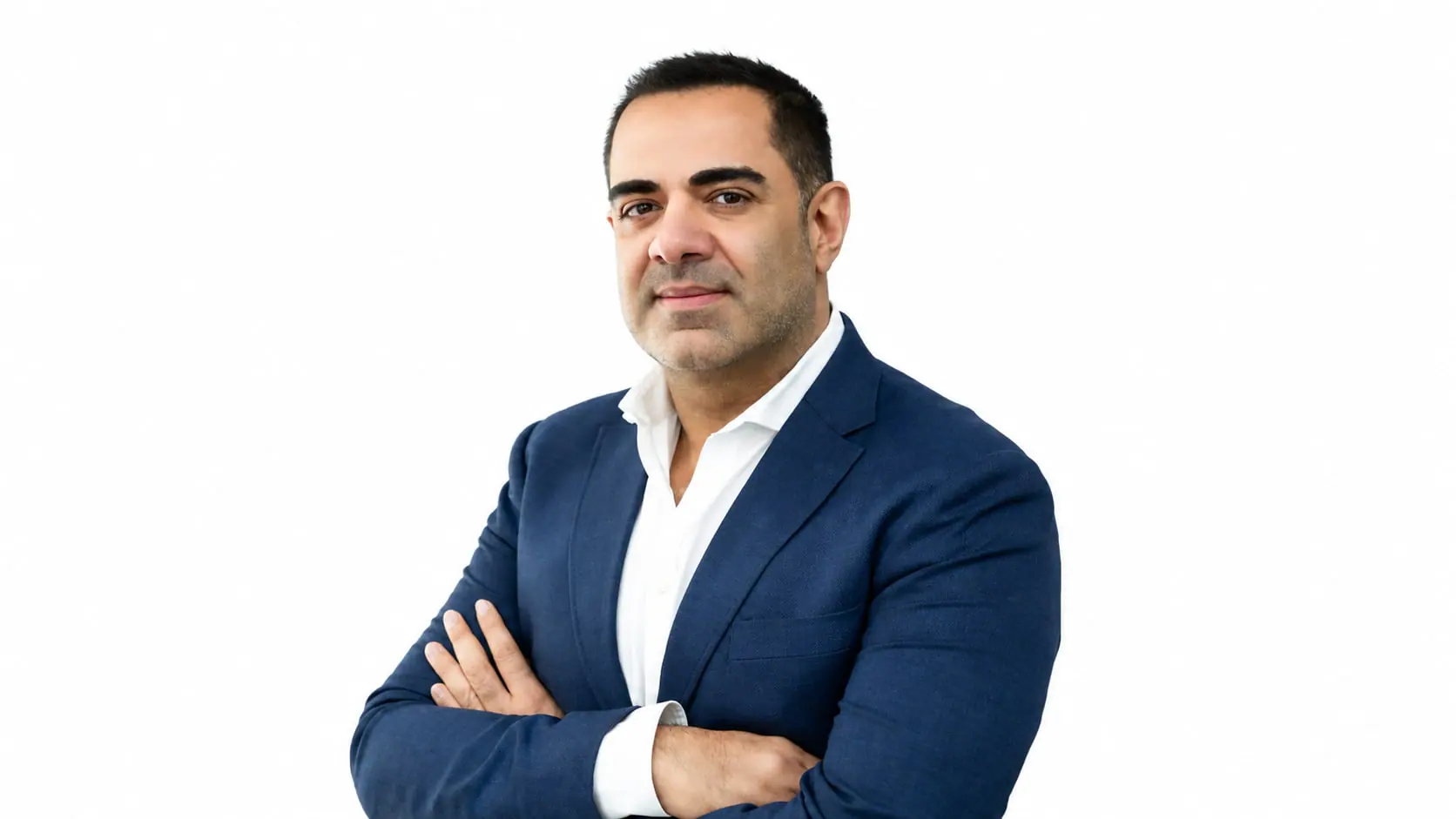
Rajpal, founder and CEO of Qubo, says India's smart-home market needs localised solutions rather than Western hub-led models
Harsh Shivam New Delhi 10 min read Last Updated : Oct 09 2026 | 1:50 PM IST
The global smart home market is moving towards a more centralised model. Apple is reportedly preparing a wider push into connected homes with a new home hub, while Samsung is adding more local control to SmartThings and companies such as UGREEN and Anker are introducing hubs that combine local storage, AI processing and smart home controls.
The premise behind the shift is straightforward. As homes accumulate cameras, locks, sensors, lights, appliances and other connected devices, a central device can bring them together, process data locally and manage automation without sending every command through the cloud.
But India may not necessarily follow that path. Indian device maker Qubo argues that the country's smart home market may take a different route, with intelligence built into individual products and connectivity designed around local use cases.
For Nikhil Rajpal, founder and chief executive officer (CEO) of Qubo, an Indian consumer device brand that also makes smart home products, the Indian smart home market needs to be built around the country's infrastructure, price points and consumer behaviour rather than by adapting products designed for Western markets.
Source link





